My Journey into Creative Lighting: How RGB Tube & Softbox Lights Transformed My Content
When I first started my journey as a content creator, I quickly realized that lighting was the secret ingredient to making my videos and photos truly stand out. I remember the days I struggled with natural light limitations and harsh shadows—until I discovered the magic of RGB tube and softbox lighting. In 2024, these tools have become essential for creators like us, offering endless creative possibilities and professional-quality results.
What Makes RGB Tube & Softbox Lights a Game-Changer for Creators?
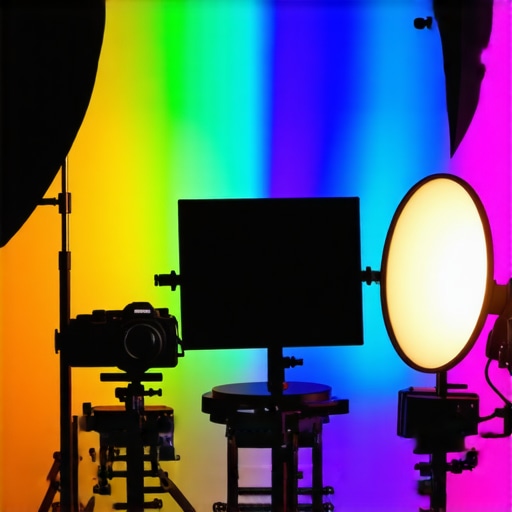
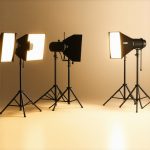
As someone who loves experimenting with different lighting styles, I found that RGB tube lights bring vibrant, customizable colors that can set any mood or theme effortlessly. Paired with softboxes, which diffuse light for a soft, flattering glow, I could finally achieve the cinematic look I envisioned. The versatility of RGB tube lights allows for dynamic effects—think color gradients and animated lighting—perfect for evening shoots or creative projects. Meanwhile, softboxes give me that consistent, soft light that reduces harsh shadows, making my subjects look natural and polished.
How Do I Incorporate These Lights into My Setup?
Setting up RGB tube and softbox lighting was surprisingly straightforward. I started by positioning my RGB tubes to create interesting backdrops or accent lighting, then added softboxes as key lights to illuminate my face evenly. I also learned to control these lights through intuitive apps, allowing me to change colors and brightness on the fly. For example, during a recent evening shoot, I used RGB tubes to add a vibrant purple hue behind me, while my softbox kept my face well-lit without any glare. This combination elevated my production quality and kept my audience engaged.
What Are Some Creative Effects I Can Achieve?
One of the most exciting aspects of RGB tube and softbox lighting is the creative freedom they offer. I’ve experimented with color effects that match my brand aesthetic, such as warm sunset tones or cool, futuristic blues. Using RGB tubes, I’ve created dynamic lighting effects for music videos and product shots, inspired by techniques shared in the RGB tube light effects guide. Softboxes help me achieve seamless, professional portraits, especially in portrait photography or interviews, where soft, even lighting is crucial. Combining both has truly elevated my content, making each project more engaging and visually stunning.
Why Should I Invest in RGB Tube & Softbox Lighting Now?
In my experience, investing in quality lighting pays off by saving time and enhancing your creativity. As the lighting industry evolves, newer models offer even better control, durability, and color accuracy—something I learned from authoritative sources like top LED panel and RGB tube lights reviews. Whether you’re shooting videos, streaming, or photographing, these lights can adapt to any scenario. Plus, they’re becoming more affordable, making professional-quality lighting accessible for creators at all levels.
If you’re curious about how to optimize your setup, I recommend exploring resources like the ultimate guide to softbox and RGB tube lights. Feel free to share your experiences or ask questions—I love hearing how fellow creators are transforming their content with innovative lighting techniques!
How Can Fine-Tuning Your Lighting Settings Elevate Your Creative Projects?
Achieving professional-quality lighting isn’t just about choosing the right equipment; it’s about mastering the art of fine-tuning your settings to suit each unique scenario. For instance, adjusting the color temperature of your RGB tube lights can dramatically change the mood of a scene, whether you aim for a warm, inviting atmosphere or a cool, futuristic vibe. Similarly, tweaking the diffusion level of your softbox can control the softness of shadows, enhancing or softening features as needed. Experienced creators often use dedicated lighting control apps—like those compatible with RGB tubes—to make rapid adjustments, ensuring seamless transitions during shoots. This level of control allows for dynamic storytelling and more polished visuals, especially when paired with practical effects such as color gradients or animated lighting sequences. For deeper insights into optimizing your lighting setup, explore detailed guides like the ultimate guide to RGB tube and LED panel lights.
What Are the Practical Challenges of Integrating Multiple Light Sources in Complex Setups?
While combining RGB tube and softbox lights unlocks incredible creative potential, it also presents practical challenges that require expert navigation. For example, balancing the intensity and color consistency across multiple lights can be tricky, especially when aiming for a cohesive look. Variations in color rendering index (CRI) among different lights can cause discrepancies in skin tones or object colors, which can undermine the professionalism of your content. Managing power sources and cable organization also becomes critical as setups grow more elaborate, demanding meticulous planning to prevent clutter and ensure safety. Additionally, synchronization issues between lights—if not properly calibrated—may result in flickering or color mismatches during high-motion scenes. To mitigate these issues, I recommend investing in high-quality, compatible lighting brands, and utilizing external controllers or software solutions. For example, mastering softbox lighting techniques can significantly improve portrait quality, as detailed in best softbox key light practices. Understanding these complexities helps you craft more resilient and visually stunning lighting arrangements.
How Can I Innovate with Creative Lighting Effects While Maintaining Consistency?
Innovation in lighting often involves pushing boundaries without sacrificing visual consistency. One effective approach is to develop a lighting storyboard that maps out color schemes, intensities, and movement patterns, ensuring your creative ideas align with your technical setup. For instance, dynamic color transitions using RGB tube lights can be synchronized with musical beats or narrative beats, creating a compelling audiovisual experience. Incorporating programmable light controllers allows for precise, repeatable effects, which is invaluable for branding or multi-shot projects. Additionally, layering different light sources—such as combining RGB tubes for background effects with softboxes for key lighting—can produce multidimensional scenes that captivate viewers. Practical tips like adjusting the diffusion of your softbox to match the softness of the RGB light effects help maintain harmony. For more inspiration, explore techniques shared in resources like effective RGB tube and softbox lighting strategies. Remember, the key to innovation is experimentation paired with meticulous calibration, ensuring your creative vision is both bold and polished.
Embracing the Art of Dynamic Lighting: My Personal Journey to Mastery
Over the years, I’ve come to realize that lighting isn’t just about visibility—it’s about storytelling. Experimenting with RGB tube and softbox lights has transformed not only my visuals but also my creative process. I vividly remember a shoot where subtle adjustments in RGB tube color gradients completely changed the mood of the scene, revealing the profound impact lighting has on emotional tone. This journey has been about embracing complexity, learning to read my scene’s nuances, and understanding that mastering light can elevate my storytelling to new heights.
Beyond Basics: Navigating the Nuances of Advanced Lighting Control
One of the most rewarding yet challenging aspects has been mastering the subtle art of control. For example, fine-tuning the color temperature and saturation of RGB tubes through dedicated apps allows me to craft atmospheres that resonate deeply. I’ve also learned that softboxes aren’t just diffusers but tools to sculpt softness—balancing diffusion levels to match the vibrancy of RGB effects creates harmony in scenes. These nuanced adjustments demand patience and a keen eye, but they ultimately enable me to produce visuals that feel both polished and authentic. To deepen your understanding, I recommend exploring detailed guides like the ultimate guide to RGB tube and LED panel lights.
How Do I Balance Multiple Light Sources for Cohesion and Creativity?
Balancing RGB tubes with softboxes in complex setups is akin to conducting an orchestra—each element must harmonize without overpowering the others. I’ve faced challenges like maintaining consistent color rendering across different lights, which can be tricky especially when shooting skin tones or delicate textures. Using high-CRI lights and external controllers helps mitigate these issues; I also spend time calibrating each source to ensure color consistency. Layering lights creatively, such as placing RGB tubes behind a subject for a vibrant background while softboxes provide gentle front illumination, creates a multidimensional scene that captivates viewers. For practical tips, check out best softbox key light practices for more insights.
What Are the Artistic Risks and Rewards of Pushing Creative Boundaries?
Innovation always involves a degree of risk—what if a color scheme feels too bold, or a lighting transition becomes distracting? In my experience, the key is to develop a visual storyboard that aligns creative ideas with technical feasibility. For instance, synchronized color shifts using programmable RGB tubes can match musical cues or narrative beats, creating immersive experiences. The challenge lies in maintaining consistency—repetition and calibration are essential to ensure effects are seamless across multiple takes. Layering different lighting types allows me to tell more complex stories; softboxes soften features, while RGB tubes inject vibrancy. Exploring techniques like those in effective RGB tube and softbox lighting strategies inspires me to experiment confidently.
How Can Continuous Learning and Community Sharing Accelerate Your Lighting Skills?
Lighting mastery is an ongoing journey. Engaging with fellow creators, participating in online forums, and sharing my setups have been invaluable. I often post behind-the-scenes shots and seek feedback, which helps me refine my techniques. Additionally, staying updated with industry trends—like advancements in LED technology and control apps—ensures I leverage the latest tools for my projects. I encourage you to reach out through platforms like our contact page to exchange experiences or ask questions. Remember, every experiment, whether successful or not, teaches you something new, pushing your creative boundaries further.
What Future Innovations in Lighting Might Revolutionize Your Content?
Looking ahead, I believe that integrating AI-driven lighting controls and smarter synchronization between multiple sources will open new creative horizons. Imagine lights that adapt in real-time to your scene’s mood or automatically calibrate for color accuracy—these innovations could streamline workflows and enhance precision. As the industry evolves, staying curious and adaptable will be crucial. I plan to keep exploring emerging tools and techniques, always seeking ways to incorporate cutting-edge technology into my creative toolkit. For more insights into future trends, keep an eye on latest LED panel innovations. Ultimately, the goal is to blend artistic vision with technological advancements, shaping a new era of visual storytelling.
Refining the Art of Color Harmony: How to Achieve Seamless Transitions Between Scenes
One of the most sophisticated skills I’ve developed is mastering color transitions that maintain visual harmony without jarring the viewer. When working with RGB tube lights, I often utilize programmable controllers to orchestrate smooth shifts from warm amber tones to cool blues, aligning with narrative beats or musical cues. This technique, detailed in effective RGB tube and softbox lighting strategies, allows for storytelling that feels both intentional and emotionally resonant. The challenge lies in calibrating each light’s hue and saturation to ensure the transition appears fluid and natural, avoiding abrupt color jumps that can disrupt immersion. Achieving this level of control elevates the production quality, transforming mundane scenes into cinematic experiences, especially when layered with soft, diffused lighting to preserve subject clarity amidst vibrant backgrounds.
Integrating AI-Driven Lighting for Dynamic Scene Adaptation
The future of lighting, in my view, hinges on integrating AI-powered controls that adapt in real-time, enhancing creativity while reducing technical complexity. Imagine lights that analyze your scene’s mood and automatically adjust their intensity, hue, and saturation accordingly—this would open unprecedented avenues for spontaneous storytelling. Current innovations, such as intelligent apps compatible with RGB tube lights, are paving the way, as discussed in industry insights like latest LED panel innovations. Experimenting with these tools requires a nuanced understanding of scene dynamics, but the payoff is a seamless blend of artistic vision and technological precision. I encourage fellow creators to explore these emerging capabilities, pushing beyond traditional manual controls to harness the full potential of smart lighting ecosystems.
What Are the Key Considerations When Calibrating Multiple Light Sources for Maximum Cohesion?
Balancing multiple RGB tube and softbox lights to create a cohesive visual narrative demands meticulous calibration. Variations in color rendering index (CRI) and brightness levels can introduce inconsistencies that undermine professionalism. To counter this, I prioritize using high-CRI lights and external calibration tools, ensuring all sources align in hue and luminance. Additionally, I spend time fine-tuning diffusion levels and positioning to achieve harmonious shadows and highlights. For instance, when shooting a product scene, I layer RGB background lighting behind the subject with softboxes illuminating the foreground, carefully matching their color temperatures for seamless integration. This layered approach, inspired by best softbox key light practices, creates multidimensional depth that captivates viewers and enhances storytelling coherence.
How Can Experimentation with Layered Lighting Elevate Your Visual Aesthetic?
Layering different lighting styles—combining RGB tube effects with soft, diffused front lighting—offers a rich canvas for artistic experimentation. I often develop detailed lighting storyboards to map out color schemes, movement patterns, and intensity variations, ensuring each element complements the overall aesthetic. For example, during a recent conceptual shoot, I synchronized pulsating RGB background lights with softbox-lit subjects to evoke a sense of vitality and intimacy simultaneously. This approach, which I refined through continuous practice and referencing techniques in the ultimate guide to softbox and RGB tube lights, allows for dynamic storytelling that engages viewers on multiple sensory levels. The key is to balance vibrancy with subtlety, ensuring the scene remains visually cohesive while pushing creative boundaries.
How Do You Cultivate a Personal Style Using Advanced Lighting Techniques?
Developing a distinctive visual signature hinges on mastering the nuances of lighting control—color choices, diffusion, and movement. Over time, I have curated a palette of signature effects, like specific color gradients or animated sequences, that become hallmarks of my content. This process involves relentless experimentation, analyzing what resonates emotionally with my audience, and refining my setups accordingly. For example, I often incorporate soft transitions between scenes to create a sense of continuity, even when experimenting with bold colors, as discussed in the ultimate guide to RGB tube and LED panel lights. Sharing my techniques through behind-the-scenes content and engaging with fellow creators accelerates my growth, inspiring new ideas and pushing the boundaries of my artistic expression. The journey is ongoing, but each experiment deepens my mastery and personal style.
In What Ways Can Continuous Education and Community Engagement Transform Your Lighting Skillset?
Remaining at the forefront of lighting technology and techniques requires ongoing learning and active participation in creator communities. I regularly attend webinars, participate in forums, and share my setups to receive constructive feedback. This collaborative approach not only exposes me to innovative ideas but also helps me troubleshoot complex scenarios more efficiently. For instance, discussing calibration challenges with peers often leads to discovering new external tools or software solutions, as highlighted in our contact page. Embracing a mindset of perpetual learning transforms my approach from technical execution to artistic exploration, fostering a dynamic environment where experimentation and community support drive continuous improvement. I invite you to connect, share your experiences, and explore the vast potential of advanced lighting techniques together—your next breakthrough could be just a conversation away.
Things I Wish I Knew Earlier (or You Might Find Surprising)
The Power of Subtle Adjustments
One lesson I wish I had embraced sooner is how minor tweaks in color temperature or diffusion can dramatically change the mood of a scene. Early on, I often relied on broad strokes, but I discovered that fine-tuning these settings creates a more polished, cinematic look that truly elevates your content.
Understanding Light Quality Matters
It’s tempting to focus solely on brightness or color, but the quality of light—measured by CRI and consistency—is crucial. High-quality lights may seem like a splurge initially, but they save time and improve your final results in the long run, making your subjects look their best.
The Art of Layering Lights
Combining different light sources, such as RGB tubes with softboxes, can seem complicated at first, but mastering layering techniques opens up endless creative possibilities. It allows you to craft depth and dimension that engage viewers on a deeper level.
Automation Can Be Your Friend
Using programmable controllers or apps to synchronize color effects and transitions might seem advanced, but it simplifies complex scenes and ensures consistency. This automation is a game-changer for dynamic storytelling and professional-looking projects.
Practicing with Purpose Accelerates Growth
Regular experimentation, guided by specific goals or themes, accelerates skill development. Instead of random setups, deliberate practice with intentional adjustments helps you understand how each change impacts your scene, leading to faster mastery.
Resources I’ve Come to Trust Over Time
- Lights CreatorRig Reviews: Their comprehensive guides and product reviews have been invaluable in understanding the latest lighting innovations, especially in 2024. I trust their insights for making informed equipment choices.
- Lighting Academy: An online platform offering in-depth tutorials on softbox and RGB lighting techniques. It’s helped me refine my skills and discover new creative effects.
- Studio Lighting Tips: A community-driven website that shares practical advice and real-world examples. I often refer to their articles when troubleshooting complex setups.
- Industry Webinars and Workshops: Participating in live sessions has exposed me to expert opinions and emerging trends, keeping my skills sharp and current.
Parting Thoughts from My Perspective
Exploring creative lighting with RGB tube and softbox lights has transformed not only my visuals but also my approach to storytelling. The journey is ongoing, but I’ve learned that patience, experimentation, and continuous learning are key. If this resonates with you, I’d love to hear your experiences or tips. Feel free to share your insights or ask questions—let’s grow as creators together. Remember, the right lighting can turn an ordinary scene into something truly captivating, so keep experimenting and pushing your boundaries!
![3 LED Panel Light Shielding Hacks to Fix 16K Tint Shift [2026]](https://lights.creatorrigreviews.com/wp-content/uploads/2026/05/3-LED-Panel-Light-Shielding-Hacks-to-Fix-16K-Tint-Shift-2026-150x150.jpeg)
5 responses to “Ultimate Guide to RGB Tube & Softbox Lighting for Creators in 2024”
Reading this detailed account of your journey with RGB tube and softbox lighting really resonated with me. I started experimenting with similar setups last year, and I can attest to how much better my content became once I dedicated time to mastering the fine-tuning of each element. The concept of layering lights especially caught my attention because I’ve found that balancing background vibrancy with front soft light significantly elevates the overall aesthetic of my videos. One challenge I encountered was maintaining color consistency across multiple lights during dynamic scenes. Investing in high-CRI lights and calibration tools made a huge difference. Does anyone here have tips for calibrating multiple lights in a small, indoor studio while keeping everything portable? I’d love to hear about your solutions or any apps that streamline this process.
Reading through this post brings back my own journey with RGB lighting. I started with a modest setup and quickly learned how pivotal good calibration and thoughtful positioning are to achieve professional results. I agree that mastering the art of softening shadows and fine-tuning color temperature can make a huge difference in storytelling, especially in close-up shots. One thing I’ve found helpful was investing in a portable calibration tool — it’s surprisingly compact and ensures color consistency across multiple lights even in smaller setups. Additionally, I set up my lights in a standard pattern and save configurations in the app, so I can quickly recall the perfect settings for different shoots. For those working in tight spaces, do you prefer wired or wireless control, and have you found a significant difference in flexibility or reliability? It’s fascinating how continuous learning and community tips keep evolving our craft, isn’t it? Looking forward to hearing everyone’s best practices for balancing flexibility with precision in small studios.
Your detailed recount of how RGB tube and softbox lighting transformed your content really hits home for me. When I first started experimenting with similar setups, I underestimated how critical fine-tuning every parameter was—especially in dynamic scenes. I’ve found that consistent calibration and using high-CRI lights really make a difference, particularly when trying to keep color accuracy in small, portable studios. I use a combination of wireless control apps and external calibration tools, which has improved my workflow significantly, especially during fast-paced shoots. Has anyone else experienced issues with lag or connectivity when controlling multiple lights wirelessly? I’ve noticed that wired options tend to be more reliable, but they do restrict mobility slightly. I’d love to hear how others manage that balance and if they’ve found any particular brands or setups that work best in compact spaces. Overall, continuous learning and community insights keep pushing my skills forward, and I’m eager to try new techniques shared here.
This post truly resonated with my own experiences as a creator. I remember initially struggling with balancing multiple RGB and softbox lights, especially in small studios where space is tight. Investing in good calibration tools and high-CRI lights changed my game; it allowed me to keep the colors consistent and the skin tones natural, even in fast shots. I’ve also started experimenting with wireless control apps because they provide so much flexibility, but I have faced occasional lag issues. To mitigate this, I always keep a backup wired connection as a failsafe. It’s fascinating how continuous learning and community feedback shape our craft—do any of you have preferred brands for control apps that are both reliable and easy to use in tight spaces? I’d love to hear your recommendations on achieving seamless synchronization between multiple lights. It seems like a lot of us are pushing boundaries and learning from each other—it’s a vibrant community of innovation.
Reading this post truly resonated with my own journey of mastering creative lighting. I started out with simple softboxes but quickly realized the potential of RGB tubes once I understood how they could dramatically change the mood of a scene with just a few color tweaks. The seamless integration of RGB tubes and softboxes has allowed me to create more dynamic and professional-looking content, especially in small spaces. One challenge I’ve faced is maintaining color consistency when controlling multiple lights remotely. I’ve found that using high-CRI, calibrated lights along with reliable control apps helps a lot, though sometimes the wireless controls can lag during fast scene changes. Have any fellow creators found specific brands or setups that consistently perform well in tight spaces? Also, I’d love to hear tips on how to efficiently calibrate multiple lights without spending too much time. This ongoing community support and shared knowledge push my craft forward constantly.