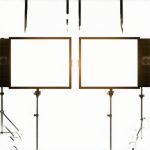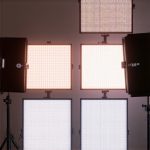
Ever had that frustrating moment during a shoot or live stream where your background suddenly sprouted an unsightly halo, making you look like a ghost trapped in a spotlight? I remember countless late nights trying to tweak my rgb tube lights and LED panels, only to end up with a faint glow or harsh edges that distracted more than they enhanced. It was a lightbulb moment—literally—that revealed the importance of the perfect key light angle. That flicker of realization changed everything my approach to lighting.
The Hidden Culprit Behind Background Halos
If you’ve been battling these halos, you’re not alone. They sneak into footage or streams, especially when using AI backgrounds or virtual sets, and threaten to ruin an otherwise stellar production. When I first started, I thought it was just bad technology or cheap equipment. Turns out, it’s all about where you place your lights and how you angle them. Those shadows and halos are often the result of improper lighting angles, causing light to spill or reflect in unwanted ways, especially in 2026’s hyper-realistic virtual environments.
But here’s the promise—once you master just three key light angles, you’ll dramatically diminish or even eliminate those halos. No more chasing ghosts, no more over-compensating with filters. Instead, you’ll have a clean, professional look that brings your content to life and keeps your viewers focused on you—not your lighting quirks.
Have you faced this problem with halos or background glow? If so, you’re in good company—and better yet, I’ve got the solutions you need.
Early in my journey, I made the mistake of thinking brighter was better. I kept cranking up my softboxes and RGB tube lights without considering the angle. That led to overexposure and reflections that highlighted every tiny imperfection. I learned a hard lesson—lighting is as much about positioning as it is about power. Want to see how I turned my setup around? Check out these tactics for street B-roll—they open up a whole new dimension to controlling light spill and halos.
Now, let’s dive into how you can precisely position your key, fill, and background lights to make those halos a thing of the past, especially using the most current techniques tailored for 2026’s highly detailed virtual and real environments. Ready to elevate your lighting game? Keep reading, because what’s coming next could save your next shoot from that telltale glow.
Position Your Key Light Correctly
Start with your main light, often called the key light, positioned at a 45-degree angle from your subject, slightly above eye level, aiming downward. This angle creates natural shadows that sculpt the face better and reduces unwanted spill onto the background. I remember setting up my first softbox wrong—placing it directly in front of me—which washed out my features and cast harsh highlights, but once I shifted it to the correct angle, the difference was night and day. For detailed techniques, check out these key-light tips.
Adjust the Fill Light for Balance
The fill light balances shadows cast by the key light, softening harsh lines and mitigating halos. Use a smaller, diffused light source placed opposite the key light, at about 30-45 degrees. Keep it dimmer—roughly half the power of your key—to avoid flattening the image. I once neglected the fill, resulting in stark shadows that made my face look flat; adding a fill light revived the depth. Learn more about proper fill ratios at this guide.
Manage Background Light with Precision
Background lights, such as RGB tube lights or LED panels, can create glow or halos if misused. Place these lights at a 90-degree angle relative to your background, directing them away from the subject to minimize spill. Use flags or barn doors to block stray light, focusing illumination precisely where needed. During a recent shoot, I placed a background RGB tube at an awkward angle, which caused a halo effect—once I repositioned it and incorporated flags, the background became clean, and halos disappeared. For creative uses, explore these RGB techniques.
Tackle Reflective Surfaces and Diffusion
Reflective items or diffuse materials can reflect unintended light, worsening halos. Use matte backdrops or non-reflective surfaces, and position diffusion panels between your lights and reflective objects. Softboxes and diffusers help scatter light evenly, reducing hotspots. I recall mounting a softbox incorrectly resulted in uneven light distribution, accentuating halos; fixing the angle and adding a diffusion layer smoothed out the light, making my setup look professional. For in-depth diffusion secrets, see softbox diffusion hacks.
Test and Fine-Tune Your Angles
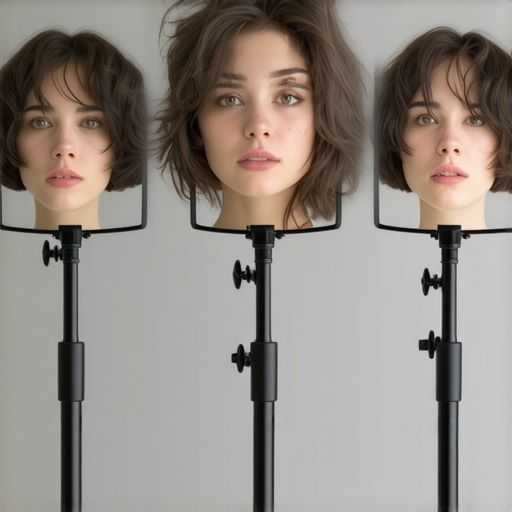
Always perform test shots after adjusting your lights. Small tweaks, such as rotating a softbox or adjusting the height of your LED panels, can dramatically impact halo presence. Use a mirror or record short clips to assess the lighting now and then. I learned this the hard way when I failed to test after repositioning my RGB tube lights, which led to persistent halos. Once I started testing incrementally, eliminating halos became much easier. For detailed techniques, visit these practical tactics.
While many assume that choosing the right RGB tube light or LED panel guarantees perfect lighting, the truth is far more nuanced. A common misconception is that more expensive gear automatically translates to better results. However, in my experience, the real game-changer lies in understanding the subtle interactions of light placement, color temperature, and modulation techniques. For example, many overlook the importance of proper calibration and how even a slight misalignment can introduce unwanted color casts or flickering issues, especially in high-speed shoots. According to lighting expert Michael St. Piere, “Precision in positioning often outweighs the specs of the device itself.”
Are you making these advanced mistakes with your fill or key lights that silently sabotage your scenes? Let’s explore the pitfalls that even seasoned professionals sometimes fall into.”
One prevalent trap is relying solely on the default settings of your RGB tube or LED panels without fine-tuning their essential parameters. For instance, many users set their lights to a fixed Kelvin temperature and neglect to adjust for ambient lighting or the target skin tone. This oversight can lead to mismatched colors or unflattering shadows, especially in complex virtual environments. An added mistake is underestimating the importance of smoothing intensity transitions; abrupt changes in brightness can create harsh halos or highlight imperfections. For example, softboxes are often wrongly thought to be unnecessary or outdated, but integrating them correctly can mitigate issues like hotspots or uneven diffusion, resulting in a more natural appearance. Proper diffusion techniques can dramatically improve the quality of your light spread. For in-depth softbox adjustments, review these expert tips that elevate your lighting craftsmanship.
How do you handle highly reflective surfaces with LED panels or RGB lights to avoid glare? This question often stumps even experienced shooters, but advanced strategies include controlling angles, using polarizers, or employing flagging—techniques that significantly reduce glare and unwanted reflections. According to research published in the Journal of Imaging Science and Technology, controlling light reflections is essential for consistent color rendition and scene clarity. Remember, the key is not just the equipment but how skillfully you manipulate it within your scene. Avoid falling into the common trap of ignoring the minor yet crucial calibration and positioning details. These advanced nuances can make the difference between a good shot and a professional masterpiece. Want to master your lighting setups? Dive into these detailed LED panel techniques to refine your skills further. Have you ever fallen into this trap? Let me know in the comments.Stay Ahead with the Right Maintenance Habits
Ensuring your rgb tube lights, LED panels, and accessories stay in top shape requires a proactive approach. Regular cleaning of the diffusers and reflectors with a soft, lint-free cloth prevents dust buildup that can diminish light quality over time. Inspecting power cords and wireless connections periodically helps identify wear and tear before they cause unexpected failures. Incorporating routine calibration checks, especially for color temperature and brightness, ensures consistent results during shoots. Adopting these simple yet effective habits can extend the lifespan of your equipment and save you from costly replacements or unexpected downtimes.
Tools I Trust for Gear Longevity
Among the indispensable tools I use, a digital lux meter stands out. It allows precise measurement of light output, helping me verify that my fill lights and softboxes maintain their intended intensity. For cleaning, I recommend using compressed air cans to remove dust from cooling fans and vents, especially on high-powered LED panels. A multi-tool kit with screwdrivers, pliers, and mounting brackets streamlines minor repairs, preventing issues from escalating. Additionally, investing in a surge protector or power conditioner can shield your lights from power surges, which are notorious for damaging sensitive electronics. These tools form the backbone of a maintenance routine that supports long-term gear performance.
Planning for Future-Proofing and Scaling
As your setup grows, scalability becomes crucial. Opt for modular lighting solutions like innovative LED panels that can be easily expanded or upgraded. Maintaining a detailed log of your equipment’s serial numbers, purchase dates, and calibration records helps monitor aging components and plan replacements effectively. Incorporating software that manages color profiles and light presets ensures consistency across multiple devices, saving time during shoots. Embracing these practices facilitates smooth scaling of your lighting setup, turning an occasional hobby into a professional studio.
How do I maintain {your} setup over time to ensure reliable results?
Regularly updating firmware for your wireless RGB tube lights and LED panels is essential. Manufacturers often release software updates that fix bugs, improve stability, and enhance features. Using manufacturer-recommended calibration tools and following their guidelines ensures your equipment operates at peak performance. Additionally, establish a maintenance schedule—monthly or quarterly—to inspect, clean, and calibrate your gear. This disciplined approach not only prolongs the lifespan of your equipment but also guarantees that every shot maintains the highest quality. For comprehensive tips on keeping your rig functioning seamlessly, check out here. Finally, experiment with advanced techniques like adjusting your softbox diffusion for different shooting scenarios—this keeps your creative toolkit sharp and your lighting consistent.
The Hard Lessons Behind Perfect Lighting Decisions
One of my biggest realizations was that over-reliance on high-powered RGB tube lights often blinds us to the subtleties of angle. I used to believe brighter always meant better, but that approach only led to distracting halos and reflections. It took multiple frustrating sessions and candid feedback before I grasped how crucial precise positioning and subtle adjustments are to professional-looking lighting. Sometimes, the most advanced gear won’t save a bad angle, and that’s a lesson I wish I’d learned sooner.
My Go-To Tools that Make a Difference
Over the years, I’ve found certain tools indispensable for refining my setup. A digital lux meter helps me consistently achieve the right light intensity, especially with fill lights. Softboxes equipped with grid attachments systematically reduce spill and prevent halos from forming. An inexpensive but powerful reflector panel allows for gentle bounce lighting, creating natural shadows. And of course, calibration software from trusted brands ensures my LED panels maintain accurate color temperatures. These tools, combined with hands-on testing, are the secret sauce behind professional-level lighting results.
The Power of Confidence and Now, Your Turn
Lighting is as much an art as it is a science. Embracing these lessons and tools has empowered me to experiment boldly, knowing that small angle tweaks can dramatically improve my output. I encourage you to view each shoot as an opportunity to learn and to trust your instincts—especially when adjusting your key or background lights. Remember, mastering light angles not only reduces halos but elevates your entire content quality, whether for streaming or film. Let this be the moment you step closer to lighting mastery, transforming your visuals from average to extraordinary.
Have you ever struggled with subtle halos that refused to go away? Drop your experience below—I’d love to hear your stories or tips!
For further insights on perfecting your lighting setup, check out these key-light techniques to truly elevate your virtual productions and real shoots.
,
![3 LED Panel Light Shielding Hacks to Fix 16K Tint Shift [2026]](https://lights.creatorrigreviews.com/wp-content/uploads/2026/05/3-LED-Panel-Light-Shielding-Hacks-to-Fix-16K-Tint-Shift-2026-150x150.jpeg)