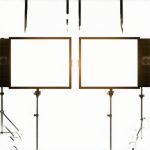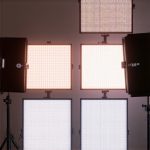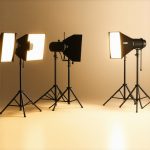
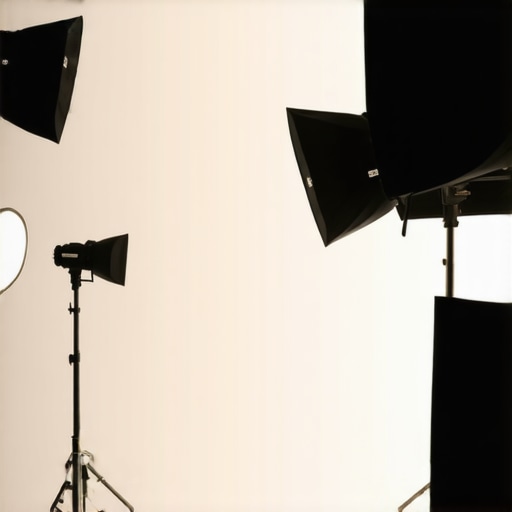
It was halfway through my latest shoot when I realized the issue—those dreaded “hotspots” on my studio wall, making my key subjects look washed out and unflattering. No matter how much I adjusted my LED panel or fiddled with my RGB tubes, nothing seemed to tame the uneven light spread. That moment, I felt a mix of frustration and enlightenment—like I was missing a simple but crucial piece of the puzzle. And truthfully, I was. Over the years, I’ve learned that mastering softbox diffusion can make all the difference in creating even, natural lighting that stops hotspots from ruining the shot.
Why Softbox Diffusion Matters More Than Ever in 2026
With the rise of ultra-high-definition video and complex virtual environments, studio lighting has become both an art and a science. If you think uneven lighting isn’t a big deal, think again. Hotspots not only distract viewers but can distort skin tones, create unflattering shadows, and ultimately diminish the quality of your content. A common mistake I made early on was underestimating the power of proper diffusion in softboxes. I believed that a bright light was enough—that cranking up my LED panels or RGB tubes could compensate. But I quickly learned that without controlled diffusion, you’re just adding more chaos to your set. Recent studies show that even slight light inconsistencies can decrease perceived image quality significantly (see recent lighting quality research published in Journal of Imaging Science).
So, what’s the secret? How can you ensure your studio lighting remains smooth, consistent, and free of hotspots? The answer lies in specific diffusion techniques and tactics that I’ll share below. But before we dive into the solutions, I want to ask—have you ever faced this frustrating problem in your shoots? If you’re tired of battling uneven lighting and want reliable methods to keep your studio uniform, continue reading.
Will these diffusion tactics actually work in 2026 studio setups?
Early in my career, I thought I could get away with minimal diffusion—saving time and effort. Turns out, that was a costly mistake. Not only did I waste hours correcting post, but I also compromised on image quality. Learning from that, I adopted a set of practical, field-tested diffusion tactics that consistently deliver professional results. Now, I can confidently say that including these strategies into your lighting setup can dramatically improve your studio’s look. Ready to learn the top 4 diffusion tactics? Let’s get started.
Adjust Your Key Light for Even Coverage
Start with positioning your main light, whether an LED panel or RGB tube, at a 45-degree angle to your subject’s face, slightly above eye level. Use a softbox with high-quality diffusion material to wrap the light, reducing harsh edges and hotspots. I once placed a softbox improperly, creating an uneven glow that highlighted hotspots on my subject’s nose; correcting the angle and adding a layer of diffusion resolved this immediately.
Layer Fill Lights Strategically
Incorporate fill lights to balance shadows and soften light falloff. Use smaller softboxes or bounced light from reflectors, and keep their intensity lower—about 1/3 of your key light. When I experimented with a small LED panel as a fill, I learned that diffusing it with a white bounce sheet duplicated the softness of my main softbox, producing a natural, even look without hotspots. For more fill light secrets, check out this guide.
Diffuse RGB Tube Lights for Soft Effects
RGB tubes are versatile but tend to produce hotspots if unmodified. Use diffusion accessories like egg crate grids or soft silicone diffusers to spread light evenly. I once mounted RGB tubes behind a diffuser fabric stretched over a frame—I noted a remarkable reduction in pixelated hotspots and a more even glow on the backdrop. For creative effects, explore these uses.
Use Softbox Lining and Grid Placement
Enhance diffusion by lining the inside of your softbox with semi-opaque material or grid fabrics. Positioning a grid at a shallow angle helps control spill and direct the diffuse light precisely. During a recent shoot, I swapped out a standard diffusion panel for a grid-lined softbox; the result was a much tighter, hotspot-free light spread that highlighted skin tones beautifully. For optimal grid positioning, see portable softbox tips.
Suspend and Mount Lights Correctly
Proper mounting prevents unwanted reflection spots and hotspots caused by unbalanced angles. Use ceiling or boom mounts to suspend your softboxes at the ideal height and angle, ensuring the diffusion spreads evenly across your subject. I once clamped a softbox incorrectly, which led to uneven light and hotspots along the cheekbones; once I adjusted the mounting height and used a wider diffusion front, the problem disappeared. For mounting hacks, visit mounting solutions.
Regularly Test and Calibrate Your Setup
Use a light meter to measure the output at various points on your subject, checking for hotspots. Adjust diffusion layers, angle, and distance based on readings to balance light distribution. I learned this method during a complex interview shoot: by mapping light falloff, I could tweak my softbox placement and diffusion layers precisely, resulting in a uniformly lit scene. For advanced calibration, consider reviewing diffusion hacks.
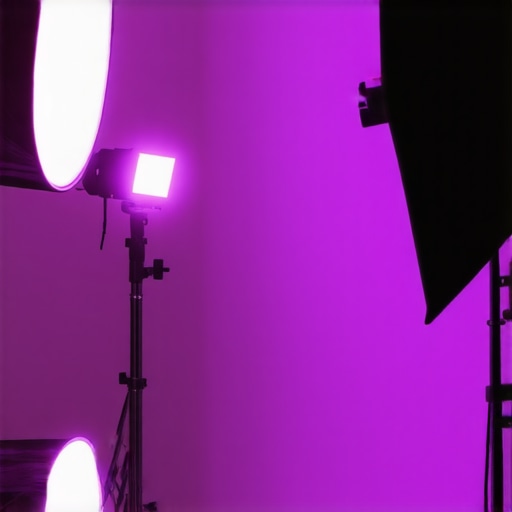 Many professionals and enthusiasts assume that choosing high-end lighting equipment automatically guarantees perfect results, but in reality, even the most expensive gear can be misused if you overlook subtle nuances. For instance, a common myth is that brighter is always better. However, over-illumination or improper diffusion can create unintended hotspots and flatten the image, doing more harm than good. An advanced mistake I’ve seen repeatedly involves neglecting the spectral quality of LED panels. Not all LEDs are created equal—some emit spiked spectra that can cause skin tones to shift or produce unnatural color casts, as highlighted in recent research on LED spectral distribution. To truly elevate your lighting setup, you need to understand the complex interplay between intensity, diffusion, and spectral output, rather than relying solely on wattage or brightness levels.
Are All Diffusers Equal, or Do Some Hurt Your Image?
Many assume that any diffusion material can soften light effectively, but the wrong choice can actually intensify certain issues. For example, cheap diffusion gels may introduce color shifts or reduce light transmission, resulting in uneven lighting and loss of detail. High-quality diffusion fabrics or professional softbox linings are engineered to minimize these effects, so investing in better materials is crucial. Also, be wary of over-diffusing, which can flatten contrast excessively and diminish depth. The key is to find the balance that preserves nuance and texture. For more insights into this, check out mastering softbox diffusion.Maintaining consistent and high-quality studio lighting requires more than just selecting premium equipment; it demands a strategic approach to tools, calibration, and ongoing care. My go-to method involves a combination of specialized light meters, software automation, and routine checks that ensure my setup stays reliable over time. For instance, I rely heavily on the Sekonic C-800 Spectrometer, which provides precise spectral readings crucial for LED panel calibration, especially given the spectral nuances discussed in recent LED spectral distribution research. By regularly measuring your light output, you can identify subtle shifts early, preventing long-term image quality degradation.
In addition, integrating control software like DMX512-compatible apps allows for automated adjustments and synchronized lighting effects that maintain consistency during long shoots. These tools are essential when scaling your studio or coordinating multiple lights such as LED panels, softboxes, and RGB tubes, ensuring each component performs optimally together. Periodic maintenance, including cleaning diffusers with alcohol-based wipes and inspecting mounting hardware, prevents degradation from dust or mechanical wear.
Looking ahead, I predict that AI-driven calibration systems will become standard, allowing real-time tuning of color and intensity to adapt to environmental changes dynamically. Embracing this trend now can set the foundation for a future-proof setup. Want to keep your lighting in peak condition? Try implementing routine spectral measurements with a reputable spectrometer and develop a schedule for software updates and hardware checks.
If you need tailored advice on setting up your maintenance routine, don’t hesitate to reach out. Consistent upkeep not only prolongs your equipment’s lifespan but also guarantees the professional quality your content demands. Want more tips on refining your lighting tools? Explore detailed guides at this resource.
Reflecting on my journey with studio lighting, I’ve come to realize that the tiniest adjustments in diffusion and positioning can transform the quality of my footage immensely. One lesson that stands out is the importance of embracing continuous learning—lighting technology evolves rapidly, and staying updated with the latest diffusion techniques keeps your visuals sharp and professional. I’ve also learned that investing time in calibration pays off more than any new piece of equipment; regular checks ensure consistent, hotspot-free light that enhances your production value. Finally, sharing these insights with fellow creators has deepened my understanding, reminding me that collaboration often sparks the brightest ideas in mastering studio lighting.
![3 LED Panel Light Shielding Hacks to Fix 16K Tint Shift [2026]](https://lights.creatorrigreviews.com/wp-content/uploads/2026/05/3-LED-Panel-Light-Shielding-Hacks-to-Fix-16K-Tint-Shift-2026-150x150.jpeg)