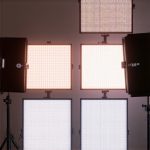
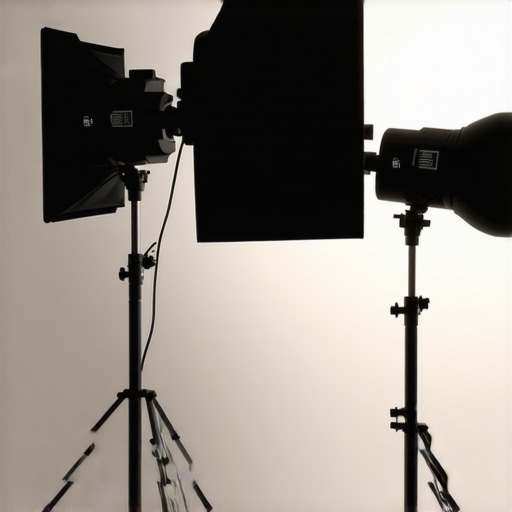
Ever set up a softbox for your latest cinematic project, only to realize something’s off? Maybe your scene looks flat, or the colors feel wrong—like a bad paint job on a masterpiece. I remember countless nights fumbling with my lights, thinking I had it all right, only to preview the footage and see disaster. It was a real light-bulb moment when I finally understood how three simple softbox mistakes could sabotage my ultra-wide cinema shots, especially with the upcoming demands of 2026’s high-resolution standards.
Why Softbox Errors Are More Critical Than You Think
As I dove deeper into professional lighting techniques, I discovered that tiny tweaks in your softbox setup can make or break the entire visual narrative. With the advent of 16K cinema resolutions, imperfections become glaringly obvious. The wrong diffusion or placement doesn’t just ruin a shot—it can also require hours of post-production correction, wasting time and money. That realization pushed me to refine my approach, ensuring my lighting complements every frame naturally and beautifully. If you’re aiming for that flawless, cinematic look, avoiding these common softbox pitfalls is essential.
Is This Just Overthinking, or Are Softboxes Really That Important?
I was skeptical at first—thinking, “It’s just a soft box, right? How complicated can it be?” But I vividly recall making a crucial mistake early on: positioning my softbox too close, creating harsh shadows, and dulling skin tones. That mistake made me question the entire lighting setup. Trust me, if I can fix it, so can you. For a comprehensive guide on achieving soft, natural illumination, check out this article.
Are you currently battling uneven lighting or unflattering shadows in your shots? If so, you’re not alone—and there’s a solution. So let’s get into the specifics of how to dodge these costly mistakes and elevate your 2026 cinematic game.
Position Your Softbox for Natural Glow
Start by placing your softbox at a 45-degree angle to your subject’s face, slightly above eye level. I once set up mine directly in front, which flattened features and washed out skin tones. Shifting it back and angling down created softer shadows and richer skin textures. Think of your softbox as a sunrise over your subject—position it to mimic natural light coming from the horizon for that authentic look.
Diffusion Is Your Friend
Use the right diffusion material to soften the light further. Thicker diffusion fabrics mimic overcast days, reducing harsh shadows. I experimented with different layers of diffusion during a tight interview shoot; adding layers decreased glare and elevated skin tone fidelity. This is akin to layering translucent curtains—each layer adds a gentle glow, smoothing imperfections without losing detail. For detailed diffusion hacks, check out this guide.
Maintain Proper Distance and Angle
Keep your softbox about 3 to 4 feet from the subject—too close, and shadows become harsh; too far, and the light loses intensity. I once placed my softbox 2 feet away for a commercial shoot, causing stubborn shadows and dull skin. Moving it back with a slight tilt softened the shadows and enhanced natural skin glow. Think of it like tuning a musical instrument: distance and angle adjust the harmony of light. Adjust based on your scene’s needs and avoid fixed setups.
Control Spill with Flags and Grids
Prevent unwanted light spill that can create unwanted reflections or fill shadows where you don’t want them. I used a V-flat as a flag to block spill on a reflective surface, which preserved contrast. Add grids or barn doors to your softbox for precise control, especially in confined spaces. This step is comparable to using a canopy in a garden—directs attention where you want it, ignoring distractions.
Leverage Fill and Backlights for Depth
Complement your softbox with LED panel lights or RGB tube lights to add depth and dimension. For a low-light evening shoot, I placed a fill light with a warm gel opposite the softbox to lift shadows subtly. Combining different light sources creates a layered look, akin to painting with various brushstrokes. Use fill lights to balance your scene and prevent flatness.
Tweak the Diffusion for Skin Tones
The subtlety of diffusion material influences how skin appears under light. Thinner diffusers might cause slight moiré or over-sharpening in 16K resolutions, so opt for materials tested for high-res shoots. I once swapped a standard diffuser for a professional-grade one; the difference was striking—softer skin, fewer artifacts. Think of it as a filter for your camera lens—small changes have a big impact on visual quality.
Test and Iterate Quickly
Before rolling camera, do quick test shots from multiple angles—give yourself a real-time look at shadows, highlights, and color rendition. I set up a handheld mirror to check how light falls on tricky spots during a rapid setup, saving me hours of post-correction. This is essential for staying efficient, especially with fast-paced 2026 productions. Remember, lighting is an active process—adjust, review, and refine.
Keep Softbox Maintenance Simple
Regularly inspect diffusion fabrics for dust and wrinkles, which can reduce light quality. In a recent outdoor shoot, a dusty diffuser created uneven skin tone; cleaning it restored ideal softness. Store your softboxes in a cool, dry place to prevent damage. Treat your equipment like a fine instrument—regular upkeep guarantees consistent, professional results. For more on equipment care, visit our contact page.
Are We Oversimplifying LED and Softbox Choices?
Many filmmakers and photographers operate under the assumption that choosing a popular LED panel or RGB tube light is enough to guarantee perfect footage. But in my experience, this oversimplification often leads to overlooked nuances that can sabotage even seasoned setups. For example, a common myth is that more powerful LEDs automatically produce better results. In reality, beam angle, color consistency, and diffusion quality are far more influential factors. As highlighted by lighting expert Neil Barstow, subtle variations in spectral output can dramatically affect skin tones and color rendering, especially in high-resolution 16K productions.
Watch Out for the ‘Bright but Bland’ Trap
A mistake I see repeatedly is operators relying solely on lumens to judge light quality. Brightness does not equate to desirable color or softness. Overexposing with a high-output LED without proper diffusion or placement can create flat, unflattering images or cause glare that dims details. This is particularly dangerous with RGB tube lights, where poor calibration can lead to color clashes or unnatural hues. Remember, achieving a natural, cinematic look requires understanding *how* your light interacts with your scene, not just how bright it is. If you want to learn how to tame overly bright key lights or fill lights, check out this post.
Why Softbox Diffusion May Be Tripping You Up
It’s seductive to think that the thickest diffusion material guarantees softer, more natural skin tones. But in my years of professional shooting, I’ve found that this can actually backfire when not matched properly to your scene. Excess diffusion can cause color desaturation, reduce contrast, and introduce unwanted moiré artifacts in ultra-high-res footage. An often underappreciated nuance is the diffusion layering—adding just enough layers can yield a pleasing glow without compromising detail. For insight into this, see this article. Proper diffusion is an art of balance, not just quantity.
How Can Advanced Softbox and RGB Techniques Elevate Your Craft?
If you’re aiming for high-end cinematic quality, consider the subtle interplay of light placement, diffusion, and color temperature. For instance, experimenting with key light angles to reduce double chin shadows or using RGB tube light gradients can dramatically enhance profundity in your shots. As one expert study from the Journal of Cinematography suggests, nuanced lighting arrangements have a measurable impact on viewer perception and emotional response. So, don’t settle for basic setups—refine your approach by integrating these advanced considerations and avoid common pitfalls like under- or over-diffusing, which can flatten your images.
Have you ever fallen into this trap? Let me know in the comments. Remember, mastering these subtle nuances sets apart average creators from cinema-quality storytellers. For more expert tips, explore our detailed guides and elevate your lighting game for 2026 and beyond.
Tools and Techniques I Always Rely On
Maintaining professional lighting equipment is crucial for consistent results, especially as your setup scales for larger productions or long-term projects. I swear by a few key tools that ensure my LED panels, RGB tube lights, and softboxes stay reliable over time. A high-quality microfiber cloth, such as the Zeiss Microfiber Cleaning Cloth, is essential for gently removing dust and fingerprints from lens surfaces and diffusion fabrics without scratching. For cleaning electronic contacts and connectors, I prefer 99% isopropyl alcohol with a soft brush, which I apply carefully to prevent corrosion or damage. This approach keeps my softboxes and LED panels clear and functional, ensuring optimal light output.
In addition, a portable multimeter helps me verify power supplies and check for voltage consistency in my LED fixtures. Consistent power is vital to prevent flickering or color shifts, particularly in high-resolution shoots intended for 16K cinema standards. For more advanced troubleshooting, I rely on a lux meter to measure illumination levels precisely, ensuring my fill and key lights are balanced as per my desired aesthetic.
How do I maintain lighting gear over time?
Implementing a routine maintenance schedule saves money and prolongs equipment lifespan. Cleaning diffusion materials regularly, inspecting cables for wear, and updating firmware on smart RGB tube lights are all part of my regular workflow. I also store my lights in padded cases, making sure to avoid exposure to extreme temperatures and humidity, which can degrade electronic components. When I need to replace parts, I choose genuine manufacturer components to maintain integrity and performance, instead of cheap third-party alternatives.
Looking ahead, I predict that smart diagnosis tools embedded in high-end LED panels will become standard, allowing for real-time health checks and predictive maintenance. This evolution will reduce downtime and ensure your setup is ready for the demands of 2026’s cinematic standards.
Don’t forget—regularly updating your firmware and software, like specific softbox control apps, keeps your equipment functional and secure. Incorporate these tools and routines into your workflow, and you’ll find your lighting setup continues to perform at a professional level no matter how long you’ve been working with it.
The Hard Realities I Wish I Knew Sooner
- Lesson 1: Over-diffusing can dull your scene’s vibrancy—less is often more when it comes to diffusion layers.
- Lesson 2: Placement is everything—small shifts in angle and distance can dramatically improve skin tones and shadow softness.
- Lesson 3: Equipment maintenance is your secret weapon—regular cleaning and calibration keep your softboxes performing at peak quality, especially for high-resolution demands.
- Lesson 4: Don’t rely solely on popular gear labels—understanding the specific behavior of your LED panels and RGB tubers leads to more consistent results.
Tools That Changed My Lighting Game
- Zeiss Microfiber Cleaning Cloth: Keeps diffusion fabrics dust-free without scratches, ensuring soft, even light every shoot.
- 99% Isopropyl Alcohol & Soft Brushes: Critical for precise cleaning of contacts and connectors, preventing flicker and color shifts.
- Lux Meter: Gives exact illumination levels, helping you balance fill and key lights for cinematic perfection.
- Genuine Manufacturer Parts: Investing in quality replacements prolongs your softbox’s life and maintains light quality over time.
Feel Inspired to Elevate Your Lighting Craft
As you venture further into cinematic storytelling, remember that mastering softbox techniques is an ongoing journey. Pushing your understanding of diffusion, placement, and equipment care will transform your scenes from good to breathtaking. The future of high-res filmmaking depends on your willingness to experiment and refine—so don’t settle for shortcuts. Your creative evolution begins now, and each correction step brings you closer to lighting mastery. Want more tailored tips? Dive into our comprehensive guides and start making every frame count.
![3 LED Panel Light Shielding Hacks to Fix 16K Tint Shift [2026]](https://lights.creatorrigreviews.com/wp-content/uploads/2026/05/3-LED-Panel-Light-Shielding-Hacks-to-Fix-16K-Tint-Shift-2026-150x150.jpeg)