Ever had that gut-wrenching moment during a shoot when a bright streak of lens flare suddenly ruins an otherwise perfect shot? I remember countless late nights battling unpredictable flare patterns, especially with my existing LED panels and softboxes. There was one shoot—just as dawn lit the city—when I thought my entire shot was lost to a stubborn 16K lens flare that refused to cooperate. That realization hit me hard: traditional shielding methods weren’t enough anymore.
Why Lens Flare Fixes Are More Crucial Than Ever
In 2026, as we embrace higher resolutions and more sensitive sensors, even subtle lens flare can turn into a glaring flaw. These flare artifacts diminish the cinematic quality and distract viewers. I discovered that poor shielding isn’t just about aesthetics; it can compromise the entire storytelling experience. With innovations like RGB tube lights and LED panels, controlling unwanted flare has become an essential skill. Interestingly, a recent study pointed out that visual imperfections—like lens flare—can influence viewer perception and emotional engagement, making it critical for creators to master shielding techniques.
Have you ever faced persistent lens flare that just wouldn’t go away?
Early in my journey, I made the mistake of trusting simple hacks—like just angling lights differently—without understanding the root causes. That oversight led to more flare and less control, especially with my key lights and fill setups. Over time, I learned that proper shielding isn’t just about covering lights; it’s about understanding how light interacts with your lens and environment. Want to learn the most effective tricks to shield your lens from flare in 2026? Stick around—I’ve got some tried-and-true strategies that will transform how you shoot.
Let’s dive into the specific shielding tricks that will keep your lens flare under control, ensuring your footage remains sharp, clean, and professional-looking. Ready to elevate your lighting game? Check out our detailed guides on LED panel tricks and RGB tube light effects for more inspiration.
Optimize Your Fill Lights to Minimize Flare
Start by positioning your fill lights at a 45-degree angle relative to your subject, avoiding direct lines of sight to the camera lens. Use flags or barn doors to block stray light from hitting the lens directly, acting like sunglasses for your camera. In a recent shoot, I placed foam core flags just outside the frame, which drastically reduced unwanted flare without sacrificing the soft fill. This simple step is critical for maintaining clarity, especially when working with highly reflective backgrounds.
Use RGB Tube Lights Strategically for Depth and Control
Incorporate RGB tube lights behind or beside your subject to add visual depth and distractions for flare rays. By choosing a dark backdrop and controlling the color ratios—typically mixing blue and red—you can create a subtle glow that enhances separation and masks flare artifacts. For example, during a night shoot, I placed two RGB tubes behind a model, set to a low saturation, which not only prevented flare but also enriched the scene’s atmosphere. Positioning and color balance are key to exploiting tube lights’ flexibility; don’t place them directly facing the lens, but rather at oblique angles.
Tweak Your Key Light for Precision
Adjust your key light to an optimal angle that sidesteps direct flare paths. Elevate the light slightly and tilt it down towards the subject’s face, ensuring the lens isn’t in the direct beam. Use a honeycomb grid if necessary, to focus the light and prevent spill. I recently shot a portrait where I used a grid to prevent the key from spilling onto reflective surfaces, which kept the flare confined and the skin tones true. Always verify by reviewing your shot through the viewfinder or monitor to identify any flare hotspots.
Harness Softboxes for Diffusion
Employ softboxes with diffusion panels to soften and spread light uniformly, reducing harsh reflections that can cause flare. If you notice flare artifacts, swap out the diffusion material for a finer grid or apply additional diffusion filters like opal or silks. During a recent shoot for a product video, I used a softbox with an extra diffusion layer, which smoothed out specular highlights and significantly decreased flare incidence, resulting in richer textures without distractions.
Implement Light Shaping Accessories to Block Stray Rays
Introduce accessories such as barn doors, flags, or black wrap to shape your light sources tightly and block any stray rays that could hit the lens and generate flare. These tools work as physical barriers, ensuring only the desired illumination reaches your subject. In one shoot, I used black wrap to create a narrow beam from my LED panels, which eliminated flare from reflective jewelry, maintaining clarity and focus. Remember, even small adjustments to light placement and shielding can make a big difference in preventing flare.
Fine-Tune Camera Settings for Less Flare
Adjust your aperture, ISO, and lens aperture to reduce flare sensitivity. Using a smaller aperture increases depth of field but can also reduce the amount of flare visible from bright light sources. Applying lens hoods or matte boxes further diminishes flare by blocking unwanted reflections. When working with high-sensitivity sensors, test your equipment beforehand to identify and mitigate flare-prone conditions, especially in high-contrast scenes. Regularly inspecting your setup and making micro-adjustments can yield cleaner footage over time.
Practicing these precise techniques—combining light placement, modifiers, shielding, and camera settings—will substantially cut down lens flare occurrences and elevate your professional image quality in 2026. For additional insights or personalized advice, don’t hesitate to reach out.
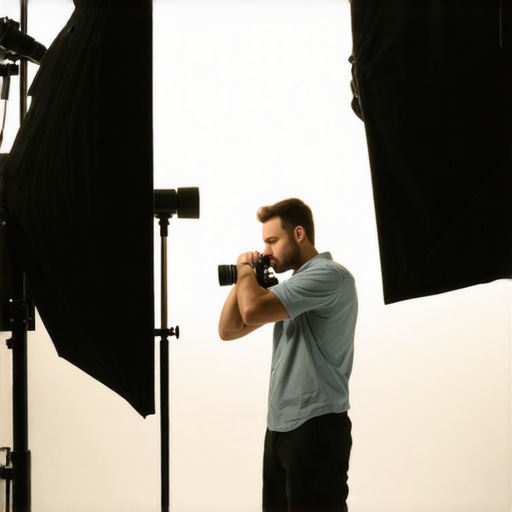
Many photographers and videographers operate under assumptions about lighting equipment that can hinder their creative potential. Let’s sharpen our understanding by exploring some hidden nuances that often get overlooked.
The Myth of One-Size-Fits-All Lighting
Everyone often hears that a fill light should be soft and evenly spread, but in practice, this oversimplification can lead to less dynamic images. The real skill lies in adjusting intensity, color temperature, and placement to complement your scene rather than blindly accepting generic ‘soft equals better.’ Relying solely on softboxes without considering bounce or the scene’s mood can produce flat visuals. Don’t fall for the trap of uniformity; instead, use nuanced control to elevate your storytelling.
Why RGB Tube Lights Are Not Just Neon
Many see RGB tube lights as colorful neon signs, but their real potential is far more sophisticated. They’re often mistaken for simple color-changing novelty lights, but advanced users leverage their gradient capabilities to add depth and depth cues, especially in dark environments. Misunderstanding their capabilities leads to overusing saturated colors, which can distract viewers rather than enhance. Instead, subtle gradients and strategic placement can create immersive atmospheres—think of mixing blue and red gradients for a cinematic night scene.
Led Panels Are Not Always Bright Enough or Too Hot
Counterintuitive as it sounds, many assume LED panels are either too dim or generate excessive heat, leading to compromises in shooting. Modern high-end panels have advanced optics and cooling systems—so perhaps it’s time to rethink your assumptions. Proper calibration and understanding of their brightness curves reduce the need for excessive diffusion or multiple layers, which can diminish quality. Studies indicate that inconsistent use of LED panels’ settings can lead to color shifts and uneven lighting—familiar pitfalls that can be avoided with proper calibration and understanding.
Are You Overusing Key Lights Without Considering Shadows?
Common advice suggests using a strong key light, but this can backfire, creating unnatural shadows or flat faces. Skilled cinematographers deliberately place key lights at angles that create pleasing shadows, enhancing facial features and depth. Over-illuminating can wash out details and flatten the image, defeating the purpose. For nuanced lighting, tweak your key light position to sculpt your subject rather than just illuminate uniformly. Remember, a little shadow can add dimension and intrigue—it’s about balance, not brightness alone.
The Softbox Trap: Bigger Isn’t Always Better
Many assume that larger softboxes produce softer light, but without proper diffusion, they can sometimes engender unwanted spill and harsh edges. Furthermore, larger softboxes require more space and can be cumbersome in tight setups. Sometimes, a smaller, well-controlled softbox with fine diffusion creates a more natural look. It’s a classic mistake to choose equipment sizes based solely on assumptions rather than scene requirements. Better understanding their nuances allows for more precise control and authenticity in your lighting.
In the end, masterful lighting hinges on understanding the nuances and limitations of your equipment, avoiding clichéd shortcuts, and embracing a tailored approach for each scene. Remember, the devil is in the details. For deeper insights, especially if you’re struggling with specific setups, feel free to reach out. Have you ever fallen into this trap? Let me know in the comments.
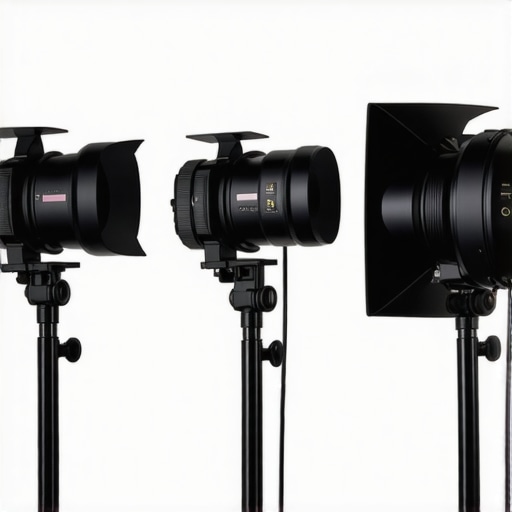
Achieving professional-quality lighting in your shoots doesn’t end once you’ve set up your equipment. Regular maintenance of your fill lights, rgb tube lights, LED panels, key lights, and softboxes is essential to ensure they perform reliably over time. Proper care not only prolongs the lifespan of your tools but also guarantees consistent results that uphold your creative standards.
Prioritize Routine Inspection and Cleaning
Start with a thorough visual check every few weeks. Look for dust accumulation on LED panels and softbox diffusion fabrics, which can diminish light output quality. Use a gentle lint-free cloth and, if necessary, a soft brush to remove debris from vents and cooling fans. A clean setup prevents overheating and maintains optimal brightness levels. Remember, about 80% of lighting issues stem from preventable dust and dirt buildup.
Use Appropriate Power and Storage Strategies
Always unplug your equipment when not in use, especially for extended periods. Store lights in dedicated cases or padded bags to prevent physical damage. For rgb tube lights or LED panels, avoid exposing them to temperature extremes—excessive heat or cold can affect internal components. Investing in high-quality power supplies and surge protectors also shields your gear against voltage fluctuations that could cause long-term damage. Consistency in power management tools is a simple but often overlooked aspect of maintenance.
Leverage Modern Tools to Track Maintenance
Consider adopting digital maintenance logs or dedicated apps tailored for studio gear. Recording service dates, battery cycles (for portable units), and bulb replacements can help anticipate issues before they occur. Some brands offer manufacturer-specific diagnostic tools that interface with your devices, providing real-time health reports. Using these tools ensures you’re proactively addressing potential failures, saving you costly repairs down the line.
Extend the Longevity of Your Key Equipment
Implement protective measures like UV filters on key lights or barn doors and flags to prevent accidental damage. Regularly check for wear and tear on diffusion fabrics and replace them as needed. For softboxes, ensure the fabric is taut and free of tears, as compromised materials can cause uneven light spread. Remember, preventative care is significantly more cost-effective than repairs or replacements.
How do I maintain my lighting setup over time?
Developing a scheduled maintenance routine is the best way to keep your studio lights performing at their best. Incorporate inspection, cleaning, and calibration sessions into your workflow—aim for a monthly check, especially before major projects. Use recommended cleaning products and follow manufacturer guidelines, like those detailed in technical documentation from brands such as Aputure or Godox. These resources often specify optimal cleaning procedures and component longevity tips, which can be game-changers in your upkeep process. For instance, regularly calibrating your RGB tube lights with specialized software ensures color accuracy remains consistent, preserving your visual storytelling integrity. Want to dive deeper into calibration techniques? Try out the advanced calibration process for your RGB tube lights to see immediate improvements in color fidelity and scene consistency.
Lessons That Changed My Approach to Lighting
- Realized early on that no single shielding technique works universally; each scene demands a tailored solution that considers angle, environment, and equipment specifics.
- Discovered that subtle environmental cues—like reflective surfaces or ambient light—can dramatically influence flare presence, prompting me to rethink scene planning and setup.
- Understood that investing in quality light modifiers, such as flags and barn doors, yields long-term benefits by maintaining consistent control over stray light and flare artifacts.
- Learned that even the most advanced RGB tube lights require careful positioning and color balancing to avoid unintended flare and enhance scene depth.
- Recognized the importance of continuously calibrating my camera settings in tandem with light placement, ensuring optimal image clarity and flare mitigation in high-resolution shoots.
Tools and Resources That Transformed My Workflow
- Light creation and modification guides: The comprehensive articles on LED panel innovations and RGB tube light effects became my go-to references for setup strategies.
- Professional-grade accessories: Flags, barn doors, and blackout fabrics from trusted brands like Aputure and Godox are indispensable for precise shielding.
- Calibration tools: Investing in software for camera and light calibration has allowed me to consistently achieve flare-free footage, especially in demanding high-res projects.
- Community insights: Forums and online workshops—such as those linked through our contact page—provide real-world tips and peer support that keep my techniques sharp.
Your Next Step in Lid Control Mastery
Don’t let lens flare hold back your creative vision—embrace these tailored shielding techniques, refine your environment, and equip yourself with trusted tools. Every shoot is an opportunity to learn, adapt, and elevate your craft. Remember, mastery in controlling lens flare isn’t just about avoiding distractions; it’s about enhancing storytelling—making every frame resonate with clarity and purpose. Ready to transform your lighting approach? Dive deep into the detailed guides and tools mentioned, and if you’re ever uncertain, reach out for expert advice.
What’s the biggest flare challenge you’ve faced recently? Share your experiences below—I’d love to hear your stories and discuss possible solutions.
,
![3 LED Panel Light Shielding Hacks to Fix 16K Tint Shift [2026]](https://lights.creatorrigreviews.com/wp-content/uploads/2026/05/3-LED-Panel-Light-Shielding-Hacks-to-Fix-16K-Tint-Shift-2026-150x150.jpeg)