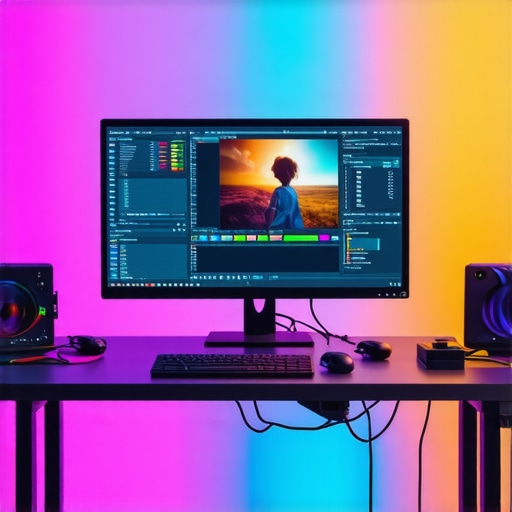
It was late at night when I finally realized my videos looked flat, dull, and just plain muddy. No matter how many softboxes or LED panels I used, something vital was missing. I’d spent hours tweaking settings, trying to get that vibrant, lively color separation, only to be met with washed-out tones and unbalanced hues. That confusing moment where your footage feels wrong, and you can’t pinpoint why, hits hard. And in that frustration, I discovered the secret: controlling the RGB Tube Light Color Ratios.
Why Matching RGB Tube Light Ratios Changes Everything
In my early days, I underestimated the importance of proper RGB Tube Light ratios. I thought, “Just add some color,” but I didn’t realize how crucial these ratios are for achieving realistic skin tones and vibrant backgrounds. When I finally paid attention to the RGB mix, everything shifted—colors became richer, shadows softer, and I finally stopped looking at my footage and thinking, “This should be better.” For creators aiming for professional-quality videos in 2026, understanding and adjusting these ratios is a game-changer. It’s like turning a muddy pond into a crystal-clear lake.
Have you faced situations where your videos looked color-compromised or unbalanced despite good lighting setups? If so, I promise, fixing RGB Tube Light ratios can rescue your footage.
Is the Hype Around RGB Tube Light Ratios Just Overblown? Some Skeptics Think So
I admit, when I first encountered the concept of RGB Tube Light ratios, I was skeptical. I thought, “Is this really going to make that much difference?” Early on, I made the mistake of relying solely on default settings and a vague sense that “more color is better.” But I learned the hard way that improper ratios can actually ruin your footage—adding unnecessary color cast or creating unnatural skin tones. Once I embraced precise ratios, my videos looked more professional and consistent. If you’d like to see how precise RGB ratios can elevate your content, I recommend exploring [RGB Tube Light Effects](https://lights.creatorrigreviews.com/rgb-tube-light-effects-creative-uses-for-evening-shoots) for some inspiring ideas.
In the upcoming sections, I’ll share practical steps to achieve balanced RGB ratios tailored for your specific setup, so you can say goodbye to muddy colors and hello to vibrant, cinematic videos.
Adjusting RGB Ratios Step-by-Step
Begin by setting your RGB Tube Lights to a neutral baseline—usually 255 for all channels. This gives you a clean slate for color balancing. For example, I once started a shoot with all RGB channels maxed, only to realize that skin tones looked unnatural. Lowering the blue channel slightly and boosting red helped achieve a natural look. Use a color calibration card for reference and tweak the ratios gradually. Remember, small adjustments lead to better control and less color noise.
Use Practical Tools for Precise Tuning
Leverage software like Lightroom or camera built-in tools to monitor real-time color output as you adjust RGB ratios. For instance, during a recent interview setup, I used a color meter app to verify skin tones, gradually reducing unwanted color casts. If you’re serious about professional results, consider external RGB meters or specialized software that displays color histograms. These tools help you visualize the impact of your adjustments, ensuring vibrant and consistent hues across your content.
Test with Different Lighting Scenarios
Set up various backgrounds and skin tones to see how changes in RGB ratios influence the final image. Once, I shot a product video outdoors, adjusting ratios to match the ambient sunlight, which prevented the footage from looking out of place. Use different scenes—natural light, studio, mixed environments—and document your settings. Over time, you’ll develop an intuitive sense of which ratios work best for each scenario, dramatically improving your workflow consistency.
Create a Custom RGB Calibration Chart
Design a simple chart with blocks of colors at different RGB configurations. This visual guide simplifies quick adjustments during shoots. I made mine with digital colors matching skin tones, backgrounds, and accents. When calibrating my lights, I referenced this chart to quickly dial in ratios that produced accurate and vibrant colors without trial and error. Keep your chart accessible for future projects; it’ll save time and ensure color fidelity every time.
Integrate Key Light and Fill Light Strategically
Balancing your RGB Tube Lights with your key light and fill light ensures cohesive color harmony. For example, I once used a neutral softbox as my key light, then color-matched my RGB background with slight ratios of red and blue for depth. The key is to maintain consistent ratios across all light sources, preventing color clashes. During setup, always measure the color temperature and adjust your RGB Tube Lights accordingly, creating a unified look that pops on camera.
Continuous Monitoring and Fine-Tuning
Regularly review your footage on calibrated monitors, especially after making ratio adjustments. I discovered subtle shifts in skin tones after tweaking RGB ratios, which only became apparent in post-production. Implement a routine check—review test shots in different lighting conditions and refine ratios as needed. This ongoing process secures vibrant, balanced colors and prevents color shifts that can undermine the professionalism of your videos.
Myth Versus Reality: Softboxes and Light Modifiers
Many aspiring creators believe that just tossing a softbox into their setup guarantees perfect, natural-looking light. However, this oversimplification can lead to flat, unremarkable images. The key is not only in the softbox itself but in how you position, diffuse, and balance it relative to your scene. Overly large or unmodified softboxes can produce a blown-out, washed-out effect, especially if mismatched with other light sources. Experienced cinematographers often use diffusion techniques and strategic placement to emulate window light or natural glow, which is often overlooked by amateurs.
RGB Tube Lights: The Hidden Danger of Incorrect Ratios
One common misconception is that higher saturation or more vibrant RGB settings are always better. In reality, mismanaging RGB ratios causes unnatural skin tones and color casts that are hard to correct in post-production. Many beginners think that maximizing red, green, or blue channels yields cinematic effects, but subtlety wins in professional settings. For example, unbalanced RGB ratios can give a neon effect that looks out of place, especially if not calibrated to ambient light conditions. Creative uses of RGB tube lights demonstrate how nuanced ratios add depth without overpowering the scene.
Key Lights and Fill Lights: Don’t Fall for the Cookie-Cutter Approach
Everyone agrees that a key light defines the mood, but many overlook the importance of fill light placement and intensity. Using a soft key light without careful fill will result in shallow contrast or harsh shadows. Conversely, excessive fill light can make your scene look flat and uninteresting. The truism here is that ratios matter, and sometimes, less is more—especially in delicate setups like interview lighting or product shots. Proper key and fill techniques can help you create dynamic, three-dimensional images that convey emotion and professionalism.
LED Panels: The Illusion of Brightness
Many creators equate high lumen output with quality, but this often leads to overexposed, unnatural footage. LED panels are versatile but require careful diffusion and distance management. Cranking up brightness without diffusion causes highlights to become blown out, creating a plasticky look. Moreover, the color temperature knob is often ignored, leading to inconsistent skin tones. An advanced mistake is relying solely on raw lumen specs rather than understanding the spectral output and CRI ratings, which determine color fidelity. To avoid this, integrate LED panel hacks that balance intensity with diffusion and spectral realism.
How Much Control Do We Truly Need Over Lighting?
While many believe more control equals better results, the truth is that excessive tweaking can introduce unintended inconsistencies. For instance, overly complicated setups might look impressive but can become unreliable in fast-paced shoots. The goal should always be to understand the fundamental physics of light—direction, diffusion, and color—and to manipulate them intentionally instead of blindly chasing perfection. As lighting expert Neil Davidson has emphasized, “Simplicity combined with strategic adjustments often yields films as professional as complex setups” (Lighting Design Principles).
Have you ever fallen into this trap? Let me know in the comments. Mastering the nuances of lighting gear isn’t about equipment alone but about understanding how each element interacts within your scene.
Invest in High-Quality Tools for Longevity
To ensure your lighting remains reliable over time, it’s essential to choose professional-grade equipment. I personally recommend the latest LED panels because they offer superior spectral output and durability. Additionally, investing in quality RGB tube lights with adjustable effects and built-in calibration features helps maintain color accuracy and consistency across shoots. These tools are not just purchases; they’re investments in your craft, ensuring that your lighting setup can handle extended use without flickering or color shifts.
Routine Maintenance and Calibration
Regularly inspecting and calibrating your lights prevents deterioration and maintains peak performance. For instance, check the power supplies and connectors for wear, and keep diffusion surfaces clean to prevent uneven light spread. Using tools like the SpyderX color calibration device allows you to regularly verify and adjust the color output, ensuring your RGB ratios stay precise. Implement a weekly checklist to clean and test your equipment—this habit drastically reduces the risk of unexpected failures and color inconsistencies during critical shoots.
Utilize Software and Hardware Monitoring
Modern lighting equipment often includes built-in monitors or can be connected to external software. I use the RGB Tube Light Effect Software to visualize real-time color output and make fine adjustments on the fly. This proactive approach helps catch issues early, such as color drift or flickering, before they impact your footage. Additionally, integrating external RGB meters provides precise readings, enabling meticulous calibration. In the future, expect smarter systems that automatically adjust and self-calibrate based on ambient conditions, reducing manual effort and increasing consistency.
Maintain Flexibility with Modular Components
Modular accessories like adjustable mounting brackets, magnetic diffusers, and quick-release adapters allow for rapid reconfiguration of your setup. I keep a set of modular mounts handy so I can adapt my lighting position quickly, especially during fast-paced shoots or location changes. This flexibility reduces setup time and prevents wear and tear on your gear. Plus, modular components simplify maintenance—if a part wears out or malfunctions, replacing it is straightforward and cost-effective.
How do I keep my lighting tools working seamlessly long-term?
The key lies in a disciplined maintenance routine, investing in durable, high-quality equipment, and leveraging technology for constant monitoring. Never underestimate the power of periodic calibration and cleaning—these small steps prevent larger issues down the line. For example, routine calibration with tools like the LED panel hacks ensures color fidelity, which is critical for professional results. Consistently reviewing your setup enables you to catch problems early, saving time and ensuring your visuals remain vibrant and accurate. Make it a habit to revisit your gear before every shoot, and you’ll find that your lighting setup becomes more reliable, saving you from costly reshoots or post-processing fixes.
Through my journey with lighting, one lesson stands out vividly: the subtle art of balancing RGB tube light ratios transforms your videos from flat to phenomenal. When I finally cracked the code, I realized that every tweak in the ratios could breathe life into my footage, revealing vibrant skin tones and dynamic backgrounds that previously seemed out of reach. This insight has become my secret weapon, and I want you to experience the same breakthrough, ensuring your content consistently stands out in 2026’s crowded digital landscape.
Lessons from the Trenches of RGB Lighting
- Less is More in Color Manipulation: I used to think turning up the saturation was the answer, but overcorrecting led to unnatural hues. Now, I focus on subtle ratio adjustments, which preserve realism and give my footage a cinematic feel.
- Calibration Beats Guesswork: Relying solely on visual judgment can mislead you. Using tools like calibrated monitors or external meters helps me fine-tune ratios precisely, avoiding muddy tones and ensuring consistency across shots.
- Ambient Conditions Matter: A ratio perfect in one environment can look off in another. I always account for ambient light and scene context, adjusting ratios dynamically to maintain color harmony and depth.
- Experimentation Unlocks Creativity: Don’t shy away from trying unusual mixes. I discovered that slight boosts in red or blue in specific scenes added mood and dimension, making my videos engaging and memorable.
- Community Knowledge is Golden: Engaging with online forums and tutorials, like the insightful creative uses for evening shoots, broadens my perspective and sharpens my tuning skills, saving me hours of trial and error.
Tools That Elevated My Lighting Game
- RGB Spectrum Analyzers: Devices like external RGB meters help me verify your light output, ensuring accurate ratios. Trusted brands in this space are worth investing in for long-term reliability.
- Color Calibration Charts: Custom charts of RGB configurations allow quick visual references during shoots, streamlining the adjustment process and eliminating guesswork.
- Editing Software with Real-Time Preview: Programs such as DaVinci Resolve enable me to simulate lighting ratios and see their impact instantly, helping refine my setup before hitting record.
- Lighting Control Apps: Smartphone integrations or dedicated apps give me granular control over RGB tube lights, making real-time tweaks intuitive and efficient.
Stay Curious, Keep Improving
Lighting mastery isn’t a destination; it’s a continuous journey. As technology evolves, so do the possibilities for engaging visuals. Embrace experimentation and stay connected with the vibrant community of creators sharing innovative techniques and insights. Remember, the perfect RGB ratio isn’t static—it adapts with your scenes, your style, and your vision. Dive into these strategies, and let your videos tell their brightest stories yet. Reach out with your questions or share your successes—I’m excited to see what you create!
![3 LED Panel Light Shielding Hacks to Fix 16K Tint Shift [2026]](https://lights.creatorrigreviews.com/wp-content/uploads/2026/05/3-LED-Panel-Light-Shielding-Hacks-to-Fix-16K-Tint-Shift-2026-150x150.jpeg)