My Journey into Softbox Lighting: How I Discovered the Perfect Setup
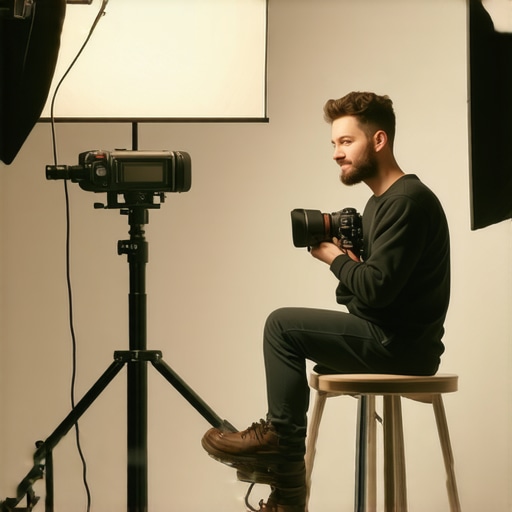
As a passionate video creator, I remember the first time I struggled with lighting during a shoot. The harsh shadows and uneven illumination made my footage look unprofessional. That was when I started exploring softboxes and key lights, realizing their potential to transform my videos. Over time, I learned that the right softbox setup could add depth, softness, and a natural glow to my subjects, making my content more engaging and polished.
Why Softboxes Are My Go-To for Creating Flattering Light
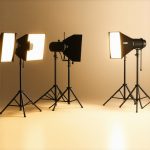
Softboxes have become an essential part of my lighting arsenal because they diffuse light evenly, reducing harsh shadows and hotspots. I experimented with various sizes and shapes, but I found that a larger softbox provides a more wraps-around light, perfect for interviews or close-up shots. When I set up my softbox, I always ensure it’s at a 45-degree angle to my subject, which creates a pleasing, natural look. If you’re aiming for a professional feel, mastering softbox placement is key.
How to Elevate Your Video Quality with the Right Key Light Techniques
In my experience, the key light is the most critical component of good lighting. I like to use a softbox as my main light source because it offers control and consistency. For a dynamic look, I sometimes combine a softbox with an RGB tube light, which adds subtle color accents and enhances the mood. For example, during evening shoots, I incorporate creative softbox and RGB tube effects to mimic natural lighting conditions, as discussed in this resource.
Can I Achieve Natural Light Effect with Softbox and Artificial Lights?
This question has often crossed my mind. Achieving a natural look requires understanding light behavior and placement. I often study natural light patterns, like the warm glow at 6 pm, to replicate with my softboxes. Techniques such as bouncing light or using fill lights help me create a balanced scene that feels authentic. For more tips on achieving this, I recommend exploring fill light secrets.
What’s the secret to choosing the right softbox size and shape for different scenes?
Choosing the right softbox depends on your scene, subject, and desired aesthetic. Larger softboxes produce softer, more diffused light, ideal for portraits, while smaller ones are better for detailed or focused lighting. I often experiment with different sizes to see what suits my style best. Remember, the distance and angle of your softbox also influence how the light falls on your subject.
If you’re just starting out or want to upgrade your setup, I encourage you to share your experiences or ask questions in the comments below. And don’t forget to check out the comprehensive guides on softbox lighting tips for more in-depth advice.
Unlocking the Art of Softbox and RGB Tube Lighting: What Do Expert Practitioners Know That You Don’t?
As an experienced creator, I’ve realized that mastering the integration of softboxes with RGB tube lights can significantly elevate your video quality. While many focus on individual tools, understanding how these lights work together in harmony offers a nuanced control over scene mood, depth, and realism. For instance, blending softbox diffusion with RGB tube effects can mimic natural lighting scenarios, from the warm glow of sunset to cool twilight tones, as discussed in this comprehensive guide.
How Can the Synergy of Softboxes and RGB Tubes Transform Your Visual Storytelling?
When used thoughtfully, softboxes provide a broad, even light that flatters the subject, while RGB tubes introduce creative flexibility with color and intensity adjustments. This combination allows for dynamic storytelling—whether you want a soft, natural look reminiscent of a cloudy day or a vibrant, cinematic atmosphere with contrasting hues. The key lies in positioning: softboxes serve as your primary light source, controlling shadows and highlighting facial features, while RGB tubes act as accents to set mood or emphasize background elements. To explore innovative techniques, check out this resource.
What Are the Practical Challenges and How Can Experts Overcome Them?
One common challenge I encountered was balancing light intensity between softboxes and RGB tubes to avoid overpowering or underlighting the scene. Achieving seamless integration requires adjustments in both placement and power settings, often involving slight tweaks to color temperature and diffusion angles. Another issue is color consistency; RGB tubes can sometimes produce uneven hues, which necessitates calibration with your camera’s white balance settings or in post-production. The importance of meticulous planning and test shots cannot be overstated—these steps help prevent costly re-shoots and ensure your visual narrative remains compelling. For detailed setup tips, I recommend reviewing LED panel and softbox integration techniques.
How Do Experts Stay Ahead in Lighting Innovation?
Staying current involves continuous experimentation with new equipment and techniques. Attending industry workshops, following trusted sources like top LED panel and RGB tube light guides, and engaging with creative communities keeps my skills sharp. Moreover, leveraging software for color grading and light matching enhances the final output, bridging the gap between on-set lighting and post-production. As technology evolves, integrating smart lighting controls and remote adjustments becomes increasingly accessible, giving creators the flexibility to fine-tune scenes in real time. If you’re eager to deepen your knowledge, I suggest exploring our detailed tutorials on using RGB tube effects creatively.
If you’ve experimented with combining softboxes and RGB lighting, I’d love to hear about your experiences or any innovative setups you’ve devised. Sharing your journey can inspire others to push their creative boundaries. And for ongoing tips and tricks, don’t hesitate to explore more in-depth guides and community forums—your next breakthrough might just be a setup tweak away!
Reflections on the Subtle Art of Light Placement
As I delved deeper into the nuances of softbox and RGB tube lighting, I realized that positioning is not merely a technical detail but an art form that shapes the emotional tone of a scene. I remember experimenting with softboxes placed at various angles and distances, noticing how even minor adjustments could dramatically alter the mood. The challenge lies in balancing the softness of the light with the scene’s narrative intent—sometimes I find myself moving the softbox a few inches to achieve that perfect wraparound effect that makes my subject pop with natural elegance. This process has taught me patience and a keen eye for detail, essential qualities for any creator aiming to elevate their visual storytelling.
Refining Light Placement: The Art of Sculpting Emotional Depth
Delving further into the intricacies of softbox and RGB tube lighting, I’ve come to appreciate that meticulous light placement transcends mere technical adjustment—it becomes a form of storytelling itself. Subtle shifts in softbox angle or height can dramatically influence the emotional resonance of a scene. For instance, angling a softbox slightly higher and to the side can emulate the natural falloff of sunlight at dawn, adding a layer of authenticity that resonates deeply with viewers. This nuanced approach requires patience and a keen eye for shadow play and highlight placement, which I’ve honed through countless experiments and real-world scenarios.
The Power of Color Dynamics: Crafting Atmospheres with RGB Tubes
Integrating RGB tubes with softboxes offers an expansive palette to craft atmospheres that evoke specific moods. In my own work, I often use color psychology—cool blues to evoke calmness or mystery, warm reds and oranges for intimacy or tension. The challenge lies in balancing these hues with natural skin tones and scene context. Calibration is crucial; I frequently utilize tools like color meters and customized white balance settings to ensure consistency across shots. For more sophisticated control, I leverage software solutions that synchronize RGB tube color shifts with camera settings, as detailed in this comprehensive guide. This synergy allows me to produce dynamic, cinematic scenes that captivate audiences and elevate storytelling.
Overcoming Technical Challenges in Complex Setups
One of the most demanding aspects of advanced lighting is maintaining balance when combining multiple light sources. Overpowering a softbox with an RGB tube, for instance, can wash out details or create unnatural color casts. To mitigate this, I meticulously adjust distance, intensity, and diffusion angles, often employing dimmers and remote controls for fine-tuning. Additionally, ensuring color consistency across different RGB tubes requires rigorous calibration and sometimes post-shoot correction. This meticulous process is essential for seamless integration, especially in projects demanding high fidelity. For a detailed breakdown of these techniques, I recommend exploring LED panel and softbox integration techniques. My advice is to view these adjustments as part of a broader narrative craft—each tweak a brushstroke in your visual masterpiece.
Engaging with the Creative Community for Cutting-Edge Innovations
Staying ahead in the rapidly evolving landscape of lighting technology requires active engagement with industry peers and continuous experimentation. I participate regularly in workshops and online forums, sharing insights and learning from others’ successes and failures. Following authoritative sources like top LED panel and RGB tube light guides keeps my techniques current. Moreover, integrating new smart controls and automation tools enables real-time adjustments, reducing setup time and increasing creative flexibility. I encourage fellow creators to embrace this dynamic environment—explore, test, and innovate. Your next breakthrough might be just a setup tweak or a new combination of tools waiting to be discovered. Share your experiences and challenges with our community, and let’s push the boundaries of what’s possible together.
How Can Advanced Light Layering Techniques Enhance Narrative Depth?
Advanced layering involves combining multiple lighting styles and colors to build a rich visual tapestry that complements storytelling. For example, using a softbox as the primary light, supplemented by RGB tubes placed strategically in the background, creates a sense of depth and dimension that engages viewers on a subconscious level. Techniques such as backlighting with colored tubes to silhouette subjects or using subtle fill lights to reveal textures add layers of complexity and emotion. Achieving this requires not only technical knowledge but also an artistic sensibility—understanding how each element interacts within the scene’s context. I recommend experimenting with different configurations and documenting your results to refine your approach. If you’re eager to deepen your mastery, I invite you to explore our detailed tutorials on integrating softboxes with RGB tubes creatively and share your journey. Your insights could inspire new innovations within our community.
Things I Wish I Knew Earlier (or You Might Find Surprising)
Mastering Light Placement
One surprising realization I had was how small adjustments in softbox angle can dramatically change the scene’s mood. I used to set my softbox at a fixed angle and wonder why my shots lacked depth. Now, I take my time experimenting with positioning, which truly elevates my storytelling.
The Power of Color Psychology
Integrating RGB tubes opened my eyes to the emotional impact of color. I used to think lighting was just about brightness, but understanding how different hues influence mood has transformed my projects, making scenes more immersive and emotionally resonant.
Balancing Multiple Light Sources
Combining softboxes with RGB tubes can be tricky—overpowering or uneven lighting was a common challenge early on. Learning to calibrate each light’s intensity and color temperature, often through test shots, has been a game-changer in achieving professional results.
Patience and Practice
Lighting is an art that requires patience. A softbox placed a few inches off can make a big difference. I’ve spent hours adjusting my setup, but the payoff is scenes that feel natural and cinematic. Patience truly pays off in mastering light placement.
Resources I’ve Come to Trust Over Time
- Lights Creator Rig Reviews: This site offers comprehensive guides on softbox and RGB tube lighting, which have been invaluable for my learning journey.
- Lighting Techniques by Peter McKinnon: His tutorials helped me understand the emotional and technical aspects of lighting, making complex concepts accessible.
- Reddit’s r/Filmmakers: The community shares real-world tips and creative setups, inspiring me with fresh ideas and troubleshooting advice.
- Arri Lighting Resources: For professional insights, their articles and case studies deepen my understanding of light behavior and quality.
Parting Thoughts from My Perspective
Exploring softbox and RGB tube lighting has been a rewarding journey that deepened my appreciation for light’s subtle art. The key takeaway? Small, intentional adjustments can dramatically elevate your visual storytelling. I encourage you to experiment patiently, leverage trusted resources, and share your experiences. If this resonated with you, I’d love to hear your thoughts or see your setups—drop a comment or reach out through our contact page. Remember, lighting is both a science and an art; embrace the process and enjoy creating captivating scenes!
![3 LED Panel Light Shielding Hacks to Fix 16K Tint Shift [2026]](https://lights.creatorrigreviews.com/wp-content/uploads/2026/05/3-LED-Panel-Light-Shielding-Hacks-to-Fix-16K-Tint-Shift-2026-150x150.jpeg)
8 responses to “Best Softbox & Key Light Setup Tips for Video Creators 2024”
I really appreciate this detailed personal insight into softbox lighting! As someone still mastering my setup, I found the emphasis on experimenting with size and placement especially helpful. I’ve noticed that even tiny adjustments in softbox angle can totally change the mood of a shot, which can be both exciting and frustrating when trying to create consistency. I’ve also been exploring how RGB tubes can add a creative layer of mood and depth, but I struggle a bit with balancing their brightness against my softboxes. Do you have any tips on calibrating multiple light sources to ensure color harmony without extensive post-production correction? I’m eager to try these techniques in my next shoot and would love to hear how others manage this balancing act.
Reading this post really resonated with my own experiences as a beginner trying to get professional-looking lighting setup. I remember experimenting endlessly with softbox angles and sizes to achieve that natural, flattering look, and even small shifts made a huge difference in the final result. What I found particularly helpful was your tip about softboxes at a 45-degree angle—this simple adjustment really transformed my lighting quality. As for integrating RGB tubes, I’ve started calibrating my lights using my camera’s white balance and a color meter, which helps keep hues consistent across shots. Balancing multiple lights remains a challenge, especially when working on tight schedules, but calibration and test shots save me a lot of headache later. I’m curious, have you experimented with mixing different color temperatures for softboxes and RGB tubes? How do you manage to keep the ambient mood cohesive without it feeling disjointed? Would love to hear others’ strategies on this, as balancing color harmony is always a fun puzzle for me.
I really connected with the part about experimenting with softbox angles and sizes to get that natural, professional look. It’s something I’ve been working on myself—sometimes just a slight tilt or distance change can completely alter the scene’s mood. I’ve also found that layering different sizes of softboxes can provide more depth, especially in interview settings where I want a comforting yet dynamic atmosphere. As for balancing RGB tube lights with softboxes, calibration has been key for me. I use a grey card to set a consistent white balance and then fine-tune by eye, ensuring colors match across all sources. Do any of you have preferred tools or techniques for maintaining color harmony when working on longer shoots? I’d love to hear suggestions on simplifying this process, so I can focus more on creativity than technical adjustments.
This post really resonated with my ongoing journey into softbox and key light setups. I’ve been experimenting with different softbox sizes, and I agree—larger softboxes definitely provide a more natural, flattering light perfect for close-ups or interviews. One thing I’ve found helpful is that often, minor adjustments in height and angle can make a huge difference in when it comes to shaping the mood and depth of a scene. I also trying to incorporate RGB tubes to add some creative flair, but balancing their brightness with the main softbox can be tricky. I’ve started using a simple light meter to calibrate intensity levels across all light sources, which seems to help maintain consistent color and brightness without needing extensive editing later. Has anyone found effective ways to quickly calibrate multiple lights during a fast-paced shoot? I’d love to hear your strategies or recommended tools for light calibration and harmony, especially when working with different brands or types of lights.
This post really hits home for me because I’ve recently been experimenting with softbox placement to get that perfect, natural look. I agree that tiny adjustments, like angle and height, can profoundly impact the scene’s mood and depth. I’ve found that using a simple reflector or bounce card alongside my softbox helps soften the light even further and fills in shadows beautifully. When it comes to RGB tubes, I’ve been calibrating with a color meter and also relying on custom white balance settings, which has made a huge difference in maintaining color harmony across different light sources. It’s definitely a process of trial and error, but I’m curious—what are your favorite tools or techniques for quick calibration during fast shoots to ensure consistent results? For those just starting out, I’d recommend investing in a decent color meter and testing each setup beforehand. Sharing these practical tips can really streamline workflow and elevate our videos.
Your detailed journey into softbox lighting really struck a chord with me. I’ve been experimenting with different softbox sizes and angles, and I’ve noticed that even small tweaks can dramatically change the mood—just like you mentioned. I agree that mastering placement is an art; I often find myself moving softboxes a few inches to see how it affects shadows and highlights. Regarding the integration with RGB tube lights, I’ve started using a simple color meter alongside my camera’s white balance to keep consistency across shots, which has been a real game-changer for me. Calibration and test shots are invaluable, especially when working with various equipment brands. Have you found specific techniques for quick calibration during fast turnarounds, or do you rely mostly on pre-shoot tests? I’d love to hear more about your workflow for multiple light sources, as balancing color and intensity remains a fun challenge. Thanks for sharing these insights; they’ve inspired me to keep refining my setup.
Reading this post really resonated with me as I’ve recently been experimenting more with softbox setups, especially in small spaces where balancing light can be tricky. I’ve found that even slight adjustments in the distance or angle of the softbox make a noticeable difference in the final footage. It’s almost like sculpting with light, which I find both challenging and incredibly rewarding. I like how you mentioned using a larger softbox for a wrapping effect—I’ve been trying that approach and it certainly helps create softer, more natural shadows. On the topic of RGB tubes, I’ve started calibrating them with a color meter and doing test shots to make sure colors stay consistent across different scenes. Do you have any tips for quick calibration when working on tight deadlines, or perhaps tricks for balancing multiple light sources without extensive post-editing? Would love to hear tips from others who’ve managed this efficiently.
Reading through this detailed account of softbox lighting really reminded me of my early days experimenting with lighting setups. I totally agree that small adjustments in softbox position or angle can have a huge impact on the mood and professionalism of your shot. One tip I’ve found helpful is using a simple light meter during setup—it saves so much time in post and ensures consistency across multiple shots. When it comes to blending RGB tubes with softboxes, I’ve started calibrating each light with a white balance card and then fine-tuning by eye, which usually does the trick. However, I’m curious—has anyone tried using software to pre-match colors before shooting? It might streamline the process for faster productions. Balancing multiple light sources is definitely a challenge, but with experience, I’ve realized that patience and test shots are your best friends. Would love to hear more tips on achieving perfect color harmony quickly during shoots!