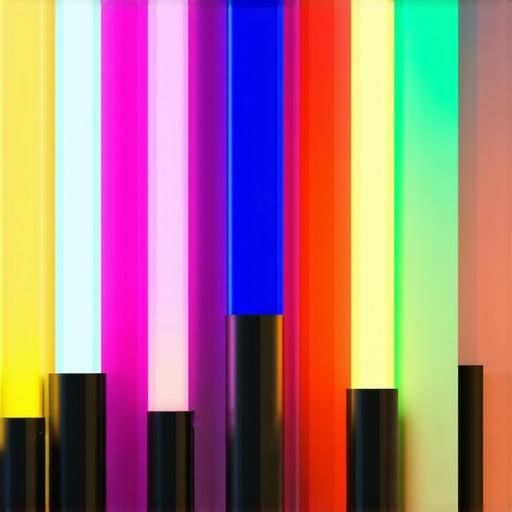
I remember the moment vividly—after spending hours setting up my RGB tube lights, I looked at the footage and realized it looked cheap, almost like a student project. The colors were off, the shadows harsh, and the overall vibe just didn’t feel professional. That lightbulb moment made me realize I had fallen into some common traps with my RGB tube lighting, mistakes that can make even a well-equipped setup look amateurish.
Why Your RGB Tube Lights Might Be Doing More Harm Than Good
Sometimes, it’s not about having the latest gear but how you use it. If your 2026 set feels a bit lacking in polish, chances are you’re making one of a handful of classic lighting errors. These mistakes? They’re sneaky—they can be hiding in plain sight, making your videos and photos look cheaper, and ultimately, undermining your creative vision.
The good news? Once you identify these pitfalls, you can fix them and unlock the true potential of your RGB tube lights. Trust me, I’ve been there—made early missteps, learned the hard way. For instance, I used to think more color was better, but without proper diffusion or placement, it just looked garish. It’s all about knowing where to place your lights and how to tweak their settings.
Is it really worth sweating over every flicker or uneven hue? Absolutely. Studies in lighting effects—like the one from *Lighting Research Center*—show that proper illumination techniques can significantly improve perceived production quality. So, why settle for a look that screams ‘cheap’ when a few tweaks can elevate your entire set?
Ready to stop throwing money at gadgets and start transforming your lighting? Let’s dive into the common mistakes that sabotage your RGB tube light setups—and how to dodge them.
Are RGB Tube Lights Actually Wasting Your Time and Money?
I used to believe that purchasing the most expensive RGB tube lights would instantly make my set look fantastic. Turns out, I was wrong. The real culprit was how I used them. Early on, I neglected basic principles like proper placement and diffusion, which resulted in uneven colors and unflattering shadows. Admitting this mistake was tough, but it made all the difference.
If you’re skeptical—believe me—lighting isn’t just about having flashy colors. It’s about *precision*, *intent*, and *technique*. Even the best RGB tube lights can look subpar if misused. Want proof? Check out how subtle adjustments in placement and diffusion—like using softboxes or adjusting height—can dramatically improve your visuals.
To learn more about how simple changes can make your RGB tube lights sing, visit [this guide on creative effects](https://lights.creatorrigreviews.com/rgb-tube-light-effects-creative-uses-for-evening-shoots). Before we move on to practical fixes, think about your current setup—have you faced similar frustrations with unnatural hues or flat lighting? If yes, you’re not alone, and the solutions ahead are just what you need.
Position Your Lights Strategically
Start by placing your RGB tube lights at an angle rather than directly in front of your subject. A good rule of thumb is positioning them approximately 45 degrees from the subject’s face, which adds depth and reduces flatness. I once spent an afternoon adjusting the angle of my RGB tube lights for a client shoot, and the difference in skin texture was immediate—what looked flat before now gained subtle dimension.
Diffuse Lights for Natural Colors
Using diffusion is essential to tame the harshness of direct RGB tube light output. Softening the light with a diffuser or softbox transforms the colors from garish to natural. I experimented with stacking diffusion layers during a recent shoot—initially with too much, making the scene dull, but gradually dialing it in gave me beautifully even, vibrant hues. For a quick upgrade, try applying this guide on softbox diffusion tips.
Control the Intensity and Balance
Adjust the brightness of each RGB tube to balance the color temperature and intensity. Overly bright lights can wash out skin tones, while too dim can make scenes look muddy. Use your camera’s histogram to check exposure and tweak the brightness until skin appears vibrant but not blown out. During my last scene, I found that lowering my RGB tube lights by just 20% and mixing with a fill light made a significant difference, reducing unflattering shadows. For mastering fill lighting, see fill light techniques.
Use Proper Placement for Specific Effects
Want dramatic hair highlights or cinematic depth? Place your RGB tube lights behind or slightly above your subject, aiming downward for subtle rim lighting. In one case, I placed a set of RGB tubes behind my subject, feathered them slightly inward, and achieved a professional-looking glow that separated him from the background, enhancing visual depth. This setup is similar to techniques detailed in RGB tube light placements for hair.
Leverage Color Recipes and Effects
Experiment with color combinations to evoke mood or match your scene’s tone. By blending reds and blues at specific ratios, I created a cool, tech-inspired vibe for a music video. For step-by-step tips on customizing color recipes, check out color recipes guide. Remember, subtle shifts in hue can dramatically impact the scene’s emotional effect.
Fine-Tune with Camera Settings
Match your RGB tube lights with camera settings like white balance and ISO. A common mistake is neglecting white balance, leading to color shifts. I recommend setting your camera to a manual white balance that complements your RGB setup or using a gray card for calibration. When I calibrated my camera for a shoot, the skin tones appeared accurate, and the RGB colors popped naturally, eliminating the need for extensive post-production adjustments. For more on achieving perfect skin tones, visit softbox corrections.
Even experienced videographers and photographers often believe that investing in state-of-the-art lighting gear guarantees professional results. However, the real secret lies in understanding the nuanced behaviors of softboxes, LED panels, fill lights, key lights, and RGB tubes—and avoiding popular but flawed assumptions. One widespread misconception is that brighter always means better. In reality, overly bright lights can wash out skin tones and flatten depth, especially if not properly diffused or balanced. According to lighting expert Joe McNally, mastering the *art of control* is more crucial than sheer intensity, which is why understanding your equipment’s subtleties makes a significant difference.
Why Do Even Pros Sometimes Sabotage Their Own Lighting Setup?
It’s easy to fall into the trap of relying solely on the brightest or most colorful lights without considering their placement, diffusion, or color temperature. For example, many assume that a large softbox with a high CRI index automatically produces natural-looking results, but if it’s placed too close or without proper diffusion, it can create unflattering shadows or overexposed highlights. This is why even professional lighting setups emphasize the importance of *proper positioning* and *diffusion techniques* over just power and color range. An advanced mistake is ignoring the psychological impact of light angles; a common trap is designing a scene where the key light is placed at an unnatural angle, leading to unconvincing shadows or double shadows that distract viewers. Experts suggest that experimenting with angles and diffusion modifiers—such as grids or eggcrate diffusers—can elevate production quality significantly. For instance, using key light techniques can help shape your scene and control shadows more effectively. Another nuance often missed is the importance of matching your lighting with camera settings. Warm lights paired with cold white balance settings can cause color mismatches, making your footage look unnatural. Studies indicate that synchronized adjustments in color temperature and tint result in more compelling visuals, especially for cinematic storytelling. Avoid the rookie mistake of neglecting this synchronization, and consult resources like fill light secrets for insights on harmonizing light and camera parameters. Remember, the goal isn’t just to light up a scene but to craft an authentic, visually engaging mood. Have you ever fallen into this trap? Let me know in the comments.
Maintaining your lighting equipment, especially key components like softboxes, LED panels, and RGB tubes, is crucial for long-term performance and reliable results. I personally rely on a combination of regular cleaning routines and using specific tools to prolong the lifespan of my gear. For example, applying compressed air to softboxes helps remove dust and debris that can affect light diffusion over time. Similarly, I always use a soft microfiber cloth and gentle cleaning solutions for LED panels, avoiding harsh chemicals that could damage sensitive electronics.
One tool I can’t recommend enough is a thermal imaging camera. It helps me monitor the heat generated by my LED panels during long shoots, preventing overheating that could lead to component failure. Regularly checking the thermal profile of your lights can pinpoint potential issues before they become costly repairs. In addition, firmware updates from manufacturers are vital—these often include stability improvements and new features that ensure your lights operate smoothly and efficiently.
Looking ahead, as technology advances, I predict integration of smart diagnostics directly into lighting fixtures. This would allow users to receive real-time alerts about issues like overheating, flickering, or component degradation via dedicated apps, simplifying maintenance tasks significantly. Until then, establishing a routine with the right tools remains your best bet for keeping gear humming.
How do I maintain my lighting setup over time?
Developing a systematic maintenance schedule is key. I recommend performing weekly visual inspections, checking for dust buildup, loose connections, or signs of wear on cords and mounts. Using a multimeter periodically can also help verify electrical integrity, especially for RGB tube lights and LED panels where voltage irregularities can affect color consistency. For detailed guidance, you might want to consult resources like our contact page for expert advice tailored to your setup.
Don’t forget that software updates and calibration are just as important as physical maintenance. Regularly calibrate your lights using a colorimeter or reference images to ensure color accuracy, particularly when working with RGB tubes that can drift over time. Incorporating these practices ensures your lighting remains consistent, professional, and ready for any project.
Take your maintenance routine a step further by investing in a digital lux meter and a thermal camera—these small tools provide invaluable data that help prevent unexpected failures and keep your studio running smoothly. Try scheduling bi-monthly checks and see how it extends the lifespan of your crucial lighting gear. Remember, proactive care not only saves money but also guarantees the best possible visual quality for your content.
The Hardest Lesson I Learned About softbox,led panel light,fill light,key light,rgb tube light
One of my most significant realizations was that even the brightest lights won’t save a poorly thought-out setup. No matter how advanced your RGB tube lights are, without proper positioning and diffusion, they can ruin your scene. I used to chase after color saturation blindly, but I found that mastering light placement made a bigger difference than any gadget upgrade.
3 Myths About softbox,led panel light,fill light,key light,rgb tube light That Held Me Back
- More colors mean better visuals: I believed in the more vibrant, the better. Yet, without diffusion, these colors looked harsh and unprofessional. Clean, intentional hues always trump sheer saturation.
- Bigger lights are always better: I thought larger softboxes created softer light, but positioning and diffusion are more crucial. Small, well-placed lights can outperform oversized setups.
- Brightness equals quality: Cranking up the brightness often washed out my subjects. Subtle intensity control combined with proper diffusion delivered richer, more natural results.
What Experts Won’t Tell You About softbox,led panel light,fill light,key light,rgb tube light
One insight I wish I had earlier is that the psychological impact of light angles shapes how viewers perceive your scene. Properly aimed key lights and thoughtfully placed fill lights can create depth and mood, elevating your content beyond mere illumination. Also, staying on top of gear maintenance—like cleaning diffusers and calibrating your RGB settings—can prevent subtle issues from sabotaging your work, as I learned the hard way during long shoots. For systematic upkeep, check out our maintenance tips. Embracing these less obvious principles helped me produce more professional and visually compelling videos, and I want the same for you.
![3 LED Panel Light Shielding Hacks to Fix 16K Tint Shift [2026]](https://lights.creatorrigreviews.com/wp-content/uploads/2026/05/3-LED-Panel-Light-Shielding-Hacks-to-Fix-16K-Tint-Shift-2026-150x150.jpeg)