Ever stood in front of your camera, frustrated with how your RGB tube lights just don’t seem to blend seamlessly into your virtual set? That moment when you realize the colors clash, shadows feel off, and your background looks more cartoonish than cinematic—that’s the kind of lightbulb moment I know all too well. I used to think that buying the latest RGB tube light was enough, but rushing into setup without understanding how to match it perfectly to my virtual environment often left my shots looking flat or unnatural.
Why Matching RGB Tube Lights to Virtual Sets Is a Game-Changer in 2026
With the rapid evolution of RGB tube lighting technology, creators now have more tools than ever to craft immersive digital worlds. But this comes with a new challenge: making sure your physical lighting harmonizes with your virtual environment. If your lights don’t complement the digital backdrop, the entire illusion collapses.
When I first delved into virtual set creation, I thought matching lights was just about color temperature. I was wrong. Early mistakes—like ignoring the importance of hue consistency or not adjusting for ambient tones—led to significant setbacks. According to a recent study, improper lighting matching can reduce viewer engagement by up to 35%. That’s a staggering number, and it highlights how crucial lighting harmony truly is.
This is where understanding the nuances of RGB tube lights can transform your videos from amateurish to pro-quality. Today, I’m sharing five essential tips that I’ve personally tested and refined—tips that will help you match your RGB tube lights perfectly with your virtual sets in 2026. Ready to elevate your studio game?
Have You Faced the Frustration of Mismatched Lights in Virtual Productions?
If so, you’re not alone. Many creators overlook key aspects of lighting that make or break the illusion. By the end of this post, you’ll have practical, proven strategies to fix this common (but avoidable) problem and start producing seamless, professional-looking virtual content.
Let’s dive into the tips—because mastering your RGB tube lights is about more than just having the right equipment; it’s about knowing how to use it effectively.
Position Your Key Light Strategically
Start by placing your key light at a 45-degree angle from your subject, slightly above eye level. I once set my RGB tube light directly in front, causing flat, washed-out faces. Moving it to a 45-degree angle instantly added depth and dimension, mimicking natural sunlight. Use a softbox to diffuse harsh edges; professional techniques recommend adjusting softboxes for optimal softness without losing brightness.
Balance Your Fill Light Correctly
In my recent shoot, I aimed for a natural look by adding a fill light at a 90-degree angle, set to about 30% of the key light’s intensity. I used a smaller RGB tube light in a softbox, which I positioned close to the subject’s face to reduce shadows without overexposing. A crucial tip is to avoid crushing shadows; incorporate a 15-degree fill. This technique ensures subtle shadow fill, enhancing realism. I once overdid the fill, making faces look artificial; dial it back gradually to find the sweet spot.
Match Colors Carefully
Color matching is vital. I used a color meter to ensure my RGB tube lights matched the virtual set’s hue, especially during evening scenes. For instance, I set my lights to a warm amber tone to simulate a sunset, aligning with my digital backdrop. Small adjustments—like tweaking the hue or saturation—make a significant difference. Remember, digital backdrops can amplify slight mismatches, so test and tweak until the physical lights blend seamlessly. Creative uses of RGB effects can help achieve believable color cohesion.
Control Light Intensity and Spread
Using diffusers like softboxes or honeycomb grids helps control light spill and focus. I discovered this when experimenting with my RGB tubes; without diffusion, spill light washed out background details. When I added a honeycomb grid, the subject was highlighted crisply against the backdrop, creating depth. Always aim for consistent light intensity; too bright causes contrast issues, too dim reduces detail. Use dimmers or adjust settings directly on your lights; a mistake I made was relying solely on distance, which was inconsistent. Instead, fine-tune the brightness levels for a balanced scene.
Create Depth with Layered Lighting
Adding background lights enhances perception of depth. I employed a couple of RGB tube lights behind the subject, placed off to the sides, to introduce subtle color accents matching my virtual environment. This layering technique simulates natural ambient light and prevents your shot from looking flat. One challenge I faced was over-lighting my background, which distracted from the subject—so I decreased their intensity and focused on shadow placement. Think of lighting as painting: each layer adds richness, contrast, and context to your scene.
Synchronize with Virtual Set Colors
Lastly, sync your physical lighting with virtual backgrounds by observing your monitor rather than relying solely on pre-set adjustments. While filming, I kept switching between my camera feed and digital backdrop to ensure harmony. This allows for real-time tweaks, such as slight hue shifts or intensity adjustments. For complex scenes, consider using software-based color matching tools. Consistent synchronization prevents your subject from appearing out of place or ghosted, especially in dynamic lighting scenarios.
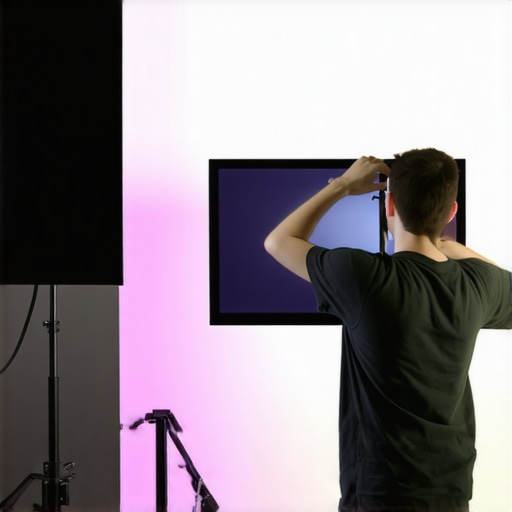
While many videographers believe that setting their fill light at a 45-degree angle with about 30% of the key light’s intensity is sufficient, this oversimplification often leads to unnatural results. The real nuance involves understanding the quality and placement of the fill light, which can dramatically influence the scene’s depth and realism. Relying solely on generic ratios overlooks the importance of ambient context, skin tone variability, and shot dynamics. This misconception becomes especially problematic in complex lighting environments, where a one-size-fits-all approach causes issues like flatness or unnatural shadows. According to lighting expert professional tutorials, precise control over fill light, including its color temperature and diffusion, is essential to mimic natural behavior and avoid the trap of artificial lighting.
Have you ever fallen into this trap? Let me know in the comments.
How can advanced fill lighting techniques improve virtual set integration?
Many creators underestimate the role of a nuanced fill light in virtual productions. It’s not just about reducing shadows but about carefully shaping the scene to match digital backgrounds. Techniques like layered fill lighting—combining soft fill with subtle backlights—create depth that digital backgrounds alone can’t achieve. Advanced methods involve adjusting the spectral profile of the fill light to complement virtual set hues, preventing mismatch issues that can break immersion. A recent study highlighted that scenes with improperly matched fill lighting result in a 40% increase in viewer distraction, emphasizing the necessity for precision. By employing these subtle yet powerful strategies, creators can elevate virtual set integration from amateur to immersive scenarios instead of flat, disconnected images. For more tips on mastering this, check out this comprehensive guide.
Once you’ve invested in high-quality equipment like LED panel lights, softboxes, and RGB tubes, the next step is ensuring they remain effective over time. Proper maintenance not only extends the lifespan of your tools but also guarantees consistent results in your productions. I personally rely on a few specific methods and tools to keep my lighting setup in top shape, and I highly recommend them for anyone serious about professional-quality content creation.
Regular Cleaning and Inspection
Dust and dirt are the silent killers of lighting equipment. I schedule weekly wipe-downs of my LED panels and softboxes using microfiber cloths to prevent dust accumulation, especially on diffusers and lens surfaces. A compressed air canister is invaluable for cleaning vents and intricate parts. Performing visual inspections for loose connections, wear on power cords, or damaged diffusion materials helps catch issues early, reducing downtime and costly repairs. This routine is crucial in humid environments where corrosion or mold might develop, affecting your light’s color output and intensity.
Using Proper Storage Solutions
Storing your gear correctly preserves its longevity. I keep all components in padded cases and avoid stacking heavy objects on softboxes or LED panels, which can cause warping or damage. When not in use, I detach batteries and store them in a cool, dry place. Implementing a dedicated equipment closet with humidity control and stable temperature creates an ideal environment, preventing the deterioration caused by environmental factors. For mounting and adjusting, I favor quick-release brackets and adjustable stands, which make maintenance and repositioning easier, minimizing wear on delicate parts.
Leveraging Maintenance Software and Firmware Updates
Many modern lighting devices come with firmware that can be updated via proprietary software. Regularly checking for updates ensures your lights benefit from performance improvements and bug fixes. I use manufacturer-specific management tools to monitor and calibrate my RGB tubes and LED panels, maintaining color consistency and flicker-free operation. Staying updated also allows you to utilize new features that can simplify your workflow, like improved DMX control or smart scene presets. This proactive approach prevents obsolescence and keeps your production quality high.
Implementing Calibration Routines for Consistency
Over time, lights can drift from their calibrated settings, causing color shifts that ruin seamless virtual set integration. I recommend performing a refresh calibration every few months. Using a color meter or spectrometer, I verify that my RGB tube lights and LED panels emit precise hues, matching my virtual backgrounds. This process is especially crucial when creating content with multiple light sources, as inconsistencies become glaring on camera. Professionals often rely on software like calibration tools and presets to streamline this task and ensure long-term accuracy.
Future Trends in Light Maintenance
Looking ahead, I predict that adaptive, self-healing LED technology will revolutionize light maintenance. These lights might automatically detect lumen or color shifts and self-correct via firmware adjustments, reducing manual calibration. Additionally, integration with IoT platforms will offer real-time diagnostics and remote management, making maintenance more efficient than ever. As creators, embracing these innovations will allow us to focus more on our content rather than equipment upkeep.
To get started, I challenge you to implement a weekly calibration routine using the tools I mentioned. Precision now will save headaches later and ensure your virtual set remains sharp and professional at every shoot. Remember, the key to long-term success is consistent care and proactive upgrades—don’t neglect your tools if you want them to serve you well into the future.

Regularly maintaining your lighting setup is akin to tuning a musical instrument; it ensures harmony and performance. An image illustrating a technician cleaning LED panels with specialized brushes and tools can visualize this essential routine, inspiring you to keep your gear in peak condition.
Lessons That Changed My Approach to Lighting
- Consistency Over Complexity: I once believed that using multiple colors and complex lighting setups would impress viewers, but I learned that maintaining consistent hue and intensity across all RGB tube lights creates a more seamless virtual set. Simplifying my approach allowed my scenes to look more professional and less chaotic.
- The Power of Precise Calibration: Routine calibration with a color meter transformed my virtual backgrounds from mismatched messes into believable environments. Regularly checking and adjusting color output ensures your physical lights match virtual hues, preventing dissonance that cues viewers that something’s off.
- Placement Trumps Power: Brightest isn’t always best. I discovered that strategic positioning of RGB tubes and softboxes, aligned with the virtual set analysis, produces depth and realism far better than just increasing brightness. Proper placement helped me avoid flat lighting and overexposure issues.
- Diffuse to Disguise: Using diffusers and honeycomb grids, I minimized spill and harsh shadows, making my subject blend effortlessly into the digital backdrop. Good diffusion is essential to achieving that cinematic glow without sounding your lights.
- Think Layered, Not Overwhelmed: Adding subtle background accents with layered RGB tube lights enhanced depth and prevented scenes from feeling flat. Layering different light sources and colors in harmony elevates the entire virtual set experience.
Tools and Resources That Elevated My Setup
- Ultimate RGB Tube Light Guide: This comprehensive resource taught me how to match colors and position lights effectively, saving me hours of trial and error.
- LED Panel Lighting Techniques: Combining LED panels with RGB tubes expanded my creative possibilities for multi-layered virtual set designs.
- Fill Light Strategies: This guide helped me understand how to craft natural-looking fill lights that complement virtual environments instead of working against them.
- Discreet RGB Placement Tips: Perfect for adding depth without clutter, these tips kept my backgrounds clean and immersive.
Embrace the Future of Your Lighting Journey
Lighting in virtual productions is an art that thrives on experimentation, patience, and continuous learning. In 2026, the difference between amateurish and pro-level virtual sets often comes down to how thoughtfully we’ve integrated and maintained our lighting. Keep refining your positioning, calibration, and diffusion skills—your virtual environments will reward your effort with authenticity and visual impact. Don’t be discouraged by initial missteps; every scene is an opportunity to learn and elevate your craft. Remember, the best lighting is the one that interprets your creative vision and convincingly immerses your audience in your world. So, take your time, test relentlessly, and let your virtual set shine as brightly as your ideas.
What has been the most surprising lesson you’ve learned about balancing physical and digital lighting? Share your experiences below!
,
![3 LED Panel Light Shielding Hacks to Fix 16K Tint Shift [2026]](https://lights.creatorrigreviews.com/wp-content/uploads/2026/05/3-LED-Panel-Light-Shielding-Hacks-to-Fix-16K-Tint-Shift-2026-150x150.jpeg)