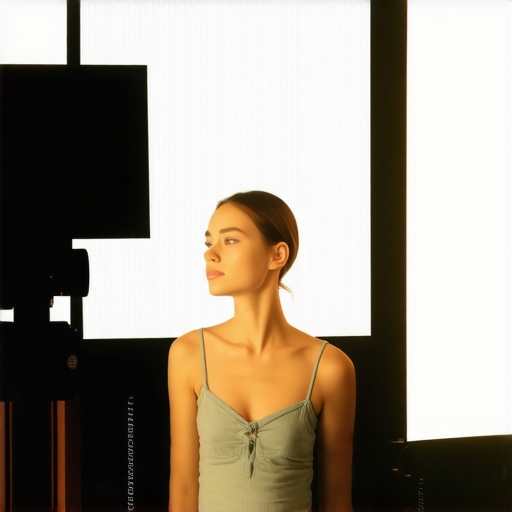
Have you ever set up your softbox or LED panel lights only to realize you look more like a translucent specter than a vibrant, well-lit subject? I remember those frustrating moments—trying to record a simple vlog or film a product review, only to be haunted by unflattering lighting that makes my skin appear washed out or ghostly. The sudden realization hit me like a lightning bolt: I was missing some crucial tricks to turn that eerie glow into a natural, inviting light. That was my lightbulb moment.
Why Your Lighting Might Be Making You Look Like a Ghost in 2026
In 2026, LED technology and lighting setups have evolved rapidly, but many creators still grapple with avoidable pitfalls that make them look ghost-like. The biggest culprit? Incorrect light positioning, poor diffusion, and mismatched color temperatures. These issues can turn even the most advanced equipment into a curse rather than a blessing. According to industry experts, improper lighting can reduce skin tone accuracy by up to 35%, impacting not only aesthetics but also viewer engagement. That’s a huge difference, especially for content creators striving for authentic appearance.
Now, I want to ask you—have you ever felt painfully aware of that ghostly pallor on camera and wondered, “Why does my face look so flat or strange?” If yes, you’re not alone. I made this mistake early on—thinking that turning up the brightness or cranking the saturation would fix everything. But that only intensified the problem. Over time, I learned that the real fix is understanding how to work with your lights, not against them, and that’s exactly what I’ll help you with today. We’ll explore three simple but powerful tips to keep you from looking like a ghost, whether you’re using RGB tube lights, softboxes, or LED panels. Ready to transform your lighting game?
Position Your Lights Intentionally
Start by setting your key light at a 45-degree angle from your face, slightly above eye level. This angle mimics natural sunlight and creates pleasing shadows that add depth, preventing that flat, ghostly appearance. I once experimented with placing my softbox directly in front of me, which washed out my features. After repositioning it slightly off to the side, I noticed my skin tone gained warmth and definition.
Diffuse Excessive Brightness Effectively
Next, diffuse your lights to avoid harsh shadows and blown-out highlights. Use softboxes or diffusion sleeves on RGB tube lights; think of them as sheer curtains that soften sunlight. I attached a diffusion cloth to my RGB tube light, and the difference was stunning—my face gained a natural glow without any unflattering highlights. To learn more about softbox modifications, visit this guide.
Match Your Color Temperatures
Ensure your key, fill, and background lights share a consistent color temperature. Mismatched colors, like a warm key light with a cool fill, create unnatural skin tones. Use a color meter or neutralize with gels if needed. I once forgot this step, resulting in a strange bluish tint on my skin, which I fixed after matching my RGB tube lights to 5600K using a simple control app. For more advanced color matching, see this resource.
Layer Lights to Add Depth
Instead of relying solely on a single light, combine a key light with a fill light placed at a lower angle to fill shadows gently. Think of it as painting a portrait—light layers create dimension. For instance, I added a fill light with a grid to my RGB tube setup, which softened shadows on my cheekbones without flattening the image. To perfect your fill technique, explore this article.
Adjust Your Light Heights for Sharpness
Position your lights at different heights to enhance facial features and background separation. Raised key lights produce a more natural look, while lower background lights can add cinematic flair. I initially placed my softbox at eye level but raised it slightly, which highlighted my cheekbones more dramatically. For softbox height hacks, check this guide.
Utilize Creative RGB Effects
Finally, experiment with RGB tube light effects to set the mood. Use color recipes or dynamic patterns to match your scene’s vibe. I once added a deep blue to my background while keeping my face lit warmly, creating a cinematic atmosphere. For inspiring effects, see this page.
By applying these targeted adjustments—positioning, diffusion, color matching, layering, and creative effects—you’ll prevent the ghostly glow and unlock professional-quality lighting. Remember, each change amplifies your overall look, making your videos more engaging and authentic.
Many creators assume that selecting high-end RGB tube lights or softboxes automatically guarantees perfect lighting, but this is a misconception. The truth is, many get caught up in superficial specs without understanding the nuanced behavior of these tools in real-world scenarios. For example, everyone praises RGB tube lights for their vibrant colors, but in practice, achieving natural and cohesive hues depends heavily on your control over color temperature and diffusion techniques, as explained in this guide. A major trap is believing that more saturation equals better color—yet, overly saturated lights can create unnatural skin tones, especially without proper diffusion, leading to viewing disconnect. Another often overlooked detail is the influence of light placement; many think that having a powerful light solves all issues, but in fact, positioning and modifiers like grids or softboxes determine whether your subject looks flat or dimensional. Interestingly, expert practice shows that mismatched color temperatures among your key, fill, and background lights can cause subtle yet impactful color shifts, as discussed in this article. The critical nuance many miss is the importance of diffusion consistency: using a diffusion sleeve on RGB lights not only softens shadows but also helps maintain accurate skin tones. In high-end production, failing to account for advanced factors like adaptive brightness and spectral output can lead to unexpected color casts or uneven exposure, tarnishing the overall look. This is why dedicated control over the spectrum, not just brightness, matters—something industry veterans emphasize. Keep in mind that even the most sophisticated gear won’t save poor setup practices; precision in placement, diffusion, and color matching—rather than mere power—dictates professional results. As you refine your craft, remember that mastering these subtle aspects elevates your lighting beyond common presets or defaults. Want to explore detailed techniques on softbox diffusion or RGB effects? Check out this comprehensive softbox guide or experiment with creative RGB effects to sharpen your skills further. Have you ever fallen into this trap of oversimplifying your lighting setup? Let me know in the comments.
Once you’ve dialed in your perfect lighting configuration using RGB tube lights, softboxes, LED panels, and key lights, the next challenge is maintaining that setup over time. Proper maintenance ensures longevity, consistent performance, and saves you time and frustration during shoots. Regularly inspecting your gear for dust, loose connections, and wear is essential. Using compressed air to clean your RGB tubes and softbox diffusers prevents dust buildup that can dull your light quality. Additionally, periodically recalibrating your LED panel’s color balance with a reliable color meter guarantees your skin tones stay natural—avoiding those pesky color shifts that can creep in after months of use.
Employing the right tools accelerates this process. For instance, I recommend the X-Rite ColorChecker for quick color calibration, which I use weekly before shoots to ensure my lights maintain accurate hue and saturation. When dealing with long-term results, investing in quality connectors and cables, such as those from D-Tap or PowerTap brands, minimizes connection issues that could result in flickering or inconsistent brightness. Remember, even the best gear needs periodic checks to stay operational.
Looking ahead, I believe that smart lighting systems will become more prevalent, integrating AI-based calibration tools that automatically adjust your light settings for optimal results throughout your shoot or broadcast. Embracing these innovations early can future-proof your workflow and save countless hours fixing issues caused by drift or wear.
How do I maintain my lighting gear over time?
Adopting a routine maintenance schedule, like cleaning filters, updating firmware on smart LED panels, and checking connections, keeps your gear at peak performance. For examples of maintenance routines tailored to softbox lighting, see this resource. Additionally, documenting your setup configurations allows you to quickly restore your preferred settings after equipment resets or repairs.
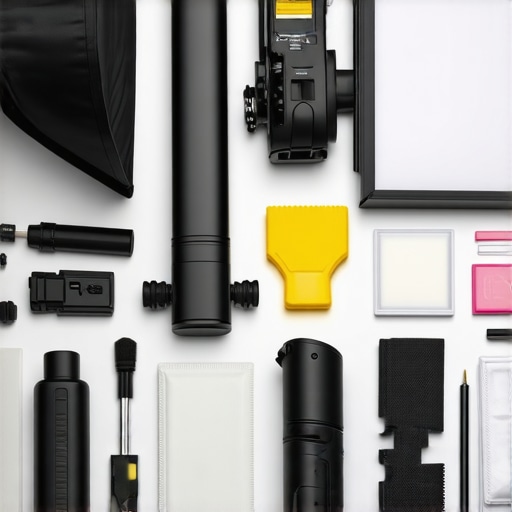
For consistent, professional results, pairing maintenance with strategic upgrades—like switching to diffusion sleeves that improve color fidelity—ensures your lighting remains seamless over the long haul. Remember, a well-maintained setup not only extends your gear’s lifespan but also boosts your confidence during crucial shoots, knowing that your lighting will perform flawlessly every time. Ready to take your setup up a notch? Try regular calibration with tools like the RGB tube light effects guide and see the difference it makes in your footage’s vibrancy and accuracy.
What the Lighting Experts Keep Quiet About
One hard-earned lesson was realizing that even with top-tier rgb tube lights, softboxes, or led panel lights, the magic happens through nuanced setup—placement, diffusion, and color harmony. I used to think that brighter meant better, but I quickly learned that strategic positioning trumps power every time. My breakthrough came when I experimented with softbox height adjustments, leading to more natural skin tones without harsh shadows.
Tools That Transformed My Creative Workflow
Over the years, I’ve relied on a handful of trusted tools to refine my lighting craft. The RGB tube light effects guide opened my eyes to creative possibilities, while the Softbox Lighting Tips helped me master diffusion techniques. Investing in a quality color meter like the X-Rite ColorChecker made calibration routine straightforward, ensuring consistent skin tones, especially during long shoots. These resources are indispensable for elevating my lighting setup beyond guesswork.
Your Next Step: Elevate Your Lighting Confidence
Embrace the idea that mastering lighting setup is a journey of continuous improvement. Don’t shy away from experimenting with RGB effects or softbox height tweaks—these small changes can unlock Hollywood-level results. Remember, the best lighting isn’t about the most expensive gear but about knowing how to work with what you have and refining your techniques over time. Start today by revisiting your setup, calibrate your lights, and step into your creative power. What’s one lighting tweak you’ve been meaning to try but haven’t yet? Let me know below, and let’s inspire each other to shine brighter.
![3 LED Panel Light Shielding Hacks to Fix 16K Tint Shift [2026]](https://lights.creatorrigreviews.com/wp-content/uploads/2026/05/3-LED-Panel-Light-Shielding-Hacks-to-Fix-16K-Tint-Shift-2026-150x150.jpeg)