How I Discovered the Magic of LED Panels and Key Lights
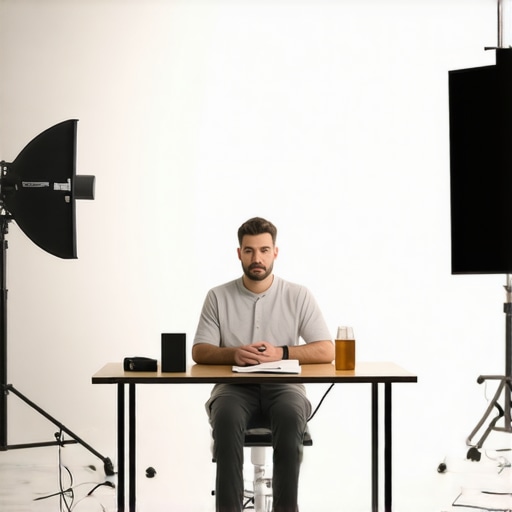
It all started when I decided to upgrade my home studio for content creation. I was overwhelmed by the myriad of lighting options, but I quickly realized that LED panels and key lights were game changers. I remember my first setup—an affordable LED panel I bought on a whim—that transformed my videos with soft, even lighting. Since then, I’ve dived deep into mastering light placement, color temperature, and creative techniques, and I want to share what I’ve learned for 2024.
Why LED Panels Became My Go-To Choice for Content Creation
One of the reasons I gravitated toward LED panels is their versatility. They are lightweight, energy-efficient, and adjustable, making them ideal for both indoor and outdoor shoots. I found that their ability to produce a broad spectrum of colors and brightness levels allowed me to craft a variety of moods and atmospheres. For instance, I often use RGB LED panels to add a splash of creative color, especially during evening shoots—check out some of the effects I achieved with RGB tube light effects.
Mastering the Art of Key Light Setup for a Natural Look
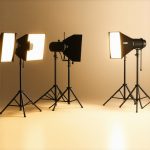
In my journey, I discovered that the key light isn’t just about illumination; it’s about storytelling. Achieving a natural yet cinematic look requires careful positioning, intensity control, and understanding of the scene. I’ve found that using a softbox as a key light creates a gentle, flattering glow—perfect for interviews or vlogging. I often refer to guides like this comprehensive softbox lighting guide for tips. When I want to elevate the atmosphere, I experiment with different angles and color temperatures, adjusting based on the time of day or mood I wish to convey.
What’s the Secret to Perfect Lighting in 2024?
Is it more about the equipment or the technique?
Honestly, I believe it’s a mix of both. While having quality LED panels and key lights is essential, understanding how to position and adjust them makes all the difference. For example, I often use top tips for LED panel setup to ensure my lighting complements the scene naturally. A well-lit scene feels effortless, but behind the scenes, it’s about patience, experimentation, and learning to read the light.
If you’re curious about the latest innovations, I recommend exploring the latest LED panel tech that can brighten your studio after midday, giving you more control over your shoot environment.
Let me know in the comments how your lighting journey is going or share your favorite tips! Lighting is an art, and every creator’s setup is unique. Remember, practice makes perfect, and the right lighting can truly elevate your content to new heights.
Unlocking the Potential of LED Panel Placement for Cinematic Excellence
One of the most nuanced aspects of lighting is understanding how to position your LED panels to craft a compelling visual narrative. For instance, a slight tilt or height adjustment can dramatically alter the mood, highlighting facial features or creating dramatic shadows. I often experiment with different angles—placing panels at eye level for a natural look, or overhead for a more dramatic effect. This technique is especially effective during evening shoots, where subtle light control can make or break the scene, as discussed in fill light techniques. Proper placement ensures your subject is illuminated evenly, avoiding harsh shadows while maintaining depth and dimension.
How to Maximize Color and Mood with RGB LED Panels
Incorporating RGB LED panels into your setup opens a world of creative possibilities. Adjusting hue, saturation, and brightness allows you to set the tone—whether it’s a warm sunset vibe or a cool, futuristic ambiance. A practical tip I often use is layering different colors to achieve complex moods. For example, combining a soft blue with subtle magenta can evoke a dreamy, surreal atmosphere, ideal for music videos or atmospheric vlogs. To deepen your understanding, explore RGB tube light effects and their creative applications. Remember, the key is to balance color intensity and avoid overpowering the scene, ensuring your audience remains immersed without distraction.
Can You Really Achieve Natural Lighting Effects with Artificial Lights?
What’s the secret to blending artificial and natural light seamlessly?
This is a question I get asked often. The answer lies in understanding light quality, direction, and color temperature. For instance, during late afternoon shoots, mimicking the warm glow of sunlight requires adjusting your LED panels to match the natural light’s color temperature—usually around 3000K to 4000K. Using tools like key light techniques, you can position lights to complement existing natural light, avoiding the artificial-looking glow that can spoil an otherwise authentic scene. A helpful tip is to observe how sunlight behaves—its softness, intensity, and angle—and replicate those characteristics with your LED setup. This technique not only enhances realism but also adds depth to your visuals.
For detailed guidance, I recommend checking out the softbox lighting tips. Softboxes diffuse light beautifully, creating a natural, gentle illumination that’s often indistinguishable from daylight. Experimenting with these tools and techniques is essential for mastering seamless light blending, which elevates your production quality and maintains viewer engagement.
If you’re eager to improve your lighting game further, consider exploring dedicated resources on the latest LED innovations, such as brightening your studio after midday. The right equipment combined with expert technique can transform even challenging lighting conditions into cinematic opportunities. Share your lighting challenges or successes in the comments—I’d love to hear your experiences and suggestions for mastering light in 2024!
Embracing the Subtle Art of Light Modulation and Its Personal Significance
Over the years, I’ve come to realize that lighting isn’t merely about illumination; it’s a silent storyteller that adds depth, emotion, and authenticity to every frame. My journey into mastering LED panels and key lights has been a deeply personal one—each experiment, misstep, and breakthrough shaping my understanding of visual storytelling. For instance, I recall a shoot where I struggled to blend natural and artificial light seamlessly. It was then that I truly appreciated the importance of nuanced light modulation—adjusting intensity, color temperature, and angles—not just to illuminate but to evoke feelings. This meticulous process has profoundly influenced my creative confidence and continues to inspire me to push boundaries.
Deepening My Understanding: The Complexity of Light Placement and Its Creative Implications
One of the most rewarding aspects of working with LED panels is discovering how even slight adjustments in placement can dramatically alter a scene’s mood. I often find myself experimenting with different heights and angles—placing panels just above eye level for a natural look or angling them for dramatic shadows. For example, during a recent outdoor shoot, I used a combination of fill and key lights to mimic the golden hour glow, despite shooting in the late afternoon. This hands-on experience reminded me that mastery lies in understanding the subtle interplay of light and shadow, a principle rooted in classic cinematography but amplified with modern LED technology. If you’re curious about how to perfect your setup, exploring top LED panel setup tips can offer valuable insights.
Reflections on the Power of Color and Mood Manipulation with RGB LED Panels
Color, to me, is one of the most potent tools in a creator’s arsenal. RGB LED panels have opened up a universe of possibilities—allowing me to craft atmospheres that resonate emotionally with viewers. I vividly remember experimenting with layered hues, combining soft blue and magenta to evoke a surreal, dreamlike quality in a music video. This process is as much about intuition as technique; balancing saturation, hue, and brightness to avoid overwhelming the scene. The key, I’ve learned, is moderation—using color as a subtle accent rather than the focal point. For those eager to explore further, I recommend checking out RGB tube light effects to inspire your creative experiments.
Balancing Artificial and Natural Light: A Personal Approach to Authenticity
One of the ongoing challenges in my work is seamlessly blending artificial and natural light. Achieving this harmony requires a deep understanding of light quality, directionality, and color temperature. I often observe how sunlight behaves during different times of the day—its softness, warmth, and angle—and try to replicate these conditions with my LED setup. During a late afternoon shoot, I set my key light to around 3500K, mimicking the warm glow of setting sun, then subtly adjusted my fill to match the ambient light. This process of mimicking natural light not only enhances realism but also deepens the emotional impact of my scenes. For detailed guidance, exploring softbox lighting techniques can be invaluable for achieving soft, natural effects.
Ultimately, I believe that the true magic of lighting lies in the delicate balance between equipment and technique. Each scene offers a unique challenge, demanding flexibility, patience, and a keen eye for detail. Whether you’re adjusting the tilt of a panel or experimenting with color layering, every small step contributes to a more compelling visual narrative. I encourage you to share your experiences and insights—lighting is a personal journey that evolves with practice. Remember, the right lighting doesn’t just illuminate; it elevates your storytelling, making every frame resonate deeply with your audience.
Harnessing the Power of Light Modulation for Cinematic Depth
One aspect of advanced lighting that truly transforms my creative process is the nuanced modulation of light intensity and color temperature. It’s not merely about illuminating a subject but sculpting the scene’s emotional landscape. For example, subtle dimming of LED panels during a scene can evoke intimacy or tension, much like how seasoned cinematographers manipulate practical lights to craft mood. I often employ dimming techniques in conjunction with color temperature adjustments—shifting from warm 3200K to cooler 5600K—to mirror natural transitions and enhance realism. This layered approach allows for dynamic storytelling, especially in narrative-driven content where mood shifts are pivotal.
The Art of Precise Light Placement: Beyond the Basics
Mastering light placement is an ongoing journey of experimentation and observation. I have found that even minor changes—such as angling a panel a few degrees or elevating it slightly—can dramatically alter the visual impact. During a recent project, I positioned a key LED panel at a 45-degree angle above eye level, creating soft shadows that added depth without harshness, reminiscent of classic Rembrandt lighting. This technique, supported by insights from industry standards like those discussed in top LED panel setup tips, emphasizes the importance of understanding light falloff and shadow geometry. The challenge lies in balancing shadow detail with even illumination, especially in confined or complex environments.
Can RGB LED Panels Truly Convey Complex Moods?
Absolutely. RGB LED panels are my preferred tool for mood manipulation because of their versatility. By layering hues and adjusting saturation, I can craft atmospheres that resonate on a subconscious level. For instance, blending deep magentas with subdued blues can evoke a surreal, introspective vibe, perfect for artistic videos or emotional storytelling. To achieve this, I often experiment with effects like gradual color shifts or synchronized flickering, inspired by the creative applications detailed in RGB tube light effects. The key is moderation—using color accents sparingly to enhance, not overwhelm, the scene’s narrative.
How Do You Seamlessly Integrate Natural and Artificial Light?
What are the most effective techniques to blend these elements convincingly?
Blending artificial and natural light is a craft that demands patience and precision. My approach involves meticulous observation of natural light conditions—its softness, warmth, and direction—and then replicating those qualities with my LED setup. For example, during late afternoon shoots, I adjust my key light to around 3500K and position it to mimic the sun’s angle, complemented by a fill that matches ambient light levels. Softboxes are invaluable here, as they diffuse light to emulate sunlight’s gentleness, as explained in softbox lighting techniques. Achieving this harmony results in visuals that feel authentic and immersive, enhancing viewer engagement and emotional resonance.
Furthermore, employing tools like reflectors or bounce boards can help redirect light subtly, adding depth and avoiding flatness. The goal is to create a seamless transition where the viewer perceives the scene as naturally lit, yet with a controlled cinematic aesthetic. This delicate balance is often the difference between a good shot and a visually compelling masterpiece.
The Personal Significance of Light as a Storytelling Tool
Over the years, I have come to see light not just as a technical element but as a silent narrator that conveys mood, focus, and emotional subtext. My journey has been one of continuous learning—each project revealing new nuances about how light interacts with subjects and environment. For instance, I recall a shoot where I intentionally used minimal fill to cast shadows on my subject’s face, accentuating vulnerability and introspection. Such choices are deeply personal, rooted in understanding the story I want to tell and how light can amplify that narrative. It’s a discipline that has profoundly deepened my creative confidence and inspired me to push boundaries continually.
Refining Light Placement for Cinematic Impact
Precision in light placement remains one of the most rewarding challenges. I often experiment with different heights and angles—placing panels just above eye level for a natural glow or at oblique angles to create dramatic shadows. During an outdoor shoot, I mimicked the golden hour effect by strategically positioning a soft LED panel to mimic the sun’s warm, diffuse light, despite the timing being late afternoon. This practice aligns with foundational principles in cinematography, emphasizing the importance of light falloff and shadow control, as discussed in top LED panel setup tips. Such meticulous placement ensures your scene’s depth and dimensionality, elevating the story visually.
The Emotional Power of Color Layering with RGB Lights
Color layering with RGB panels offers a potent means of emotional storytelling. I often combine multiple hues, such as cool blues with subtle magentas, to evoke a dreamy, introspective atmosphere. This process demands a keen eye for balance—over-saturation can distract, while subtlety enhances immersion. Inspired by innovative techniques in creative RGB applications, I encourage creators to experiment with gradual transitions and synchronized effects to deepen mood complexity. Remember, the goal is to use color as an expressive accent—an emotional brushstroke—rather than the entire canvas.
Seeking Authenticity: The Dance of Artificial and Natural Light
The quest for authentic-looking scenes often involves a delicate dance between artificial and natural lighting. My secret lies in studying how natural light behaves during different times of the day—its softness, warmth, and angle—and then replicating those qualities with precision. During a recent dusk shoot, I calibrated my LED panel to 3000K and positioned it to mimic sunset’s golden hue, subtly adjusting intensity to match ambient conditions. This technique, supported by insights from softbox lighting tips, helps bridge the gap between reality and cinematic artistry. The result is a scene that feels both natural and emotionally compelling, engaging viewers on a deeper level.
In essence, mastering this balance elevates your storytelling, transforming everyday lighting challenges into opportunities for creative expression. I invite you to explore these techniques further and share your experiences—light, after all, is the most silent yet powerful storyteller in your arsenal.
Things I Wish I Knew Earlier (or You Might Find Surprising)
Trust Your Instincts Over Equipment
One of the biggest revelations in my lighting journey was realizing that having the most advanced LED panels isn’t enough. Sometimes, trusting your intuition and experimenting with placement can make a world of difference. I used to spend hours tweaking settings, but I found that a simple adjustment of angle or distance often yielded better results than fiddling with dials. This personal insight taught me that technique often outweighs gear, and a curious mind can unlock creative lighting solutions.
Natural Light Is Your Best Teacher
I used to think artificial lights needed to mimic natural sunlight perfectly, but I discovered that observing natural light during different times of the day can teach you more than any tutorial. Watching how sunlight diffuses at dusk or glows at dawn inspired my setups. When I tried replicating these conditions with my LED panels, the results felt more authentic, and my scenes gained emotional depth. Natural light remains an invaluable reference point for any creator.
Color Matters More Than You Think
Layering colors with RGB LED panels opened my eyes to the power of mood manipulation. I was surprised by how subtle shifts in hue or saturation could transform a scene—from a cool, futuristic vibe to a warm, cozy atmosphere. It’s easy to overdo it, but moderation is key. Learning to balance color accents allowed me to craft immersive visuals that resonate emotionally, a technique I now use regularly.
Placement Can Make or Break Your Scene
Even minor adjustments in light placement can dramatically change the scene’s mood. I remember positioning a key light just above eye level for a soft, natural look, which made my subject feel more relatable. Conversely, angling lights for dramatic shadows added intensity to another shot. Experimenting with height and angle taught me that thoughtful placement is essential for storytelling through light.
Blending Artificial and Natural Light Is Artful, Not Difficult
My most surprising discovery was how seamlessly I could blend artificial and natural light by observing natural conditions and adjusting my LED panels accordingly. Matching color temperature and diffusion was my secret weapon. Once I got the hang of it, my scenes looked more realistic and emotionally compelling. This approach requires patience but rewards you with authentic visuals that engage viewers on a deeper level.
![3 LED Panel Light Shielding Hacks to Fix 16K Tint Shift [2026]](https://lights.creatorrigreviews.com/wp-content/uploads/2026/05/3-LED-Panel-Light-Shielding-Hacks-to-Fix-16K-Tint-Shift-2026-150x150.jpeg)
2 responses to “Ultimate Guide to LED Panel & Key Light Setup for Creators in 2024”