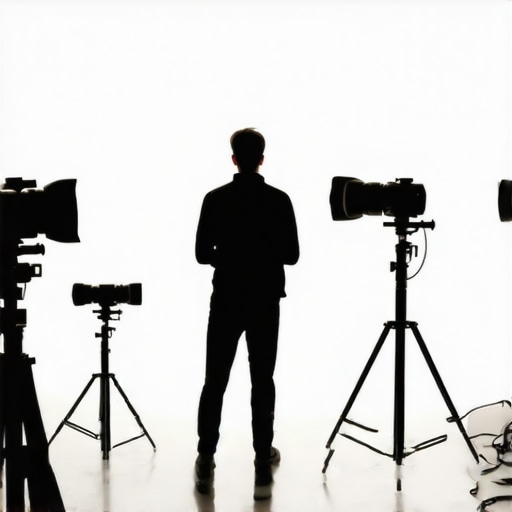
I still remember the frustrating night I tried to shoot a quick interview. The lighting was just not cooperating. Softboxes flickered, RGB tubes looked flat, and my LED panel cast harsh shadows that turned my subject’s face into a grimace. It was a moment of realization—despite all the gear, I was missing a simple, effective setup that could transform my shots in just three minutes. That’s when I discovered the power of a well-executed key light setup, especially for cinematic talk-heads in 2026.
Why You Can’t Afford to Overcomplicate Lighting
Lighting shouldn’t be the headache it often becomes. When I first started, I wasted so much time fiddling with softboxes or endlessly adjusting RGB tube lights, trying to get that perfect look. The truth? Most of the time, simple is better—and the secret is mastering a fast, effective 3-minute key light setup. This technique not only saves time but guarantees a superior cinematic look, especially in tight interview settings or talking head videos where every second counts.
Is Your Lighting Routine Actually Holding You Back?
Early on, I made the mistake of relying solely on my softbox, thinking it was enough to produce professional results. Turns out, I was accidentally creating double shadows and washed-out skin tones, all because I neglected proper placement and the right temperature. This lit a fire under me to learn quick tricks—like proper key light techniques—which I now share with fellow creators. If you’ve ever faced similar struggles, you’re not alone.
By understanding and implementing a 3-minute setup, you can elevate your videos from amateur to cinematic. Ready to stop wasting time and start shining? Let me walk you through the essentials that transformed my filming sessions—and could do the same for you.
.
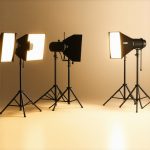
Choose a soft, diffuse light source like a softbox to emulate natural sunlight. Place it at a 45-degree angle to your subject’s face, slightly above eye level. This angle casts flattering shadows and adds depth. During a recent shoot, I set up my softbox this way, elevating my shot from flat to cinematic in under three minutes. Use a softbox with a grid to control spill and focus light precisely.
Implement a fill light to soften harsh shadows created by your key. A small RGB tube light or LED panel works well for quick setups. Position it opposite the key light, but keep it less intense—around 50% of the key’s brightness. This balances the contrast and ensures your subject isn’t overexposed or underlit. During my shoot, I used an LED panel as fill, which quickly brightened shadowed areas without adding complexity.
Diffusion is key to achieving cinematic softness and avoiding harsh highlights. Use a small softbox or an RGB tube light with a diffusion sleeve—this helps create flattering, even lighting on skin. In a messy setup, I wrapped a diffusion cloth around my softbox, which eliminated glare and made skin tones pop. If you’re using a softbox, consider diffusion tips to perfect your look rapidly.
Slam your key light close enough—about 2 to 3 feet from your subject. This proximity increases light intensity and reduces shadows, giving that cinematic glow without fuss. I once shot an interview in a cramped corner, kept my softbox within 2 feet, and instantly added depth. This simple rule, detailed in distance hacks, is your secret weapon for fast cinematic results.
Once your main setup is in place, tweak the angles slightly to eliminate squinting or distracting shadows. Slightly tilting or raising your softbox can soften eye shadows and prevent raccoon eyes. I prefer to shift my key light just a few inches and observe the changes through the camera viewfinder. Remember, rapid adjustments are the backbone of fast, cinematic talk-head lighting setups, as emphasized in key light hacks.
Use lightweight, quick-setup equipment like portable softboxes and RGB tube lights with magnetic mounts. Keep cables tidy and positions pre-measured. That way, you’re ready to execute this setup in just a few minutes, even in spontaneous shoots. During my last on-the-fly interview, I pre-packed a compact kit, and in less than three minutes, I had cinematic lighting—proving that speed doesn’t sacrifice quality.
While many creators follow standard lighting setups, there are subtle nuances and oft-overlooked pitfalls that can compromise your cinematic quality. A prevalent myth is that increasing the brightness of your fill light always results in more natural skin tones. In reality, overusing fill can flatten your image, washing out shadows that add depth and dimension. Achieving a balanced look requires understanding how different light sources interact, especially when working with RGB tube lights or LED panels. This is why mastering key light positioning and intensity control is essential to prevent common mistakes and elevate your visuals.
Are Softboxes Always Better Than LED Panels for Cinematic Lighting?
Contrary to popular belief, softboxes are not universally superior. While they excel at creating smooth, diffused light, they can also introduce unintended issues like light spill or dullness if not carefully positioned. LED panels, on the other hand, offer versatility with adjustable color temperatures and intensity, especially with recent innovations highlighted in new LED panel models. The key is knowing how to leverage each tool’s strengths without falling into the trap of over-reliance. For advanced shooters, blending softbox diffusion with RGB tube effects can yield cinematic results that stand apart from typical setups.
One common mistake is assuming that high CRI (Color Rendering Index) lighting automatically ensures natural skin tones. Yet, as explained by lighting experts, the quality of diffusion and color consistency often play a bigger role than CRI alone. Using RGB tube lights in creative ways requires understanding how their color performance impacts overall footage. A mismatched color temperature between your key and fill lights can cause unnatural tints, which are surprisingly hard to fix in post-production, emphasizing the importance of proper setup.
Playing with Light Placement: The Fine Line
Advanced creators often underestimate how small positional shifts can influence shadows and highlights, leading to unwanted glare or dim patches. For example, angling your softbox slightly too high or too low can create raccoon eyes or squinting, which distract viewers. Precise placement, complemented by quick adjustments as demonstrated in softbox angle tweaks, can save hours of post-editing. Remember, lighting isn’t just about power but about unobtrusive placement that enhances facial features naturally.
Finally, avoid the trap of neglecting diffusion materials on RGB tube lights. Without proper diffusion, their vibrant color effects can appear flat or harsh, contrary to the cinematic softness you aim for. As detailed in diffusion strategies for RGB lighting, subtle diffusion sleeves or softboxes around tubes elevate your footage from amateur to professional. Mastering these nuances ensures you’re not just illuminating but sculpting your scene with deliberate, high-quality light.
Are you cautious about these common pitfalls? Have you ever fallen into this trap? Let me know in the comments and share your experiences with these lighting nuances.
,
Investing in quality lighting gear is only half the battle; maintaining that equipment ensures you deliver consistent, professional results over time. Regular upkeep of your softboxes, key lights, RGB tubes, LED panels, and accessories is essential to preserve their performance and extend their lifespan. One practical tip is to implement a cleaning routine that includes dusting softbox diffusers with a soft brush and inspecting LED panel surfaces for signs of overheating or dirt buildup. This simple habit prevents preventable issues like flickering or color shifts, which can undermine your production quality. Contact support if you notice persistent flickering or color inconsistencies—they might require professional servicing or component replacement. Additionally, double-check your power supplies and cables periodically to prevent shorts or voltage irregularities that could damage your lights. Remember, a well-maintained setup saves you time and money in the long run, and ensures your cinematic vision remains uncompromised.
How do I keep my lighting gear reliable as my setup scales?
As your studio equipment grows, adopting a systematic maintenance schedule becomes even more critical. Use labelings, such as color-coded zip ties or magnetic labels, to organize cables and prevent accidental disconnections or damage. Regularly test your lighting control software, like those integrated with modern LED panels, to ensure firmware updates do not introduce bugs or compatibility issues. Embracing a preventative maintenance approach—like replacing worn-out diffusion sleeves before they crack—can save you from costly repairs. Looking ahead, I predict that emerging innovations, such as self-cleaning coatings on LED surfaces and smart diagnostic tools for real-time equipment health monitoring, will revolutionize how filmmakers manage their gear. For now, committing to routine checks according to manufacturer guidelines, like those outlined in the LED panel care tips, will help you keep your tools in top shape. Try scheduling a quarterly deep-clean and visual inspection to catch minor issues before they become major setbacks.
Lessons from the Field That Changed My Approach
- Realizing that overcomplicating my lighting rig only slowed me down, I embraced simplicity and focused on mastering quick, effective setups that deliver professional results without the fuss.
- The pivotal moment came when I understood that positioning and diffusion matter more than the number of lights or their wattage. Small tweaks, like adjusting the softbox angle, transformed my footage instantly.
- Investing in quality gear is essential, but maintaining it diligently—regular cleaning and checks—ensures consistent cinematic quality and long-term savings, avoiding unexpected malfunctions.
- Connecting with a community of creators and studying their setups revealed nuanced tricks that I incorporated into my workflow, elevating my content with minimal added effort.
My Favorite Sources for Lighting Inspiration
- Mastering softbox lighting tips: This resource offers practical advice on diffusing light for perfect portraits and is my go-to for quick, stunning results in studio shoots.
- Creative RGB tube effects: A treasure trove of innovative techniques to add vibrancy and mood with RGB tubes, pushing creative boundaries beyond standard setups.
- LED panel innovations: Staying updated with the latest in LED technology helps me leverage programmable, color-changing panels that save time and enhance production quality.
- Professional maintenance routines: Regular care guides prevent gear downtime and ensure my setup remains reliable during critical shoots.
Your Next Light Might Be Your Secret Weapon
Don’t let the perceived complexity of cinematic lighting hold you back. With a strategic, 3-minute setup, you can elevate your videos from basic to breathtaking. Remember, the right placement, diffusion, and a bit of practice are all it takes to craft professional-looking content quickly and confidently. Keep experimenting, stay curious, and let your lighting tell your story. How do you plan to transform your lighting routine today? Drop your thoughts below and share your experiences—let’s learn together!
,
![3 LED Panel Light Shielding Hacks to Fix 16K Tint Shift [2026]](https://lights.creatorrigreviews.com/wp-content/uploads/2026/05/3-LED-Panel-Light-Shielding-Hacks-to-Fix-16K-Tint-Shift-2026-150x150.jpeg)

One response to “The 3-Minute Key Light Setup for Cinematic 2026 Talking Heads”