
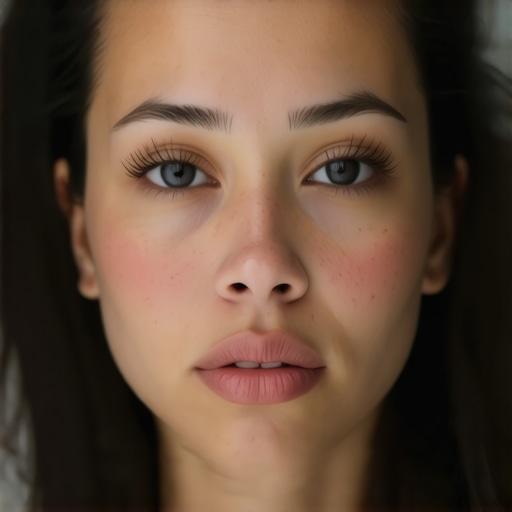
Ever spent hours tweaking your lighting setup, only to end up with a flat, lifeless face that looks like it was lit by a spotlight gone rogue? I remember my own frustration—constantly battling harsh shadows and uneven skin tones that just wouldn’t cooperate, no matter how many softboxes or RGB tubes I threw into the mix. One day, after a particularly stressful shoot, I had a lightbulb moment: there’s a simple, almost overlooked rule that can transform your lighting, making your subjects look natural and flattering without all the fuss. And that’s when I discovered the power of the 15-degree fill light rule for 2026.
Why Lighting Angles Can Make or Break Your Portraits
In the world of video and photography, lighting isn’t just about brightening a subject—it’s about shaping the image in a way that resonates naturally with the viewer. I learned early on that the way light hits a face affects how we perceive it: harsh, direct lighting can create unflattering shadows, while overly soft or flat lighting might make everything appear dull. Striking the right balance is an art—and understanding the why behind the angles is essential. When I started experimenting with fill light positioning, I found that a small adjustment—around 15 degrees—could dramatically improve the depth and dimension of my shots.
Research suggests that proper lighting can increase viewer engagement and emotional connection. A study by the American Society of Cinematographers highlights that subtle shifts in fill light angles can make faces more expressive and personable, enhancing storytelling and audience retention. But a common mistake many creators make early on is placing the fill light directly in front or at too steep an angle—resulting in flattened features or awkward shadows. I was guilty of this myself, which is why I want to share what I’ve learned to help you avoid those pitfalls.
Is the 15-Degree Rule Really Worth the Hype?
I admit, I was skeptical too. It seemed too simple, almost too good to be true. But trust me, once I incorporated this small angle tweak into my setup, everything changed. Faces gained natural highlights and shadows, creating that cinematic depth that makes your subjects come alive on camera. If you’ve ever felt frustrated with your lighting, questioning if there’s a better way, you’re not alone. Many creators fall into the trap of overcomplicating things when sometimes, a tiny adjustment can make all the difference.
To be honest, my early mistake was ignoring the importance of precise fill light positioning—thinking more was better, or relying solely on softboxes without considering angle. That’s a mistake I see too often. So, if you’re ready to elevate your lighting game and create portraits that truly pop, stay tuned. I’ll walk you through the step-by-step process of mastering this 15-degree fill light technique, so your videos look professional and natural every single time.
Have you faced struggles with flat or harsh lighting? Let’s fix that with a simple, effective rule that works in 2026 and beyond. And if you’re eager to explore more advanced lighting strategies, check out our softbox and RGB tube light secrets for creating depth and dimension in your videos.
Position Your Fill Light Precisely
Start by setting up your main key light at approximately 45 degrees to your subject’s face. Then, place your fill light about 15 degrees off to the side—think of it as giving your subject a gentle side hug of light to bring out natural contours. Use a light stand and a protractor or an app to measure that exact 15-degree angle, ensuring consistency across shoots. I once jerry-rigged a protractor from a cardboard piece and a hinge, which helped me visualize and measure the precise angle—initially a bit messy but effective. Once positioned, aim the fill light directly toward the face, not the floor or ceiling, to control shadows effectively.
Select the Right Light and Modifiers
Choose a soft, diffuse light source such as an appropriate softbox or an RGB tube light with diffusion. The goal is to replicate natural, gentle illumination. I often use a softbox attached to an LED panel to achieve a broad, even spread that eliminates harsh shadows. If space is tight, a smaller softbox or an umbrella reflector can work, but make sure the diffusion is sufficient to avoid stark shadows—this is where a diffusion accessory becomes invaluable. Remember, the softer the light, the more forgiving and natural the result.
Fine-Tune Your Light’s Power Bridge
Calibrate your fill light’s brightness to be softer than your key light but still noticeable. Think of it as adding a gentle breeze instead of a gust—just enough to lift shadows without overpowering. Use your light’s dimmer or adjusting the distance—moving it slightly closer or farther—to control intensity, aiming for a subtle fill that preserves depth. I once kept my fill too bright and flattened the subject’s features, so I lowered its output until shadows had gentle definition. This balance creates a pleasing three-dimensional look, making your subject appear naturally lit rather than painted on.
Use Flags and Barn Doors to Control Spill
Control where your fill light lands. Attach flags or barn doors to your softbox or RGB tube light to prevent light spill onto backgrounds or other unwanted areas. This focused control helps maintain contrast between your subject and the background, adding depth. I often rig a black foam board to block stray light while adjusting the angle, ensuring only the face gets the gentle fill. This precise control enhances the three-dimensionality of portraits and prevents flattening that can occur if light leaks everywhere.
Apply and Readjust During the Shoot
Once set, take a test shot, review the image critically, and tweak the fill’s position, angle, or brightness accordingly. Small, iterative adjustments—like a millimeter of movement or slight dimming—can make the difference between flat and cinematic. During one shoot, I initially placed the fill directly beneath the camera’s line of sight, which created unflattering shadows under the chin. Moving it just 15 degrees and softening the power before reshooting instantly improved the dimension. Remember, lighting is dynamic—what works in theory might need subtle real-time adjustments.
Check the Effect from Different Angles
Walk around your subject or take shots from various perspectives to ensure your fill light flatters from all sides. Sometimes, what looks good head-on can look harsh or unnatural from the side. This comprehensive check ensures consistency and a natural feel. I once thought I nailed the setup, only to realize from a side angle that shadows were still too pronounced, prompting me to tweak the angle slightly further.
Integrate these steps into your routine, and you’ll see your portraits gain that sought-after natural richness. The 15-degree rule isn’t just a number—it’s a tool for creative control that, once mastered, can elevate your lighting game significantly. For more advanced techniques, explore our comprehensive guides on key light positioning and filling shadows effectively. Happy shooting!”}**}#END/*
While most videographers and photographers understand the basic principles of lighting, many fall prey to misconceptions that hinder their results. One common myth is that brighter always equals better, leading creators to overreach with powerful RGB tube lights or excessively high LED panel settings. In reality, more light can wash out skin tones and flatten details, making expert modulation far more effective than brute force. For instance, controlling the quality of light—its diffusion, angle, and color temperature—transcends mere brightness, ensuring your images retain natural depth and vibrancy. Experts like David Mullen ASC emphasize that nuanced lighting adjustments often distinguish amateur work from professional-grade visuals, illustrating why mastering these subtleties is critical for elevating your craft.
Another trap is the assumption that all softboxes and modifiers universally produce soft light. While softboxes are designed to diffuse light, the quality of diffusion depends heavily on diffusion material, size, and proximity to the subject. An undersized softbox or one placed too far from your subject can create harsh shadows or uneven illumination—issues that seem counterintuitive but are entirely fixable through proper setup and understanding of light falloff principles. Achieving a natural skin tone or cinematic depth often hinges on fine-tuning these modifiers, rather than relying solely on their existence.
Is It Better to Use Continuous or Strobe Lighting for Precise Control?
This question puzzles many: should you opt for consistent continuous lighting like LED panels and RGB tube lights, or stick with strobes? While strobes offer immense power and color accuracy, they lack real-time feedback, making fine adjustments more challenging. Conversely, continuous lights allow immediate visual feedback, enabling precise placement and adjustments—crucial for achieving natural, flattering results. However, continuous lights can introduce flicker issues or color shifting if not properly calibrated, as highlighted in a recent study on LED flicker perception (see here). Choosing the right setup depends on your workflow, but understanding the limitations and advantages of each, along with proper diffusion—like our guide to softbox techniques—can significantly enhance your results.
Many creators also overlook the importance of color temperature consistency. Using mismatched color temps between your key, fill, and background lights can lead to unnatural color casts, making even expertly arranged lighting setups appear amateurish. To avoid this, investing in lights with adjustable color temperature or applying custom gels—like the popular softbox and RGB tube lighting solutions—ensures uniformity. This attention to detail supports skin tone accuracy and overall image harmony, fundamental for professional-quality videos and photos.
So, have you ever fallen into the trap of focusing solely on intensity at the expense of subtlety? Let me know in the comments. Remember, mastering these nuanced aspects transforms your setup from good to extraordinary, turning simple lighting into a powerful storytelling tool.
Keeping Your Lighting Gear in Top Shape
Maintaining your lighting tools is crucial for consistent, professional results. Regularly inspecting your softboxes, RGB tube lights, and LED panels ensures that diffusion fabrics remain clean and undamaged, preventing uneven light spread. I dedicate a few minutes weekly to check for loose connections, frayed cables, and reflective surfaces for dust or smudges, which can diminish light output over time. Using a microfiber cloth and gentle cleaning solutions helps keep your equipment in pristine condition, avoiding unexpected failures during critical shoots. Remember, well-maintained gear extends the lifespan of your investment and keeps your lighting predictable.
How do I maintain my lighting setup over time?
Developing a routine maintenance schedule is the best way to ensure longevity. I recommend performing a comprehensive check after every few shoots, focusing on power cords, connection ports, and diffusion materials. For example, regularly cleaning RGB tube lights with a soft, damp cloth avoids dust buildup that can scatter light or cause overheating. It’s also smart to store your lights in protective cases when not in use, avoiding unnecessary wear. Additionally, calibrate your LED panels periodically with a light meter to ensure color accuracy across sessions. Keeping a maintenance log can help track issues and plan timely replacements, preserving your professional quality.
Essential tools for lighting upkeep
Invest in a few specific tools to streamline your maintenance routine. A quality multimeter allows you to test power supplies and identify potential issues before a shoot, saving you time and frustration. I personally rely on a digital light meter—like the Sekonic C-800—to measure accurate light levels and ensure consistency, especially when working with multiple RGB tube lights or LED panels. Dusting tools with soft brushes keep diffusion surfaces spotless, preventing haze or color shift. For more delicate cleaning, I use alcohol wipes on reflectors and lenses, avoiding streaks that can distort light quality. Maintaining your equipment with these dedicated tools ensures longevity and reliability, so you’re always prepared.
Predicting future trends in lighting tools
As technology advances, I predict a shift toward smarter, self-diagnosing lighting systems integrated with IoT connectivity. Future LED panels and RGB tube lights may come with built-in diagnostics that alert you to component malfunctions or needed calibrations via apps, similar to how smart home systems operate. Such innovations will simplify maintenance, minimize downtime, and extend equipment life. Additionally, improvements in diffusion materials will provide even more durable, fade-resistant surfaces, reducing the frequency of replacements. Staying current with these trends ensures your setup remains efficient and future-proof. Explore our contact page for personalized advice on integrating advanced tools into your workflow.
Experiment with advanced techniques
If you haven’t yet, try implementing a calibration routine using a light meter to match your RGB tube lights and LED panels precisely. This can dramatically improve color consistency across shoots and enhance your post-production flexibility. For detailed guidance, check out this comprehensive softbox setup guide to refine your calibration process. Regular maintenance combined with these advanced techniques will help keep your lighting setup performing flawlessly and give you confidence in every project.
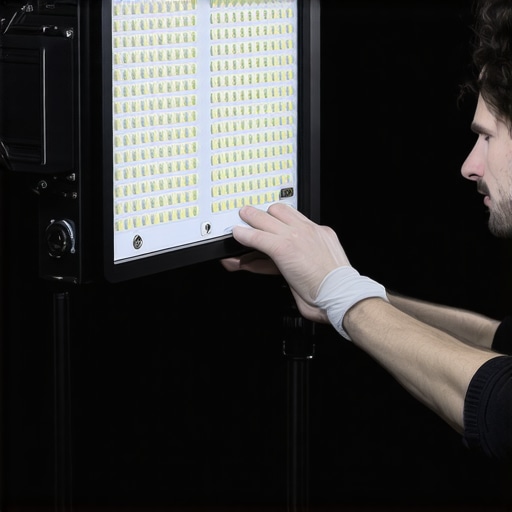
The Lessons That Didn’t Come from Manuals
One of the hardest lessons I learned was that overanalyzing every lighting detail without trusting the basics can lead to confusion rather than clarity. Early in my journey, I obsessively adjusted fill lights, chasing perfect shadows, only to realize that sometimes simplicity beats complexity. The moment I embraced the idea that a slight 15-degree shift could make my subjects appear more natural was a game-changer.
Another insight was understanding that equipment isn’t a magic fix. I once believed that buying the latest softbox or RGB tube light would automatically elevate my work. Instead, I discovered that knowing how to position and tune these tools matters far more. Proper placement, rather than power, breathes life into your portraits.
Finally, I found that patience and critical review during shoots help cement lessons. Small adjustments—like a tilt or a gentle dimming—perform wonders when you take the time to analyze the results from different angles. This iterative process—testing, observing, refining—is the real secret to mastering natural, cinematic lighting.
Tools That Changed My Approach
My trusted go-to for precision is the Sekonic C-800 light meter, which ensures consistent color and brightness, especially when balancing RGB tube lights and LED panels. For diffusion, I rely on large, high-quality softboxes from brands I trust for their durability and light quality, like this softbox selection. To measure angles and ensure perfect positioning, I often use a simple smartphone app or improvised tools like DIY protractors, which remind me that you don’t need expensive gadgets—just know-how. Lastly, maintaining equipment with microfiber cloths and proper storage prolongs their life and keeps your lighting consistent, no matter how many shoots you do.
Your Next Step Toward Better Lighting
Now, it’s your turn to experiment with the 15-degree fill light rule and see its transformative effect firsthand. Properly positioned fill lighting isn’t just a technique—it’s a creative tool that unlocks natural beauty and depth in your portraits. If you’re eager to sharpen your skills further, explore our comprehensive guides on key light positioning and filling shadows effectively. Remember, great lighting is an ongoing journey, and mastery comes from consistent practice and curiosity. What’s the biggest lighting challenge you’ve faced recently? Share below, and let’s figure it out together!.
![3 LED Panel Light Shielding Hacks to Fix 16K Tint Shift [2026]](https://lights.creatorrigreviews.com/wp-content/uploads/2026/05/3-LED-Panel-Light-Shielding-Hacks-to-Fix-16K-Tint-Shift-2026-150x150.jpeg)


2 responses to “Fix Flat Faces: The 15-Degree Fill Light Rule for 2026”
This post really hits the mark about the importance of subtle lighting adjustments. I started incorporating that 15-degree fill light rule into my shoots after struggling with flat facial features, and honestly, the transformation was noticeable right away. The way you described measuring the angle with a protractor or even DIY tools like a cardboard hinge reminded me of how creative solutions can be so effective in a studio setting. One thing I found particularly helpful is dialing down the fill light just enough to add dimension without flattening or overexposing the face. Have you experimented with using colored gels or adjusting color temperatures for the fill to add mood or warmth? I’d love to hear how others tweak these settings to match different skin tones or environments.
This article really resonates with my recent experience in portrait sessions. I’ve been experimenting with the 15-degree fill light rule, and I agree — small adjustments can make a huge difference in creating that natural, three-dimensional look that feels authentic. I especially appreciated your tip about measuring angles with simple tools; it’s a reminder that sometimes the best solutions are straightforward and resourceful, not overly complex. Personally, I’ve found that softening the fill light further with a silk diffusion or a bounce card helps when working with diverse skin tones, making sure no area looks overexposed or flat. Regarding color temperature, I often match my fill with the key light to maintain harmony, but I’m curious — have you tried layering gels or using colored fills to evoke specific moods? I’d love to hear other artists’ experiences on balancing warmth and coolness to complement different environments or skin tones.