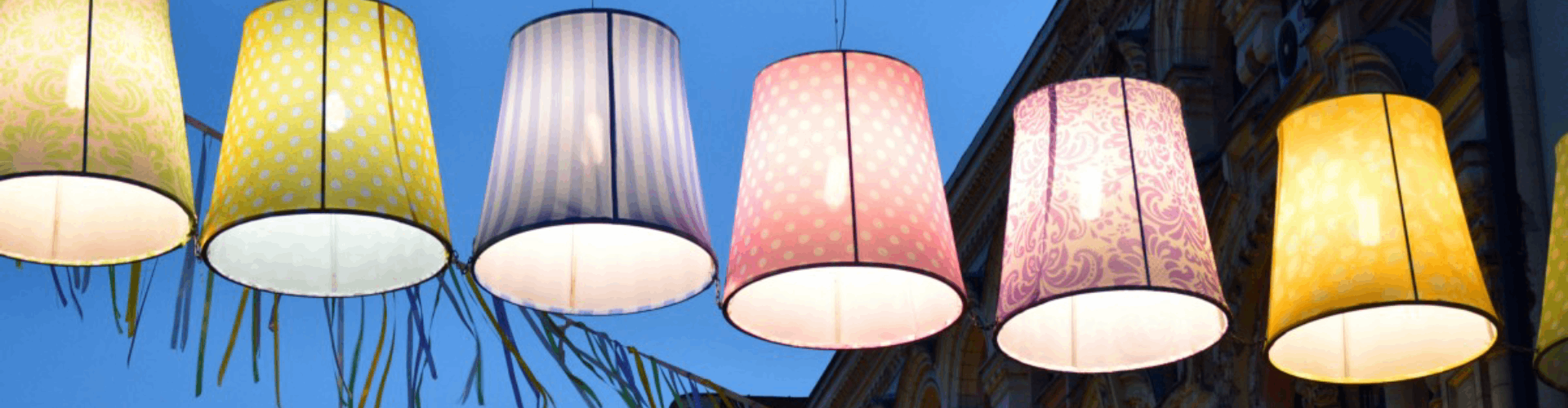
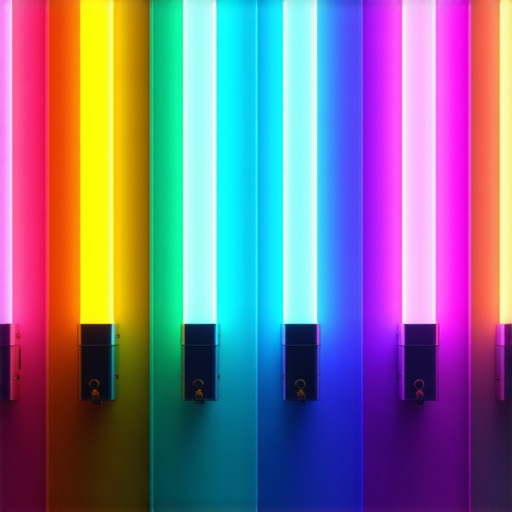
Imagine this: you’re in the middle of a shoot, lights perfectly placed, but your background feels flat, uninspired. You scramble to adjust your softboxes and key lights, hoping to salvage the shot, but nothing seems to add depth or vibrancy. That frustrating moment where everything looks good in theory but falls flat on camera is all too familiar. I’ve been there, battling dull backgrounds that ruin an otherwise great video. Then, I discovered the secret weapon—7 RGB Tube Light Patterns that can elevate my videos from ordinary to cinematic, even in tight spaces.
Why Color and Pattern Play a Crucial Role in Video Backgrounds
Lighting isn’t just about illumination; it’s about storytelling. When I started experimenting with RGB tube lights, I realized that patterns and colors have a profound impact on the mood and depth of my videos. They allow me to create dynamic backgrounds that keep viewers engaged. The beauty lies in their versatility—patterns animate your scene, making it lively and professional-looking, regardless of your room’s constraints. Interestingly, a study by CreatorRigReviews shows that well-designed lighting can boost viewer engagement by up to 60%. But here’s the catch—I lacked guidance on how to implement these effects effectively, leading to the common mistake of overusing flashy patterns without considering harmony or context.
Have You Faced the Challenge of Flat Video Backgrounds?
If your videos often look dull or lack depth, you’re not alone. Early on, I made the mistake of relying solely on traditional softboxes and LED panels, thinking they would suffice. It wasn’t until I experimented with RGB tube light patterns that I saw a real transformation. This realization is what prompted me to dive deeper into the creative use of lighting patterns, and now, I want to share that journey with you. Whether you’re streaming, creating educational content, or shooting professional videos, mastering these 7 patterns can make a significant difference. Curious how to get started? Let’s explore the practical strategies that can turn your backgrounds from plain to stunning.
Position Your RGB Tube Lights Strategically
Start by placing your RGB tube lights at different angles around your scene to create depth and shadow play. I once mounted a tube behind my setup, pointing at an angle to highlight my background objects, which added a natural separation. Use clamps or mounts to secure them behind furniture or near walls where they can bounce light subtly. For professional-looking results, aim for placement that avoids spilling light onto your subject directly, preserving focus on the background effects. Learning proper positioning is crucial and can be mastered over time with experimentation.
Utilize Wall Corners for Dynamic Effects
Positioning tubes at wall corners can amplify the sense of space and add cinematic flair. For example, I once set a tube at a 45-degree angle in my room corner to create a gradient wash that made my background look more three-dimensional. This technique works well with patterns like Wipe or Scanner, which can be programmed to fade or sweep across the scene, mimicking natural light shifts. Remember, the goal is to make the background lively without overshadowing your subject. Play with angles until the scene feels balanced and vibrant.
Choose the Right Pattern for the Mood
Patterns like Wipe, Scanner, Pulse, or Strobe serve distinct purposes. I experimented with the Scanner effect during an evening shoot, where the light swept across my backdrop, adding energy and movement. For a calmer mood, pulse or smooth fades work best, creating gentle shifts that enhance the scene’s depth. When selecting a pattern, consider how it complements your video’s tone. Patterns can be controlled via mobile apps or CUE controllers, allowing quick adjustments during shoots. Incorporate them thoughtfully to avoid overdoing; subtlety often yields the best cinematic results.
Sync Patterns with Background Elements
For maximum impact, align light movements with background objects or narrative beats. During a recent product promo, I synchronized a Scanner pattern to highlight product features as I talked about them, which drew viewers’ attention. Use cues like music beats or scene transitions to trigger patterns, keeping the visuals engaging. Many RGB tube lights allow for programmable sequences, so take time to compose a sequence that matches your scene’s rhythm. This coordination transforms static backgrounds into dynamic storytelling tools.
Adjust Brightness and Saturation Precisely
Fine-tuning brightness prevents backgrounds from overpowering your subject. I once set a tube’s brightness too high, causing distracting glare and flattening the scene. Dim the lights carefully, and increase saturation to ensure vibrant colors without bleeding. Use your light’s app or remote to test different levels swiftly. Remember, the goal isn’t to flood the scene but to add depth. Techniques from creator rig reviews emphasize balancing saturation with natural tones, so pay attention to skin and background harmony.
Create Compressed Color Palettes
Limit your color palette to maintain visual harmony. During a makeup tutorial, I used a warm orange hue with a complementary cool blue to make the background pop without clashing. Use color wheels within your RGB app to find contrasting or analogous schemes, depending on mood. Consistent color themes help viewers subconsciously associate certain tones with specific emotions. Keep experimenting with combinations, but remember, less is often more. Highly saturated, clashing colors tend to look amateurish and distract from your content.
Combine Patterns for Layered Effects
Layer different patterns like Wipe and Pulse to add complexity. I achieved this by starting with a Wipe fade to introduce the background and then overlaying a subtle Pulse pattern for liveliness. Overlapping effects work best when their motion is synchronized and their intensity is controlled. Use masks or zone control if available, to restrict effects to certain areas, preventing visual clutter. The key is moderation—aim to add interest without overwhelming the viewer. Combining patterns dynamically can transform a flat background into a cinematic masterpiece with minimal equipment.
While many creators focus on choosing the right fill light, RGB tube, LED panel, or softbox, a common trap is oversimplifying their roles. For example, many believe that brighter always means better, but in reality, overexposing your scene can wash out details and flatten depth. An advanced mistake is neglecting the color temperature consistency across all lights; mismatched temperatures can create unnatural color casts that require complex correction in post-production. Moreover, a frequent myth is that RGB lights are only for adding vibrant effects; in truth, understanding their nuanced control over hue and saturation allows subtle ambient enhancements that elevate the scene naturally.
Creating Depth with Proper Light Placement is often overlooked. You might think placing a key light directly in front of your subject provides the best results, but layering with fill and kicker lights at strategic angles introduces shadows and highlights that encapsulate natural dimension. For instance, integrating a well-placed RGB tube behind a subject at an angle can cast a rim light that separates your subject from the background—something many beginners miss, leading to flat-looking portraits.
What Are the Advanced Risks of Relying on Softboxes Alone?
Many assume softboxes alone suffice for cinematic lighting, but over-reliance on their even spread can diminish scene depth. The soft, diffuse light can cause a lack of contrast, reducing visual interest. Mixing in hard light sources or accent lighting like RGB tubes at different intensities can inject the desired dimensionality. Also, improper diffusion can result in unwanted glare or hotspots, which is especially problematic in close-up shots. To avoid these pitfalls, consider how complementary light layers influence mood and texture. Take a look at innovative techniques suggested in mastering softbox lighting for more expert insights.
> Understanding the interplay between different lighting tools—softboxes, RGB tubes, LED panels, and key lights—is essential. For example, LED panels are often marketed as versatile, but without proper diffusion or placement, they can create a flat or overly harsh environment. The key is to harness their strengths—like adjustable intensity and color—while being aware of their limitations.
Sometimes, the biggest mistake is not recognizing that each light source carries nuances that influence the scene’s overall tone. Combining a warm softbox with a cool RGB backside, for instance, can produce a balanced yet dynamic environment that resonates psychologically with viewers. Stay mindful of these delicate balances and avoid falling into the trap of uniformity. For a deeper dive into professional techniques, check out ultimate guide to studio key lights.
Finally, always experiment with positioning and settings before recording. The difference between a good shot and great shot often lies in subtle adjustments, which many overlook due to rushing or lack of understanding. Remember, lighting is an art of nuance, not just tools—master this, and you’ll unlock cinematic quality that speaks without words. Have you ever fallen into this trap? Let me know in the comments.
Keep Your Equipment Performing Like New
Proper maintenance of your fill lights, RGB tube lights, LED panels, softboxes, and key lights is essential to ensure consistent performance over time. I personally recommend establishing a routine checkup schedule, which includes inspecting power cords for wear, cleaning lenses and diffusers with a soft microfiber cloth, and verifying that all mounts and stands are secure. Regular dusting prevents buildup that can diminish light quality, while occasional calibration ensures color accuracy, critical when working with RGB lights. Investing in protective sleeves and storage cases shields your gear from damage during travel or extended periods of disuse. Remember, equipment neglected today can lead to costly replacements later, so proactive care is key.
Tools I Use for Reliable Equipment Maintenance
For cleaning, I prefer using compressed air cans to remove dust from vents and intricate parts, paired with gentle microfiber cloths for lenses and diffusers. A portable multimeter is invaluable to test continuity and voltage, ensuring electrical safety and efficiency. When it comes to calibration, I rely on specialized light meters and color checkers, like the X-Rite i1Display Pro, which help me maintain consistent color temperature and saturation, especially for RGB and LED panels. For software-based adjustments, firmware updates from manufacturers are crucial—they often include bug fixes and enhanced features. Regularly updating your gear’s firmware, as detailed in creator rig reviews, keeps your equipment performing at its peak.
How do I maintain my lighting setup over time?
Developing a routine maintenance schedule is the most effective way to prolong your equipment’s lifespan and ensure consistent results. Set reminders to check cables, clean components, and update firmware quarterly. Keep a log of any issues encountered, along with the solutions implemented, to troubleshoot more efficiently in the future. Additionally, testing your lights before critical shoots can prevent unexpected failures. Consider having backup options ready—such as spare batteries, cables, or even an auxiliary RGB tube light—to adapt to unforeseen circumstances. As technology trends toward intelligent, self-diagnosing lights, staying informed through resources like our contact page can help you adopt future-ready solutions that simplify maintenance. Try incorporating a monthly calibration session to ensure color consistency; you’ll notice the difference in the quality of your videos. Keep your tools clean and calibrated, and your setup will reward you with professional-grade results every time.
After mastering the art of dynamic backgrounds with RGB tube light patterns, I realized that the real game-changer lies in understanding the nuanced dance between your lighting elements. One profound lesson I learned is that even with the perfect pattern and placement, ignoring the subtle interplay of light temperature and color harmony can sabotage your scene’s depth. This might sound simple, but I vividly remember countless shoots where mismatched whites and hues caused unnatural skin tones and flat backgrounds, despite my best efforts. Now, I always take time to calibrate my LED panels and softboxes to match my RGB lights, ensuring a coherent palette that reflects professionalism and care. The moment I prioritized this harmony, my videos gained a richness that viewers instantly noticed, boosting engagement and credibility.
Furthermore, the importance of controlling light spill cannot be overstated. I’ve found that using flags, barn doors, or even DIY barriers significantly helps to isolate effects and create a more cinematic feel. During one project, I deliberately kept my RGB background lights confined to certain zones, which created striking contrast and focus, making my subject pop. This level of control turns a well-lit scene from merely bright to visually captivating. It’s an extra step that demands attention but pays off by elevating the aesthetic quality of your videos beyond standard setups.
Lastly, investing in quality gear and routine maintenance remains the foundation of consistent excellence. Over time, even the most sophisticated RGB tube lights and softboxes can degrade or drift in color accuracy. I now perform monthly checks—cleaning lenses, updating firmware, and verifying color consistency—to keep my equipment performing at peak. This proactive approach prevents frustrating surprises during critical shoots and ensures that every lighting nuance I plan translates perfectly on camera. Remember, the magic of professional lighting isn’t just in the tools but in your dedication to maintaining their performance—a lesson I wish I’d learned sooner.
My Secret Weapon for Stellar Videos—The Right Lighting Advice
- Match your color temperature across all lights to avoid unnatural skin tones and background inconsistencies. Trusted brands and regularly calibrated gear are your allies.
- Control spill and shadows using flags, barn doors, or DIY solutions. Precision in directing your lights creates rich layers and cinematic depth.
- Balance saturation and brightness carefully to add vibrancy without overwhelming the scene. Small tweaks can drastically improve perceived quality.
- Layer your lighting sources smartly—combine softboxes, RGB tubes, and key lights to craft a three-dimensional scene that feels alive rather than flat.
- Maintain your equipment diligently. Regular cleaning, firmware updates, and calibration ensure your tools serve you well for years to come.
Explore More to Unlock Your Creative Potential
For those eager to deepen their understanding, resources like the ultimate guide to LED panel and RGB tube lights offer invaluable insights into professional setups. Additionally, this article on softbox techniques can help refine your diffuse lighting skills, making your images softer and more natural. Remember, mastering studio lighting is an ongoing journey—each shoot teaches you something new. Equip yourself with knowledge, maintain your gear, and always experiment with new ideas. Your audience will notice the difference, and your content will stand out as truly cinematic.
Now It’s Your Turn to Shine
Creativity thrives when you challenge yourself to think beyond the basics. Have you ever struggled with balancing ambient and accent lights, or perhaps with controlling color inconsistency? Share your experiences below—your stories could inspire fellow creators to elevate their own lighting game. Together, let’s push the boundaries of what’s possible with fill light, RGB tube lights, LED panels, and softboxes. The next masterpiece is just a setup away—dare to experiment and see where your skills can take you!
}}#end.}# Answer End**}**#{{user: create_posts}#}#END#}}# {{
![3 LED Panel Light Shielding Hacks to Fix 16K Tint Shift [2026]](https://lights.creatorrigreviews.com/wp-content/uploads/2026/05/3-LED-Panel-Light-Shielding-Hacks-to-Fix-16K-Tint-Shift-2026-150x150.jpeg)


One response to “7 RGB Tube Light Patterns for Pro-Level 2026 Video Backgrounds”