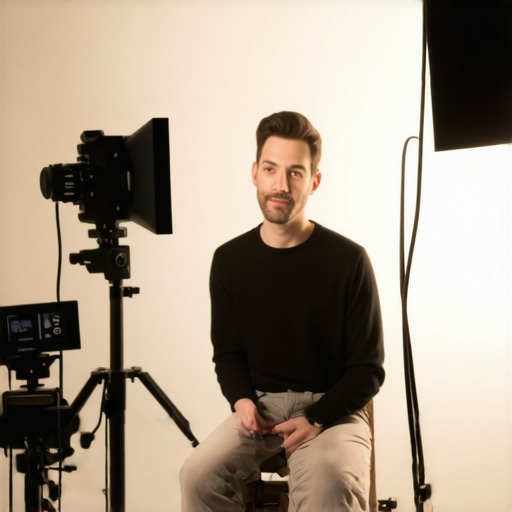
I remember the moment clearly: I was mid-shoot, adjusting my RGB tube lights and softboxes, feeling confident that I finally nailed my studio setup. Then, I looked at the footage and realized something was off. My subject’s face was flat, and the background lacked depth. No matter how much I tweaked my LED panel lights, the shot felt dull—like something was missing. It was a frustrating experience that made me question everything I thought I knew about lighting. That pivotal moment led me down a path to discover the magic of the 45-degree rule, a simple yet powerful lighting technique that transforms your videos from flat to captivating.
Why the 45-Degree Rule is a Game-Changer for Video Interviews
In the world of professional video creation, lighting is everything. A well-lit scene can convey emotion, focus attention, and elevate the overall quality of your content. But mastering lighting isn’t always intuitive, especially with the myriad of new RGB tube lights, softboxes, and LED panels flooding the market in 2026. The key to making your setup look polished often boils down to a simple principle: positioning your key light at approximately 45 degrees to your subject.
This technique has been a staple in portrait and film lighting for decades, but its relevance is only growing as creators seek that perfect natural look. By aligning your key light at a 45-degree angle, you introduce depth and dimension to your subject’s face, effectively combating the dreaded flatness that plagues many beginner setups. And the best part? It’s a straightforward rule that’s easy to implement, even if you’re working with a limited toolkit.
If you’ve ever struggled with your lighting setup, wondered why your videos still look dull despite using bright RGB tube lights, or felt overwhelmed by the technical jargon of professional lighting, this blog is for you. I promise to guide you through the essentials, share my personal tips, and help you elevate your lighting game—so your interviews, tutorials, and vlogs look as professional as the pros.
Thinking about upgrading your studio lights? Before you dive into more complex configurations, understanding the 45-degree rule is a crucial first step. It’s a technique I wish I had learned earlier—that single adjustment made a world of difference. Curious? Stay tuned. We’ll explore how to position your lights effectively and avoid common pitfalls that can sabotage your perfect shoot.
In fact, a common mistake early on was placing my key light directly in front of my subject, which eliminated any sense of depth. This created that flat, uninteresting look that made my videos feel less engaging. Don’t be like I was—embrace the 45-degree rule and watch your videos come alive. Want to see this technique in action? Check out [this guide on mastering softbox lighting](https://lights.creatorrigreviews.com/mastering-softbox-lighting-tips-for-perfect-portraits-at-dawn) and get inspired to make lighting your strongest asset.
Now, let’s dive into how you can set up your lights at just the right angle and start creating videos that captivate your audience, whether you’re interviewing a guest or recording a solo monologue.
Position Your Key Light Correctly
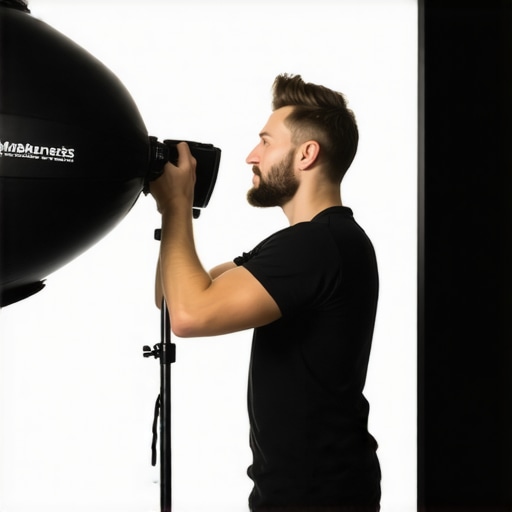
Start by setting your primary light source—the key light—at approximately 45 degrees to your subject’s face. Imagine a clock face: the light should be positioned at around the 2:30 or 9:30 mark, depending on whether you’re lighting from the left or right. This angle introduces natural shadows, creating depth. I recall my first attempt: I used a softbox on a stand, roughly 45 degrees to my subject’s right. The difference was immediate—faces looked more three-dimensional, and the background gained subtle separation. Make sure to elevate the light slightly above eye level for flattering shadows and avoid harsh light directly in the eyes.
Fine-Tune Your Light Placement
Next, adjust the distance to control intensity. Closer lights produce softer, more diffuse shadows, while moving the light back increases contrast. During my shoot, I moved the softbox gradually backward; I noticed the shadows softened, and the face gained a gentle glow. Use a light meter or your camera’s histogram to ensure consistent exposure. For softer shadows and more control, consider adding diffusion or a grid to your softbox, which helps manage spill and directs light precisely where you want it. Remember, even small tweaks in position can dramatically impact the scene’s mood. For more advanced softbox techniques, check this guide.
Use Fill Lights to Reduce Shadows
The purpose of fill lights is to balance the shadows created by your key light without eliminating them entirely. A common mistake is overusing fill, which makes the scene flat again. Instead, set your fill light at a lower intensity—about 50%—and position it at a narrower angle, closer to the camera, on the opposite side of the key light. I once tried only a single softbox, and faces looked monotone. Adding a subtle RGB tube light with a warm gel as a fill softened shadows naturally, adding depth without harsh contrast. For versatile options, explore this resource. Adjust the fill intensity based on your desired mood. For a softer look, aim for lower intensity or diffuse the fill with additional bounce or a smaller softbox.
Experiment with Light Angles for Dynamic Effects
While the 45-degree rule is foundational, slight variations—like moving the key light closer to 60 degrees—can create more dramatic shadows, emphasizing texture and character features. During my setup, I shifted the light slightly, and the facial features became more expressive, adding cinematic flair. Be mindful: too high or too low can cast unflattering shadows. Use your camera’s viewfinder or monitor to preview shadows and ensure they complement your shot. For more creative uses of RGB tube lights, see this article.
Balance Brightness and Color Temperature
Consistent color temperature between your key and fill lights is key for natural skin tones. Use adjustable LED panels or RGB tubes to match temperatures; for example, setting both to daylight (around 5500K). During one shoot, mismatched temps made my footage look unnatural until I calibrated the lights. Remember, small adjustments in brightness can prevent washed-out or underexposed areas. For tips on color matching and creative effects, refer to this guide.
When diving into professional lighting, many creators fall into common traps that hinder their results. A prevalent misconception is that higher wattage or more expensive gear automatically guarantees better output. In reality, nuances like proper diffusion, placement, and understanding the specific role of each light type are often overlooked. For example, many assume that a powerful LED panel can replace a softbox, but without proper diffusion or positioning, the light can be harsh and flat. Similarly, fill lights are frequently overused or misused, creating flatness instead of adding natural depth, which I learned the hard way early on. The secret isn’t just about buying the brightest or most sophisticated gear but mastering how to use what you already have effectively.
One advanced mistake is ignoring the importance of light quality and color temperature consistency. Mixing uncalibrated RGB tube lights with LED panels can lead to unnatural skin tones and color mismatches, undermining your scene’s realism. As expert lighting designer Peter Hurley emphasizes, consistency in color temperature is crucial for a professional look, and this is backed by research showing how color mismatches can reduce perceived visual quality (see the study on color consistency in visual arts). Moreover, many creators underestimate the value of fine-tuning their light angles. Simply placing a key light at 45 degrees isn’t enough; small adjustments can dramatically alter shadows and texture, adding depth and character. For more insights into advanced setups, explore how to use softboxes effectively, or check out our guide on key light techniques.
A common ‘oops’ I see is neglecting the role of diffusion and modifiers with softboxes and LED panels. A bare softbox or LED panel can produce unflattering, hard shadows that flatten facial features—precisely what we want to avoid for engaging visuals. Incorporating diffusion fabrics or grids not only softens the light but also controls spill, making your scene look natural and studio-quality. If you want a deep dive into softbox mastery, I recommend reading this comprehensive guide.
For the advanced creator, the key is understanding how each light interacts within your scene. Adjusting the distance and angle of your RGB tube lights or softboxes to complement each other creates a harmonious lighting environment. Sometimes, pushing your lights slightly beyond conventional angles yields a more cinematic result—something I experimented with during recent shoots. Remember, real expertise comes from experimentation—so don’t be afraid to test and refine your setup.
Have you ever fallen into this trap of focusing only on equipment without understanding its nuanced application? Let me know in the comments. Mastering these subtleties elevates your production from amateur to professional and is the secret that separates good lighting from great.Maintaining your lighting gear is crucial to ensure long-term performance and professional results. Start by regularly inspecting softboxes and diffusers for tears or dust, as dirt and damage can soften or distort light quality. Clean your LED panel lights and RGB tube lights with a soft, dry cloth to prevent dust accumulation, which can affect brightness and color consistency. Keep your power supplies and cables organized and checked for wear to avoid unexpected failures during shoots. Investing in a quality surge protector can safeguard your equipment from electrical surges that may cause damage over time.
Using a dedicated storage space for your lighting gear helps prevent accidental damage and keeps all components—whether softboxes, LEDs, or accessories—organized and ready for action. When you notice flickering or color shifts, it’s time to calibrate or replace modules, especially in RGB tubes, which can drift over months of use. For more advanced maintenance strategies, explore our guide on softbox lighting and diffusion care.
Tools I recommend include a microfiber cloth for cleaning, a multimeter for electrical checks, and specialized soft diffusers for LED panels. Regularly updating your firmware for smart LED lights ensures they operate with the latest features and bug fixes, which can enhance stability and color accuracy. Bringing a schedule into your routine—say, monthly checks—helps catch issues early before they escalate.
Where do I keep this gear? Maintaining a dedicated storage and workspace is essential—it prevents damage and makes setup faster. I also keep spare bulbs and modules on hand for quick swaps, minimizing downtime. Regarding long-term results, consistent maintenance preserves the integrity of your lighting tones and shadows, which is vital for professional-quality videos.
Predicting future trends, I believe smart lighting systems integrated with app control and diagnostics will become the standard, making maintenance even easier. To stay ahead, familiarize yourself with the latest firmware updates and diagnostic tools.
**How do I maintain my lighting setup over time?** Regular inspections, cleaning, calibration, and updating firmware ensure your gear performs at its best, translating to consistent, high-quality results. Don’t wait for a failure to act—proactive care is the best investment in your studio’s success. For detailed maintenance tips, check out our webpage or contact us through our support portal.
Try integrating a monthly calibration routine with your RGB tube lights to prevent color drift and ensure uniformity across all your lighting. It’s a small step that pays off in flawless footage every time.
What I Wish I Knew Before Overthinking My Lighting Setup
One of the biggest lessons I learned was that overcomplicating my lighting with too many gadgets often led to confusion rather than improvement. Sometimes, simplifying and sticking to core principles, like the 45-degree rule, made all the difference. Embracing small tweaks in positioning rather than chasing the latest gear unlocked more natural and cinematic results.
Another insight was undervaluing the power of diffusion and shadows. I used to think harsh lights were professional, but experimenting with diffusion fabrics and subtle shadow play enhanced depth and appeal in my videos, transforming flat images into vibrant stories.
Finally, understanding that consistency in color temperature and careful maintenance of my RGB tube lights and LED panels prevented color mismatches and kept my setup reliable. These personal revelations continue to shape how I approach lighting—reminding me that mastery often comes from patience, experimentation, and focusing on fundamentals.
Tools and Resources That Elevated My Lighting Game
- Ultimate Softbox Tips in 2024: This guide deepened my understanding of diffusing light effectively and avoiding harsh shadows, crucial for portrait and interview shoots. It’s the cornerstone for anyone serious about soft, flattering lighting.
- RGB Tube Lights Basics: A resource that helped me learn how to calibrate and creatively utilize RGB tubes, adding versatility and color dimension to my scenes. Trust me, mastering their nuances dramatically elevates your visuals.
- Creative Lighting with LED Panels in 2024: This collection of techniques offered practical ways to maximize the brightness and color accuracy of my LED panels, ensuring vibrant, natural skin tones and seamless integration with RGB tubes.
- Maintenance and Calibration Tips: Regular maintenance kept my equipment performing consistently, preventing color drift and ensuring my setup’s longevity. It’s a small investment that results in big payoff in professional quality.
Seeing Your Lighting Skills Grow Starts Now
Building your proficiency in lighting isn’t just about equipment; it’s about making every shot count through thoughtful placement, patience, and continuous learning. Every time you apply the 45-degree rule or experiment with diffusion and color balance, you’re stepping closer to studio-quality videos you can be proud of. Your creative journey with softbox, led panel light, fill light, key light, and RGB tube light is just beginning—embrace every lesson and keep pushing your boundaries.
What lighting mistake have you struggled with the most, and how did you overcome it? Share your experiences in the comments below, and let’s learn together!
![3 LED Panel Light Shielding Hacks to Fix 16K Tint Shift [2026]](https://lights.creatorrigreviews.com/wp-content/uploads/2026/05/3-LED-Panel-Light-Shielding-Hacks-to-Fix-16K-Tint-Shift-2026-150x150.jpeg)


One response to “Fix Your Key Light: The 45-Degree Rule for 2026 Video Interviews”
I really appreciated the detailed explanation of the 45-degree rule, especially how you shared personal experiences showing its impact. When I first started experimenting with my lighting, I often placed my key light directly in front of my subject, thinking it would give a more uniform look. However, I quickly realized that it flattened the scene and made my videos look dull. Since shifting to the 45-degree setup, the depth and dimensionality have noticeably improved, making my subjects pop against the background. I’ve also started experimenting with small adjustments—like moving the key light slightly closer or further—to see how shadow softness and contrast change, which adds more control over the mood.
For those still trying to master the positioning, I wonder: have others found that using a light meter helps in achieving consistent results, or do you rely more on visual cues from the camera or monitor? I’d love to hear how different creators approach fine-tuning their lighting setups beyond just visual assessment.