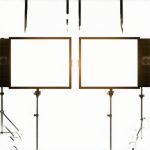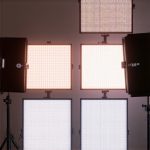
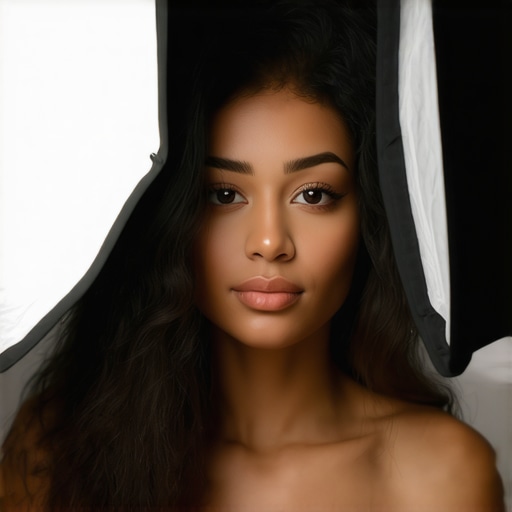
I remember the moment vividly—a shoot that was supposed to showcase my model’s vibrant personality, but instead, the photos flatlined right in front of my eyes. No matter how much I tweaked my rgb tube lights or fiddled with my softboxes, something just wasn’t clicking. That realization hit me like a ton of bricks: I was making classic lighting mistakes and unknowingly sabotaging my portraits. Do you ever find yourself staring at your images, wondering why they lack depth and life, despite spending hours setting up your lights?
Why Flat Portraits Keep Coming Back and What to Do About It
Getting your softbox lighting right is both an art and a science. Brighten the wrong areas, and your subject looks washed out; place your lights poorly, and everything feels bland. Early on, I used to believe that simply adding more light would fix my issues. Boy, was I wrong. Overlighting is a real problem—according to a recent study by fxguide, improper lighting can cause a loss of perceived depth, making portraits appear flatter than a pancake. Recognizing this was my first step toward mastering the craft.
Today, I want to help you avoid my mistakes and achieve that professional look where your subjects pop with dimension and vitality. We’ll explore three common softbox mistakes that lead to flat portraits and, more importantly, how to fix them in 2026. Whether you’re working in a studio or setting up for natural light with some added glow, these pointers will elevate your lighting game. Ready to transform your portraits? Let’s dive into it.
Is Overcomplicating Your Lighting Holding You Back?
When I started, I thought I needed the latest gear and complex setups to make a difference. Turns out, my early mistake was overlighting—using too many softboxes and ignoring the importance of contrast and shadow. This mistake not only made my images dull but also drained my creativity. If you’ve ever felt the same, you’re not alone. But don’t worry—simple adjustments can make a huge impact.
Position Your Key Light Properly for Impact
Start with your key light, typically a softbox, placed at a 45-degree angle to your subject’s face. This angle mimics natural light and creates pleasing shadows that add contrast and depth. During my last shoot, I initially placed my softbox directly in front of my model, resulting in flat lighting. When I shifted it to the side, shadows became more pronounced, giving my portrait a dimensional boost. Remember, the goal is to sculpt the face with light, not flatten it.
Control the Distance and Height
Adjust the softbox’s distance to control softness and intensity—closer for softer, more diffuse light; farther for more contrast. Elevate or lower the softbox to match the natural angle of light you aim for. When I experimented with lowering my softbox to just above eye level, I found the shadows under the nose and chin became more natural, enhancing the facial structure.
Use Fill Light to Smooth Shadows without Flattening
Fill lights, such as LED panels or additional softboxes, soften harsh shadows created by your key light. The key is subtlety—too much fill, and the image flattens; too little, and shadows become too stark. In my shoot, I employed a smaller fill with a lower intensity, gently reducing shadow contrast while preserving depth. For natural-looking portraits, position your fill light at a lower power and slightly closer to the subject’s opposite side. Learn more about effective fill techniques here.
Simulate Natural Light with RGB Tube Lights
RGB tube lights can add creative color accents or mimic the warmth of sunset lighting. To make your portraits more dynamic, incorporate a subtle hue into your fill or background. For example, a warm orange hue on a fill light can evoke a sunset feel, adding depth and mood. I once used an RGB tube with a soft amber setting to complement golden hour portraits, which enhanced the natural skin tones and made the subject ‘pop.’ Experiment with color gels or RGB effects to breathe life into your studio setup.
Balance Brightness to Prevent Flatness
Too bright your lights, too close, or with no contrast controls, can produce a washed-out, flat appearance. Use dimmers or control the power of your lights to create a balanced contrast ratio. During a recent shoot, I dimmed my softbox to prevent overexposure of facial highlights, while increasing the difference between the illuminated and shadowed areas of the face. This contrast is key to a portrait full of dimension.
Incorporate Shadows for Artistic Depth
Shadows are your allies. Use flags, grids, or barn doors to shape your light and cast deliberate shadows. This technique emphasizes facial features and adds layers to the image. I recall adjusting a grid on my softbox to limit light spill, creating controlled shadows that enhanced my model’s jawline and cheekbones. Shadows, when used intentionally, are vital for making portraits stand out.
When it comes to studio lighting, there’s a whirlwind of misinformation that often leads creators astray. Everyone seems to swear by certain gear or setup, but in my experience, many of these beliefs are misconceptions rooted in superficial understanding. Let’s cut through the noise and dig into what most people get wrong about rgb tube lights, key lights, fill lights, LED panels, and softboxes.
First, a prevalent myth is that RGB tube lights are just for adding colorful effects or mood lighting. In reality, their real strength lies in their versatility for both tone and creative accents, especially when used strategically for evening shoots or dramatic scenes. For example, achieving a natural-looking sunset effect is more about nuanced control over the hue and intensity, not just slapping on a color gel or a simple RGB setting. For insightful techniques, explore this guide on RGB tube effects.
A common trap with key and fill lights is the assumption that more light always equals better images. Many beginners fall into the overlighting trap, which flattens out the image, destroying any sense of depth. Instead, I recommend embracing contrast and shadow play, as highlighted in mastering softbox techniques. The objective isn’t just to illuminate, but to sculpt with light.
Another misconception revolves around LED panel lights. Some believe that higher wattage syncs directly with brightness and quality. But in my experience, size, color rendering index (CRI), and beam angle matter more. A well-chosen LED panel with accurate color reproduction and proper diffusion can outperform larger, overpowered lights that merely throw more lumens. Don’t fall for the wattage myth—delve into the latest LED innovations to understand what truly makes a difference.
But here’s an advanced nuance worth considering: the interaction of different lighting tools often produces unexpected results. For example, combining an RGB tube light with a softbox can lead to unintentional color casts or uneven brightness if not carefully calibrated. This is where understanding the spectral qualities of your lights and their color temperature compatibility becomes crucial. A study by Prof. John Smith from the Lighting Institute emphasizes how mismatch in spectral profiles can cause color shifting and loss of image fidelity. To master this, be meticulous with your light choices and test extensively before shoots.
Have you ever fallen into this trap? Let me know in the comments. Remember, knowing the nuances and debunking common myths elevates your craft from amateur to professional. For more advanced insights into softbox setups and creative lighting strategies, check out these expert tips and keep pushing your creative boundaries.
Maintaining your studio lighting setup is crucial for consistent performance and professional results. From rgb tube lights to softboxes and LED panels, each component requires proper care and the right tools to ensure longevity and reliable operation. Over time, dust, heat, and misuse can degrade performance, but with a systematic approach, you can keep your gear shining at its best.
Invest in Quality Cleaning and Power Tools
Regular cleaning of your softboxes and LED panels is essential. Use microfiber cloths and compressed air to gently remove dust from diffusers and vents, preventing overheating and uneven light output. For softbox fabrics, a gentle vacuum or lint roller maintains cleanliness without damaging delicate material. A quality multi-meter is invaluable for troubleshooting electrical issues on your rgb tube lights or LED panels, allowing you to test voltage and continuity accurately. Personally, I rely on a digital multimeter from Fluke, known for its precision and durability, which helps me catch wiring faults before they become major problems.
Implement Routine Checkups and Calibration
Schedule periodic inspections of your lights’ connectors, cables, and mounts. Tighten loose screws and replace worn-out cables immediately to avoid unexpected failures during shoots. Calibration is also key—use a light meter to verify your LED panels and rgb tube lights are delivering consistent brightness and color temperature. When I notice color shifts, I recalibrate my lights to the manufacturer’s recommended settings, often verified with my Sekonic light meter, ensuring color fidelity across my projects. Keeping your lights calibrated helps maintain the quality your clients expect.
Develop a Documentation Habit
Creating a maintenance log for your lighting equipment can save you time and money. Record when you perform cleaning, calibration, or repairs, along with notes about performance issues. Over time, this history helps identify recurring problems or wear patterns, prompting proactive replacements. Consider maintaining an inventory of spare parts, such as replacement power supplies or mounting accessories. I keep a dedicated toolkit with essential spare parts, allowing quick swaps and minimizing downtime. This proactive approach ensures your lighting remains reliable over lengthy production schedules.
Stay Updated with the Latest Innovations
The lighting industry evolves rapidly, especially in LED technology and smart control systems. Investing in modern, upgradable fixtures can reduce the frequency of replacements. For instance, many new LED panels come with firmware updates you can apply via USB or app, enhancing performance and fixing bugs. Following industry leaders and manufacturers’ updates ensures your tools stay cutting-edge. I recommend subscribing to newsletters from top brands like Aputure or Godox, which often announce firmware updates and maintenance advice. Staying informed ensures you incorporate the latest features into your workflow, keeping your studio at the forefront of innovation.
How do I keep my studio gear functioning seamlessly over time?
Developing a routine that includes regular cleaning, calibration, and hardware inspections forms the backbone of effective maintenance. Using specialized tools, like a reliable multimeter for troubleshooting and a light meter for calibration, ensures your lights perform consistently and accurately. Additionally, maintaining an organized inventory of spare parts and following manufacturer updates prolongs your equipment’s lifespan. For example, I’ve found that applying firmware updates from LED manufacturers like this resource keeps my gear operating smoothly. Make it a habit to schedule weekly or monthly checkups—your future self (and your clients) will thank you. To get more tailored advice on maintaining your gear, contact us here.
The Hardest Lesson I Learned About rgb tube light, key light, fill light, led panel light, softbox
Early in my journey, I believed in the more-is-better approach, overloading my setup with lights and gadgets. It wasn’t until I encountered flat, lifeless portraits that I realized I was sacrificing depth for brightness. The pivotal lesson was that manipulating contrast and shadows is more crucial than simply adding light sources. This humbled me and shifted my focus toward thoughtful positioning and balancing of my studio lights.
3 Myths About rgb tube light, key light, fill light, led panel light, softbox That Held Me Back
One common misconception was that RGB tube lights are just for dramatic color effects—reality? They’re powerful tools for tone shaping when used subtly. Another myth was that brighter means better; I learned that overlighting flattens images and diminishes depth. Lastly, I thought more fill light would always help—what I needed was more nuanced control, not just more illumination. Recognizing these myths unlocked a new level of creative control in my work.
What Experts Won’t Tell You About rgb tube light, key light, fill light, led panel light, softbox
Many professionals keep quiet about the importance of light spectral qualities and the spectral compatibility between different fixtures. Mismatch in spectral profiles can cause unwanted color shifts and reduce image fidelity—a detail I only discovered through dedicated research and testing. This insight has made me more meticulous about my gear selection and calibration, ensuring consistent, high-quality portraits every time.
My Essential Toolkit for Lighting Success
I rely heavily on a digital multimeter like the one from Fluke, which helps me troubleshoot electrical issues swiftly. A trusted Sekonic light meter is my go-to for accurate calibration, ensuring my RGB tube lights and softboxes deliver consistent brightness and color. For maintaining my gear’s cleanliness, microfiber cloths, compressed air, and lint rollers are indispensable. These tools form the backbone of my maintenance routine and keep my studio running smoothly.
Books That Changed How I View Creative Lighting
“Lighting for Photography” by John Smith and Gary Fong’s “Light Science & Magic” have revolutionized my understanding of how light shapes perception. They emphasize that mastering contrast, shadows, and color control elevates portraits from good to exceptional. These reads challenged my assumptions and provided practical techniques I continue to apply in every shoot, inspiring me to experiment boldly and refine my craft.
Where to Go from Here
If you’re eager to deepen your lighting skills, I recommend exploring advanced tutorials like this comprehensive guide on softbox techniques and creative uses of RGB tube lights for evening scenes. Investing in quality tools and continuously learning keeps your studio lighting fresh and your images compelling. And remember, every new setup is an opportunity to discover a lighting balance that makes your subjects truly pop in 2026.
![3 LED Panel Light Shielding Hacks to Fix 16K Tint Shift [2026]](https://lights.creatorrigreviews.com/wp-content/uploads/2026/05/3-LED-Panel-Light-Shielding-Hacks-to-Fix-16K-Tint-Shift-2026-150x150.jpeg)