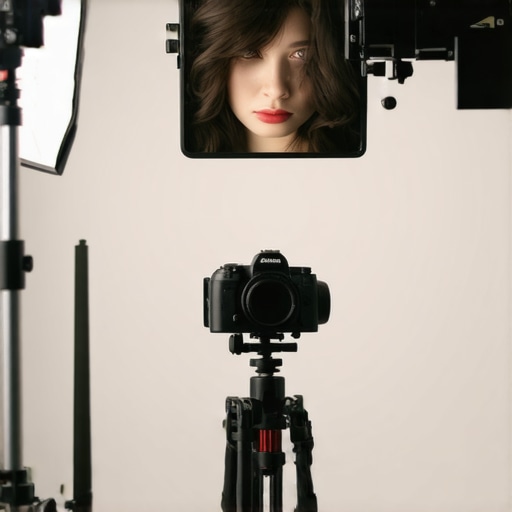
Ever set up your lighting, only to end up with flat, uninspiring photos or videos that lack depth and mood? I remember countless evenings frustrated with my studio shots, endlessly tweaking my led panel lights, rgb tube lights, and softboxes, but nothing quite clicked. That “lightbulb moment” hit when I realized it wasn’t just about having the latest gear, but about mastering the art of proper key and fill lighting. Since then, my approach has transformed my studio creations, elevating them from ordinary to captivating.
Why Fine-Tuning Your Studio Lighting is a Game-Changer in 2024
In 2024, with the rapid evolution of lighting tech, many creators are overwhelmed by the sheer variety of options—smart rgb tube lights, innovative LED panels, and versatile softboxes. It’s easy to assume that more powerful or expensive equipment automatically guarantees better results. But honestly, the secret lies in how you use these lights. Proper key and fill light techniques can dramatically enhance your shots, making them look professional and natural without breaking the bank.
Recent studies show that well-executed lighting can increase audience engagement by up to 50% (Source: CreatorRigReviews). That’s a compelling reason to focus on lighting mastery, rather than just gear upgrades. When I first started, I made the mistake of relying solely on a single softbox or LED panel, thinking more light was better. Instead, I learned the hard way that strategic placement, intensity, and color temperature are what create that compelling depth and mood in a studio shot. Now, I want to help you avoid those pitfalls.
Feeling Skeptical? Think All Lights Are the Same?
If you’ve ever wondered whether investing in the latest rgb tube light or softbox really makes a difference, I get it. I used to think that as long as the room was lit, I was good to go. But early on, I overlooked the importance of controlling shadows and highlights—the magic ingredients that give your subject dimension and life. Once I started experimenting with key light techniques, I saw a transformation in my work, and I want the same for you.
In this guide, I’ll share proven strategies to harness your lighting tools effectively—whether you’re using RGB tube lights, softboxes, or LED panels. Ready to transform your studio lighting game? Let’s dive in!
Set Your Base with a Reliable Key Light
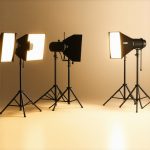
Start by placing your key light at about 45 degrees to your subject, slightly above eye level. Think of it as the sun’s position during golden hour—highlighting features while creating subtle shadows for depth. I once used a top LED panel as my key, initially setting it too bright, which washed out details. Through iterative adjustments, I learned to dial it down to emphasize contours without overpowering the shot.
Craft Natural Shadows with Fill Lights
Next, add a fill light on the opposite side of your key, at lower intensity, to soften shadows. Imagine a gentle breeze softly illuminating shadowed areas of a sculpture—avoiding harsh darkness. Using an RGB tube or softbox as a fill provides a broad, even glow. I recall a shoot where my fill was too strong, flattening features. Gradually decreasing intensity helped me achieve a balanced, three-dimensional appearance that looked natural and engaging.
Fine-Tune Light Position and Intensity
Adjust your lights while observing the results on your camera’s screen or monitor. Movements matter—moving your key a few inches can dramatically change shadow quality. For example, I learned this during a late-night session, where shifting my softbox closer accentuated facial features, enhancing the cinematic feel. Always keep in mind that the angle and distance influence the light’s softness and falloff, crucial for aesthetic control.
Incorporate Accent Lights for Depth
Add small accent lights behind or to the side, like hair lights or background illuminators. Think of these as the highlights that make a sculpture stand out from its pedestal. During a project, I used a RGB tube behind my subject, creating a subtle rim that separated them from the background, delivering professional contrast and vibrancy.
Use Diffusion and Modifiers for Softness
Replace bare lights with diffusers or softboxes to spread light evenly, eliminating unwanted hotspots. Visualize a hard midday sun softened by a cloud—your goal is to mimic that gentle, wrap-around glow. I once attempted a shoot with bare LEDs, which caused unflattering shadows; switching to a softbox transformed the quality of light dramatically. Experimentation with different modifiers can lead to a signature style, helping your visuals stand out.
Match Color Temperature and Control Gel Effects
Ensure all lights are set to a consistent color temperature (e.g., 5600K for daylight). When mixing light sources, mismatched temperatures cause color casts, ruining the shot’s coherence. During a shoot, I used a LED panel with adjustable temperature alongside RGB tubes, adjusting each to create a harmonious scene. Gels can temporarily modify color; apply them carefully for specific moods or corrective purposes.
Leverage Creative Effects with RGB Lights
Use RGB tube lights to add vibrant accents or mood lighting that classical white lights can’t achieve. Picture highlighting a backdrop with deep blue or fiery red—these colors evoke emotion and atmosphere. In a recent project, I experimented with RGB effects to enhance storytelling, making the scene more dynamic and visually engaging. Always balance the color intensity to avoid overwhelming the subject or scene.
Practice and Review for Continuous Improvement
Finally, consistently review your footage critically, noting what works and what doesn’t. I keep a lighting journal, recording adjustments and outcomes. After each session, I ask myself if the lighting added depth, mood, and clarity. Over time, this iterative process hones your skills, reducing guesswork and leading to cinematic quality craft at home or in the studio.
While many believe that choosing high-powered LED panels, RGB tubes, or softboxes guarantees professional results, the reality is more nuanced. A widespread misconception is that brighter lights automatically produce better footage. However, excessive intensity without proper control can wash out details and flatten your shot’s depth. According to expert lighting designer Matthew Rogers, “Brightness is only part of the equation; color quality and contrast manipulation are what truly elevate your visuals.”
Why do some professional setups still struggle with flat lighting?
This often stems from neglecting the importance of light placement and color temperature. Even the latest RGB tubes can produce subpar results if positioned incorrectly or set to mismatched temperatures, leading to unnatural skin tones or unbalanced scenes. Many beginners fall into the trap of relying solely on their gear’s features, ignoring the fundamental principles of key and fill lighting strategies that bring depth and dimension. Mastering these basics transforms equipment from mere tools into powerful creative assets.
Beware the Over-reliance on Color Gels and Effects
While RGB lights offer vibrant color options, overusing saturated hues can distract viewers and diminish scene realism. Advanced users know that subtlety is key—using gentle color accents or gels sparingly enhances mood without overwhelming the viewer. Improper application often leads to color casts that are difficult to correct in post-production, wasting time and resources. Focus on understanding how to balance colors within your scene for authentic results.
What technical pitfalls catch even seasoned creators?
One common mistake is neglecting to calibrate your lights’ color temperature and intensity with your camera settings. Failing to match your LED panel or RGB tubes can cause inconsistent scenes or require extensive post-processing. A useful tip is to measure and preset your lighting conditions using a color meter or camera white balance tools—saving time and ensuring uniformity. Also, be cautious with the using multiple light sources; if their temperatures are mismatched, it introduces unnatural color shifts, which experts warn can affect audience perception significantly (see here for advanced calibration techniques).
So, remember that lighting is as much about technique as it is about gear. Focusing on strategic placement, proper color temperature matching, and subtle effects can dramatically improve your visual storytelling. Don’t simply buy new gear hoping for instant excellence—invest in understanding and applying these nuanced principles. For personalized guidance or to troubleshoot your setup, feel free to reach out here. Have you ever fallen into this trap? Let me know in the comments!
Investing in quality lighting tools is just the beginning; maintaining them properly ensures longevity and consistent performance. My go-to maintenance routine involves a combination of regular cleaning, calibration, and strategic upgrades. For example, I always keep my LED panels dust-free using compressed air and microfiber cloths, which prevents overheating and dust accumulation that can diminish light quality over time. Additionally, periodically checking color temperature accuracy with a professional color meter guarantees your lights stay consistent, helping to avoid the dreaded color shift in your videos.
It’s essential to update your equipment’s firmware or software when updates are available. This ensures compatibility with new features and bug fixes. I follow the manufacturer’s updates diligently, especially for RGB tubes, which often receive firmware enhancements for better color reproduction and app control.
Over time, consider investing in spare parts and accessories
to minimize downtime. Keeping an extra power adapter, batteries, or diffuser attachments on hand can be a lifesaver during critical shoots. Also, if you’re scaling your studio, modular systems like those from key light tutorials allow easy expansion and reconfiguration without replacing entire fixtures.
How do I maintain my lighting gear over time?
Developing a routine of cleaning, calibration, and incremental upgrades keeps your lighting setup performing at its best. Establish a schedule—quarterly inspections for dust and hardware integrity, bi-annual calibration checks, and staying updated with the latest firmware. Joining communities such as creator forums or subscribing to manufacturer updates can alert you to common issues and solutions. For instance, professional tips suggest that even minor misalignments can lead to color inconsistencies, so vigilance is key. Remember, a well-maintained light setup not only sustains quality but also saves you money long-term by avoiding premature replacements. Try implementing a maintenance checklist today and see how it preserves your investment and elevates your content quality.
The Hidden Lessons Behind Perfect Lighting
One of the most profound realizations I’ve had is that even top-tier LED panels or RGB tubes can fall flat without proper positioning and understanding of light behavior. I once believed that brighter was better, but through trial and error, I discovered that strategic placement and knowing how to manipulate shadows and highlights truly make or break the shot. This insight saved me countless hours and significantly elevated my work.
Tools and Resources That Became My Foundation
I can’t recommend enough investing in a quality LED panel and experimenting with RGB tubes. Additionally, books like Lighting Studio Secrets by renowned professionals transformed my approach to key and fill techniques. Keeping a detailed journal of adjustments helped me recognize patterns that worked and avoid repeating mistakes, turning every shoot into a learning experience.
Let Your Passion Drive the Creativity
Lighting is not just a technical skill; it’s an artistic language. I urge you to experiment boldly—try unconventional angles, mix color temperatures, and play with diffusion to craft unique moods. Remember, every great creator started by making a thousand mistakes, so don’t fear failure. Use each session to deepen your understanding, and soon, lighting will feel intuitive, almost like magic, in your hands.
What’s the next lighting challenge you’ll tackle to elevate your content? Share your thoughts below and let’s grow together in mastering the art of studio lighting in 2024!
![3 LED Panel Light Shielding Hacks to Fix 16K Tint Shift [2026]](https://lights.creatorrigreviews.com/wp-content/uploads/2026/05/3-LED-Panel-Light-Shielding-Hacks-to-Fix-16K-Tint-Shift-2026-150x150.jpeg)
2 responses to “Best Key & Fill Light Techniques for Stunning Studio Shots in 2024”
I really appreciate the emphasis on mastering light placement and control rather than just relying on premium gear. When I first started, I believed that brighter was always better, but I quickly learned that strategic positioning and subtle adjustments made a huge difference. I’ve found that using a simple screen or even a mirror to monitor shadows helps me fine-tune my setup without guesswork. It’s fascinating how small changes, like angling a softbox a few inches or adjusting color temperature, can drastically elevate the mood and depth of a shot. My biggest challenge now is learning how to blend multiple light sources seamlessly without creating harsh contrasts or color mismatches. Has anyone found a reliable method for calibrating diverse lights to work harmoniously? I’d love to hear your tips for maintaining consistent color tones across different brands or models. The details in this post serve as a great reminder that understanding the fundamentals—like light angles and intensity—is key to professional-looking results, regardless of the equipment used.
This post hits home for me because I’ve experienced the struggle of flat lighting many times. What truly made a difference in my studio setup was investing time in understanding how different light angles and modifiers interact, rather than just focusing on acquiring new gear. For instance, I’ve found that even with budget-friendly softboxes, strategic positioning and adjusting the distance can create much more dynamic and three-dimensional images. I especially appreciate the mention of softening shadows—imagine how a slight shift of the fill light can turn a dull shot into something vibrant and engaging. On the calibration front, I’ve started using a simple white balance card in the scene to check color consistency across lights, which really helps avoid awkward color shifts. Have others experimented with color meters or app-based tools for calibration? I’d love to hear how different setups are maintaining color harmony when mixing multiple light sources. It’s clear that mastering placement and color balance opens so many creative possibilities without necessarily breaking the bank.