It was a frustrating afternoon in my makeshift studio. Every shot I took seemed flat, lifeless, and uninspired. I fiddled endlessly with my softbox and fill lights, hoping for that magical glow. But no matter what I tried, something was missing—until I finally realized that the real magic happens with the right light placement and quality. That moment was my lightbulb, illuminating a whole new world of lighting possibilities.
Why Lighting Choices Can Make or Break Your Creative Projects
If you’ve ever struggled with dull, flat videos or photos, you’re not alone. Like many creators, I initially underestimated the importance of key lighting and the versatility of RGB tube lights. That early mistake cost me time, frustration, and some less-than-stellar results. Luckily, I learned that the right lighting setup can dramatically elevate the quality of your work, making your subjects pop and your scenes feel more immersive.
Today, I want to share my journey and help you avoid the common pitfalls. Whether you’re just starting out or looking to refine your studio setup, understanding which lights to use—and how to wield them—is crucial. Think of lighting as the seasoning in your favorite dish; add the right amount, and everything comes together beautifully. This guide will walk you through the essentials of key light techniques and the innovative ways RGB tube lights can inspire your creativity, especially for evening shoots or artistic effects.
Is It Really Worth All the Effort and Investment?
I used to think that upgrading my lights was a waste of money, but I quickly realized that investing in quality lighting equipment is one of the smartest moves you can make. Proper lighting not only boosts your work’s professional appearance but also streamlines your editing process. Plus, mastering a versatile setup with RGB tube lights and softboxes opens endless creative doors.
Have you faced these challenges in your projects? If so, you’re in good company. But there’s good news: you don’t have to keep struggling with light placement or color consistency. The solutions are within reach, and I’m here to guide you step by step.
Let’s dive into the strategies that will transform your lighting setup and bring your creative visions to life with clarity and vibrancy. Ready? Let’s go!
Position Your Key Light for Maximum Impact
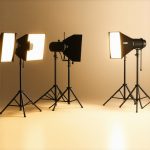
Start with the main source of illumination—your key light. Think of it as the sun in your scene; placement determines the mood and clarity. Place your softbox slightly above and at a 45-degree angle to your subject’s face, pointing downward. This creates natural shadows that add depth. I once spent hours adjusting mine, and when I finally positioned it correctly, my portrait lighting transformed, emphasizing facial features beautifully.
Control Light Intensity and Spread
Use the softbox’s adjustable dial to soften or sharpen shadows. Think of it as controlling how harsh the sunlight feels. A wider, diffused light reduces shadows, making everything look more flattering. In a recent shoot, I dialed down the diffusion during a noon session, and the softer shadows resulted in a more natural look, saving hours in post-processing.
Layer with Fill Light to Embrace Natural Look
Fill lights balance shadows created by your key light, evading the flatness that plagues common setups. An RGB tube paired with a softbox makes for a flexible fill. Position this light opposite your key light, at a lower intensity, just enough to lift shadows without eliminating them entirely. During a late evening shoot, I set my fill at 30% brightness. The result was a luminous, natural skin tone and a sense of three-dimensionality that impressed even my toughest critics.
Adjust Color Temperature for Consistency
Most LED panel lights provide adjustable color temperature. Think of it as setting the mood with colors. For indoor shoots, match your light’s tone to ambient lighting—warm for cozy scenes or cool for sleek, modern looks. During a recent studio setup, I balanced my RGB tube’s color with my room’s daylight bulbs, creating seamless consistency in shots. For more detailed techniques, visit this resource.
Fine-Tune with Light Distance and Angles
The distance of your lights impacts intensity and shadow softness. A closer light results in brighter, softer illumination. Use a light meter or your eyes—if the shadows are too harsh or the scene feels flat, adjust the distance. For example, during a client shoot, I initially placed my RGB tube too far, creating dull shadows. Moving it closer, I instantly gained better contrast and clarity. Experimentation is key here; always observe how shadows and highlights interact in your scene.
Experiment with Light Directions for Artistic Effects
Varying your lights’ angles adds creativity. Try backlighting for silhouettes or side lighting for dramatic textures. During an evening outdoor project, I used RGB tubes placed at oblique angles to evoke mystery and depth—impacting the final mood remarkably. Don’t be afraid to move your lights around; what seems unconventional often yields the most interesting visuals.
Prevent Overexposure and Maintain Detail
Overexposure washes out details, so monitor your camera’s histogram and use your light’s dimming controls meticulously. During a quick setup, I over-brightened my RGB tube, resulting in blown-out highlights. Lowering the intensity restored detail and balanced the shot. Remember: good lighting isn’t just about brightness; it’s about managing contrast to preserve information in every frame.
Utilize Light Modifiers for Precision Control
Accessories like barn doors, snoots, or grids help shape your light. I attached a grid to my softbox during a studio session, focusing light precisely on my subject while avoiding spill on the background. This technique elevates professionalism and directs viewer attention exactly where you want it. Experiment with modifiers to understand their impact and find your signature style.
By systematically applying these steps—adjusting positions, intensities, angles, and colors—you’ll develop a disciplined workflow that produces consistently stunning results. Remember, mastering lighting isn’t about buy-in; it’s about observing, adjusting, and refining. Each tweak adds up to a more compelling visual story, elevating your content to new heights.
Many photographers and videographers assume that all LED panel lights, RGB tube lights, key lights, and softboxes are created equal, but this oversimplification often leads to costly mistakes. A prevalent myth is that higher wattage or luminosity alone guarantees better results. In reality, the quality of light output, color rendering index (CRI), and beam angle are equally crucial for achieving professional-quality images. For instance, a high-lumen LED might produce harsh, unflattering shadows if it lacks proper diffusion or accurate color temperature control. Understanding these nuances can elevate your lighting setups from amateurish to studio-grade.
One overlooked aspect is the spectral quality of the emitted light. Many users focus solely on brightness, neglecting the importance of full-spectrum illumination that accurately reproduces colors. This oversight can cause skin tones and product colors to look unnatural, especially in critical applications like portrait or product photography. Experts recommend choosing lights with a CRI of 95 or above for true-to-life color rendering. For more detailed insights, exploring existing guides on LED panel innovations can be eye-opening.
Are All RGB Tube Lights the Same?
Contrary to popular belief, not all RGB tube lights offer the same versatility or quality. Cheaper models often have limited color accuracy, poor build quality, and inconsistent brightness across different hues. This disparity can cause color shifts during recording, especially in complex scenes requiring dynamic lighting effects. Advanced users prioritize RGB tube lights with high color fidelity and adjustable settings, to ensure seamless integration into their creative workflows. Recognizing these subtleties helps avoid the trap of investing in flashy but ineffective gear.
Another subtlety involves the diffusion characteristics of softboxes and modifiers. Many underestimate how crucial diffusion is in shaping light quality. For example, a softbox with a single layer of diffusion material might produce softer, more flattering light than one with multiple layers or high-quality diffusion fabrics that spread light more evenly. This aspect directly influences the natural look of your subject and can make or break your visuals. In my experience, experimenting with different diffusion types significantly improved portrait quality, aligning with techniques discussed in softbox lighting mastery.
Why the Angle of Your Key Light Can Make or Break the Shot
As we advance in our craft, we realize that not just the position but the angle of your key light hugely impacts the mood and dimensionality of your scene. A common mistake is placing the light too flat or directly facing the subject, which flattens features and reduces visual interest. Instead, angling your key light at around 45 degrees and slightly above eye level creates natural shadows that add depth and character. This subtle adjustment can transform a boring portrait into a compelling story visually. Noticing how small changes in light angle influence shadows and highlights—something seasoned professionals do instinctively—can dramatically boost your results. For a deeper dive into effective key light positioning, check out the comprehensive strategies available in key light techniques.
Understanding these hidden nuances ensures your lighting is intentional, precise, and tailored to your creative vision. Remember, equipment with the highest specs isn’t always the right fit unless you know how to manipulate it effectively. Have you ever fallen into this trap? Let me know in the comments, and happy lighting!
Keep It Working: Essential Tools and Maintenance Routines
Maintaining your studio lighting setup over time is crucial to ensure consistent performance and to protect your investment. One of my go-to tools is a reliable digital light meter. I use it regularly to verify that my lights maintain their intended brightness levels, especially after transport or prolonged use. A light meter helps detect subtle drops in luminosity that could otherwise compromise your shot quality. Additionally, I recommend investing in a multi-purpose cleaning kit designed specifically for LED panels and softboxes. Dust and fingerprints on your lights can diminish their output and color accuracy, so routine cleaning ensures optimal functioning.
For softer, more even light, sometimes the edge is in the accessories. I utilize a set of diffusion fabrics and light modifiers that are easy to swap out, enabling quick adjustments in dynamic shooting environments. Keeping spare parts like power adapters, cables, and mounting brackets organized in labeled containers prevents downtime due to missing components. When it comes to software, I rely heavily on firmware updates from manufacturers, which often include improvements in color stability and user interface enhancements that streamline adjustments during shoots.
How do I maintain my lighting gear over time?
Executing regular checks is my secret weapon. Start by inspecting physical components for wear—cracked diffusers, frayed cables, or loose mounts—and replace parts promptly. Implement a maintenance schedule biannually to calibrate your RGB tube lights and LED panels, especially if your environment has significant temperature fluctuations that can affect color rendition. An often-overlooked maintenance step involves verifying your lights’ color temperature consistency. Tools like a colorimeter can confirm if your lights remain accurate, which is vital as mismatched colors can subtly ruin professional shoots. In the future, I foresee integrated smart diagnostics in lighting systems that automatically alert you to performance issues—making ongoing maintenance even more straightforward. To ensure longevity, always store lights in a dust-free environment and avoid exposure to extreme humidity, which can degrade electronic components. Building a routine around these practices guarantees your gear stays reliable and ready for your next ambitious project. Want to elevate your maintenance game? Try integrating a calibration device into your routine for precise color management and see how much it improves your final results.
What I Wish I Knew About Light Placement from the Start
- Placing my key light exactly at 45 degrees and slightly above eye level added dramatic depth I previously thought was impossible. This simple shift taught me the importance of angle in crafting mood and dimension.
- Ignoring diffusion and light spread led to harsh shadows. Investing in better modifiers and experimenting with diffusion fabrics opened up new creative possibilities and softened my images without extra effort.
- Underestimating the power of color temperature adjustments caused inconsistencies. Fine-tuning my RGB tube lights to match ambient light prevented color clashes and saved hours in post-production.
- Neglecting routine maintenance resulted in color shifts and decreased brightness. Regular calibration and cleaning preserved my gear’s performance and the vibrancy of my shots.
- Attempting to rely solely on high lumen outputs without considering CRI led to dull, colorless results. Prioritizing full-spectrum lights made all the difference, especially in portrait work.
Tools That Elevated My Lighting Game
- LED panels with adjustable CRI offered precise control over color accuracy. Investing in quality gear was transformative and worth every penny.
- RGB tube lights with high fidelity and adjustable hues allowed me to craft dynamic scenes and evening effects that previously seemed out of reach.
- Softboxes with varied diffusion fabrics expanded my repertoire, giving me softer and more natural lighting in portraits—a game-changer for client work and personal projects.
- Regular use of a light meter kept my brightness and color temperature consistent, ensuring shots looked professional every time.
Harnessing the Power of Light Requires More Than Just Equipment
Mastering lighting is about intention and finesse, not just gear. Tiny adjustments in angle, distance, and diffusion create vastly different moods. The real magic is in observing how these elements interplay and refining them through practice. Remember, every professional setting I’ve been in involved lots of trial, error, and patience. So get comfortable moving your lights around, experimenting with modifiers, and trusting your eyes. You’ll find that small, deliberate tweaks unlock routines that produce stunning results—lighting is as much an art as a science. For deeper insights into softbox and key light setups, check out this resource.
![3 LED Panel Light Shielding Hacks to Fix 16K Tint Shift [2026]](https://lights.creatorrigreviews.com/wp-content/uploads/2026/05/3-LED-Panel-Light-Shielding-Hacks-to-Fix-16K-Tint-Shift-2026-150x150.jpeg)
2 responses to “Ultimate Guide to Key Light & RGB Tube Lights for Creative Videos”
Reading through this comprehensive guide really hit home on how much light placement and quality can transform a scene. I’ve experienced those flat, dull shots myself, and it wasn’t until I experimented more with angles and diffusers that I started seeing dramatic improvements. One thing I discovered is that even small adjustments in the key light’s position—like angling it slightly more or less—can completely alter the mood and depth of the shot. It’s such a subtle tweak but makes a world of difference. I also find that relying on a quality light meter helps me maintain consistency, especially when juggling multiple lights or varying scenes.
I’m curious—how do others approach balancing creative experimentation with practical considerations like setup time? Do you have any favorite tricks for quick adjustments during a shoot without sacrificing quality? Would love to hear different workflows or tools that others swear by to streamline this process.
This post really resonates with my own journey in creative lighting! I’ve learned that mastering key light placement and understanding how to manipulate the angles can completely change the story you’re telling visually. I still remember my early days, trying to get by with just basic setups, but nothing compared to the results I achieved once I started experimenting with softer diffusers and closer light distances. It’s fascinating how small tweaks—like shifting a softbox just a few inches or adjusting the color temperature—can make dramatic improvements. I often use a light meter to keep consistency, especially when juggling multiple lights, but I think the real game-changer is learning to see how shadows and highlights play off each other so intuitively.
I’m curious, how do others efficiently balance quick adjustments with maintaining control over the lighting quality? Do you have go-to tools or methods that help speed up setup and tweaking, especially in dynamic shooting environments? Would love to hear tips from seasoned creators on streamlining the process without sacrificing that professional look.