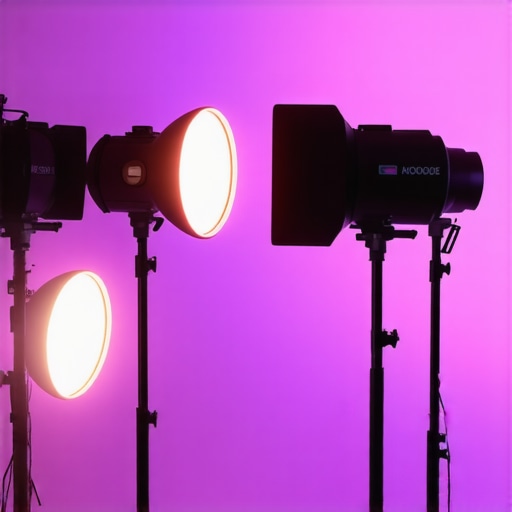
Have you ever set up your softbox or RGB tube lights only to realize that your footage looks flat, dull, or just not as vibrant as you envisioned? I remember countless late nights trying to tweak my lighting, only to end up frustrated, thinking I was missing some secret formula. That moment of frustration was my lightbulb moment—realizing that effective lighting isn’t just about buying the coolest gear but understanding how to use it properly. If you’ve faced the same struggle, you’re not alone. The good news? There are proven tips and tricks that can elevate your studio lighting game in 2024.
Why Proper Lighting Matters More Than Ever
In today’s saturated content landscape, standing out requires more than just good content; it demands professional-looking visuals. Proper lighting can make or break your video or photo quality. It’s the difference between a shot that looks amateurish and one that commands attention. And with advancements in LED technology—like softboxes and RGB tube lights—it’s easier than ever to craft just the right mood, tone, and clarity. According to a recent study by Creator Rig Reviews, well-executed lighting can boost viewer engagement by up to 80%. That’s huge! But here’s the catch—many creators jump into lighting setups without understanding the fundamentals, leading to wasted time and subpar results.
Have You Faced This Common Lighting Dilemma?
Early in my journey, I made a rookie mistake: I bought a fancy RGB tube light without learning how to properly blend colors or set the right intensity. My videos looked like a rainbow exploded in my studio—bright, chaotic, and distracting. It wasn’t until I started mastering key techniques—like softbox placement and color temperature control—that my footage transformed. Trust me, understanding these basics is worth the effort. If you want your lighting to truly shine, keep reading. I’ll guide you through practical, proven tips that work in 2024, ensuring your setup is both efficient and stunning.
Ready to elevate your lighting game? Let’s dig into the details that will bring your studio to life like never before.
Place Your Lights Strategically for a Flattering Look
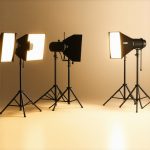
Start by positioning your key light at a 45-degree angle to your subject, slightly above eye level. This creates natural shadows and depth, avoiding flatness. I once set up my softbox directly in front of my subject, which made their face look two-dimensional. When I shifted the softbox to the side and raised it, the transformation was remarkable—more dimension and a professional touch.
Softbox Placement
Think of your softbox as a window to natural light. Place it at a 45-degree angle to mimic sunlight coming from the side. Keep it about 2-3 feet from your subject for soft, flattering light. Experiment with distance: moving it closer increases softness and brightness, while pulling it back gives a more subtle glow. Use a light meter or your camera’s histogram to monitor exposure levels.
Control Your Light Intensity and Color Temperature
Use dimmers or adjust the brightness settings on your RGB tube lights and LED panels. For instance, I set my RGB tube lights to 70% brightness during midday shoots to prevent overexposure. Match the color temperature of your lights to your environment—daylight (5600K) for natural looks, or warmer tones (3200K) for cozy scenes. I once forgot to adjust my RGB tubes to match my window light, resulting in a jarring color mismatch that I later fixed by tweaking the settings.
Color Blending Tips
Use RGB tube lights to add creative color accents, but balance them with neutral lights. Think of RGB lights as spices; a little goes a long way. For example, during an evening shoot, I added a subtle blue hue to the background using RGB tubes, which elevated the mood without overwhelming the scene. Achieve this by adjusting the hue and saturation controls in your RGB light app or controller.
Balance Light with Fill Techniques
Fill lights soften shadows cast by your key light. Use a smaller softbox or a lower-intensity RGB tube for fill. I once used a small LED panel as a fill light, placed opposite the key light at half the brightness, which smoothed harsh shadows on my subject’s face. Think of fill as the gentle breeze that balances the harsh sun—subtle but essential.
Natural Light Mimicry
To mimic natural light, position your fill light at a lower power and at eye level. If shooting in the evening, use a fill light with a warmer tone, like the fill light secrets article for detailed techniques. I once experimented with a small RGB tube at 30% brightness to create a natural, balanced look that made my subject pop without looking artificial.
Fine-Tune with Practical Adjustments
Use flags or gobos to block or shape light, preventing unwanted spill. This is like sculpting your light to fall exactly where you want it. I used a piece of black foam board to block spill from my RGB tube, focusing the light precisely on my subject’s face. Small tweaks like these can significantly improve your scene’s clarity and professionalism.
Test and Iterate
Always take test shots after adjustments. I remember spending an hour tweaking my lights, only to realize the background was too dark. A quick test shot revealed the need for a slight increase in fill light. Patience with iterative testing ensures your lighting setup is optimized for each scene.
With these techniques, your studio lighting will become more intuitive and effective. Practice regularly, and don’t be afraid to experiment—sometimes, the most creative lighting setups come from happy accidents and bold adjustments.
When it comes to studio lighting, many creators fall into the trap of oversimplifying the capabilities of their gear or following popular myths without questioning their validity. As someone who has spent years experimenting with different lighting setups, I can tell you that understanding the nuanced differences between softboxes, LED panels, RGB tubes, key lights, and fill lights can make all the difference in your results. Let’s dig deeper into what most people get wrong and uncover the hidden truths that can elevate your lighting game.
Myth: Bigger is Always Better for Softboxes
One common misconception is that larger softboxes automatically produce softer, more flattering light. While size does influence softness, the distance between your softbox and the subject is equally crucial. A small softbox placed close to the subject can outperform a large softbox placed too far away, resulting in a harsher light. The real secret lies in understanding how to position your modifiers for the desired effect, not just their size. For a professional portrait, mastering softbox placement—like using the techniques for perfect softbox portraits—is essential.
Why You Should Be Wary of RGB Tube Overuse
RGB tubes are versatile and visually striking, but many creators make the mistake of overusing bright, saturated colors in their scenes. This not only distracts viewers but can also clash with your subject’s tone, creating an unnatural look. The key is subtlety—using RGB tubes as accent lighting rather than the main source. For advanced users, controlling hue and saturation carefully—like the techniques discussed in RGB tube effects for evening shoots—is vital for achieving a cinematic, cohesive look.
How Do LED Panels Differ in Practice from Traditional Lights?
Many believe that LED panels are just a brighter, more energy-efficient version of traditional lights, but the reality is more nuanced. Modern LED panels offer advanced control over color temperature and brightness, which can be highly beneficial for dynamic scenes. However, some cheap models suffer from flickering or color inconsistency. The *real* benefit comes from understanding how to leverage these controls—like adjusting color temperature in LED panel innovations—to match ambient light or create mood. Skimping on quality or ignoring calibration can lead to subpar results, despite the high-tech appeal.
What Advanced Creators Miss About Key and Fill Lights
Many focus solely on positioning key and fill lights for basic illumination, but a more advanced approach involves understanding their interaction with shadows and depth. The goal isn’t just to eliminate shadows but to sculpt your subject’s features for maximum visual impact. For example, using flags or gobos to shape light precisely, as explained in advanced key and fill techniques, can add a professional touch. Additionally, balancing the color temperature of your lights—matching your environment or creating contrast—can dramatically alter the scene’s mood.
In conclusion, going beyond the basics and questioning common beliefs about lighting gear reveals a world of hidden nuances. Whether it’s softbox placement, RGB color control, LED panel calibration, or strategic use of key and fill, mastering these details leads to truly professional results. Have you ever fallen into this trap? Let me know in the comments.
Maintaining your studio lighting setup, especially when working with softboxes, LED panels, RGB tubes, key, and fill lights, is crucial for consistent, professional results. Over time, even the best gear can suffer from issues like flickering, color shifts, or reduced brightness. To ensure your lights keep performing at their best, I rely on a few specific tools and routines that I’ve personally tested and recommend.
Invest in a Quality Light Meter
A reliable light meter is indispensable for maintaining consistent lighting levels. I personally use the Sekonic L-308X-U because of its precision and ease of use. It allows me to quickly measure the illumination on my subject and adjust my LED panels or softboxes accordingly. This tool helps avoid the common mistake of relying solely on camera settings, which can be misleading due to metering errors or scene variations. Regularly checking your light output ensures your lighting remains uniform, especially when using RGB tube lights that can fluctuate with temperature or power supply inconsistencies.
Use Calibration Tools for Color Consistency
Color shifts are a common problem as lights age or if they’re subjected to temperature changes. I recommend using a calibration card like the X-Rite ColorChecker to verify color accuracy periodically. When paired with software like DaVinci Resolve or Adobe Lightroom, you can calibrate your LED panels and RGB tubes to match a target color temperature. This is particularly important when blending different types of lights, such as softboxes and RGB tubes, to ensure seamless color harmony in your footage.
Keep Your Gear Clean and Properly Stored
Dust and dirt can diminish light output and cause uneven color. I keep my softboxes and LED panels covered when not in use and clean the lenses and diffusers regularly with a soft, lint-free cloth. For storage, I use dedicated cases that prevent accidental damage and dust accumulation. Regular maintenance prolongs the lifespan of your lights and maintains their performance, saving you money and headaches in the long run.
Implement Routine Checks and Updates
Set a schedule—monthly or quarterly—to inspect your lighting equipment. Check for flickering LEDs, loose connections, or firmware updates for your RGB tube lights and LED panels. Manufacturers often release firmware updates that improve stability and color accuracy, so staying current can prevent issues before they affect your shoots. For example, keeping your LED panels updated is a simple yet effective way to ensure peak performance.
Future Trends in Lighting Maintenance and Tools
As lighting technology advances, expect more integrated solutions like smart fixtures with built-in diagnostics and remote calibration capabilities. In the near future, AI-driven tools may automatically detect and correct color shifts or brightness drops, making maintenance even easier. Staying ahead of these trends will allow you to invest in equipment that not only performs well today but adapts to future innovations.
Don’t wait for your lights to fail during a crucial shoot. Incorporate these tools and routines into your regular practice, and you’ll keep your studio lighting reliable and professional. Want to take your maintenance game even further? Try setting up a quick weekly check using your light meter and calibration tools—it’s a small step that pays off big in consistent, high-quality results.
The Hardest Lesson I Learned About softbox, led panel light, rgb tube light, key light, fill light
One of the most eye-opening moments in my lighting journey was realizing that bigger softboxes aren’t always better. I used to believe that a massive softbox would automatically produce the softest, most flattering light. Turns out, placement and distance matter more than size. I learned this the hard way when my portraits looked harsh simply because I placed my softbox too far away. The moment I brought it closer and adjusted the angle, everything changed—more depth, more natural skin tones. It’s a lesson that transformed my approach and saved me hours of frustration.
Why RGB Tubes Can Be a Double-Edged Sword
RGB tube lights are incredibly versatile and add stunning effects, but overusing saturated colors can distract viewers or clash with your scene’s mood. I once overdone the blue hue in a scene, and it felt unnatural. Now, I use RGB tubes as accents, subtly blending hues to enhance rather than overpower. Learning to control hue, saturation, and intensity with your app or controller is key—think of RGB tubes as spices, not the main course. This subtlety elevates your footage and keeps it cohesive.
The Value of Calibration and Routine Checks
Regular calibration and maintenance are often overlooked but essential. I rely on a quality light meter like the Sekonic L-308X-U to monitor consistent output. Periodically, I use a calibration card like the X-Rite ColorChecker to ensure color accuracy across all lights. These small routines prevent color shifts, flickering, or uneven brightness, especially with RGB tubes that can vary with temperature. Staying on top of maintenance means your lighting remains dependable and professional—crucial when deadlines loom.
Where to Go from Here for Better Lighting
If you’re serious about elevating your studio lighting, I recommend exploring tools like LED panel lighting innovations and investing in a good light meter. Also, consider reading books like Lighting for Cinematography to deepen your understanding. These resources helped me develop a nuanced approach that makes every shot feel intentional and polished. Remember, mastery isn’t achieved overnight, but each step brings your work closer to professional quality.
Your Turn to Shine With Better Lighting
Lighting isn’t just about gear; it’s about technique, patience, and a willingness to learn from mistakes. Every scene is an opportunity to experiment and refine. I challenge you to revisit your setup, apply these lessons, and see the difference. Whether you’re shooting portraits, videos, or creative projects, your lighting can tell a story as compelling as your content. So, what’s the first tweak you’ll try today? Let me know below!
![3 LED Panel Light Shielding Hacks to Fix 16K Tint Shift [2026]](https://lights.creatorrigreviews.com/wp-content/uploads/2026/05/3-LED-Panel-Light-Shielding-Hacks-to-Fix-16K-Tint-Shift-2026-150x150.jpeg)
One response to “Best Softbox and RGB Tube Lighting Tips for Creators in 2024”