Ever set up your studio lighting only to find your portraits look flat, dull, or oddly colored? I’ve been there. I remember thinking I understood softboxes and key lights until I realized my shots lacked that professional punch. The breakthrough came when I finally cracked the code on how to position and choose the right lighting gear. That’s when everything changed. If you’ve ever struggled with achieving natural-looking, flattering light in your studio, you’re not alone. And good news—today, I’m going to share the real secrets that transformed my workflow and can do the same for you.
Why Lighting Matters More Than You Think
Studio lighting isn’t just about having bright LEDs or softboxes hanging in the right spots. It’s about shaping your subject’s appearance, mood, and even the story you tell. The quality of your light influences skin tones, textures, and the overall atmosphere of your images. When I first started, I wasted countless hours tweaking settings, trying to mimic natural light. But I often failed because I overlooked one crucial element: light placement and modifiers. Interestingly, a study from the scientific research shows that lighting angles can significantly impact perceived attractiveness, even in photographs. That’s why understanding how to position your softbox and key light can make or break your shots.
Have You Faced this Common Lighting Dilemma?
If you’ve ever wondered why your portraits don’t look professional despite using good gear, I’ve got news for you. The mistake I made early on was focusing too much on equipment and not enough on positioning and technique. I thought simply having a big softbox would do the trick. Nope. It’s about how you shape the light—its angle, distance, and even the color temperature. Want to learn how to avoid these pitfalls? Stick around. We’ll cover actionable tips that will elevate your studio lighting game in 2024.
Position Your Softbox for Flattering, Natural Light
Start by placing your softbox at about 45 degrees to your subject’s face, slightly above eye level. This angle mimics natural sunlight and creates gentle shadows that sculpt features. I once set up my softbox directly in front of my model, resulting in flat lighting that washed out facial contours. When I moved it to a 45-degree angle, the difference was night and day—more depth, more dimension, and a professional glow.
Experiment with Distance for the Perfect Wrap
Keep your softbox close enough to wrap light softly around the face, usually within 3 to 5 feet. Moving it closer increases softness and reduces harsh shadows. I found that when I moved my softbox from 6 feet to 3 feet, skin textures became smoother, and catchlights in the eyes looked more natural. Remember, the closer the light, the softer and more flattering the shadows.
Control Your Light with Proper Modifiers and Angles
Use grids or barn doors to control spill and focus light precisely where you want it. For a subtle catchlight, angle your softbox slightly downward, so it hits the eyes just right. During a recent shoot, I added a grid to my softbox, which prevented light from spilling onto the background, keeping the focus solely on the subject’s face. This simple step enhanced the image’s professional look.
Utilize Reflectors and Fill Lights for Balance
Introduce a fill light or reflector opposite your softbox to soften shadows. For a natural look, I often bounce some light back onto the shadowed side of the face using a reflector. Check out the fill light secrets for achieving a natural glow even in controlled studio environments. This prevents the shadows from becoming too harsh or distracting.
Adjust Your Lighting in Real-Time for Consistency
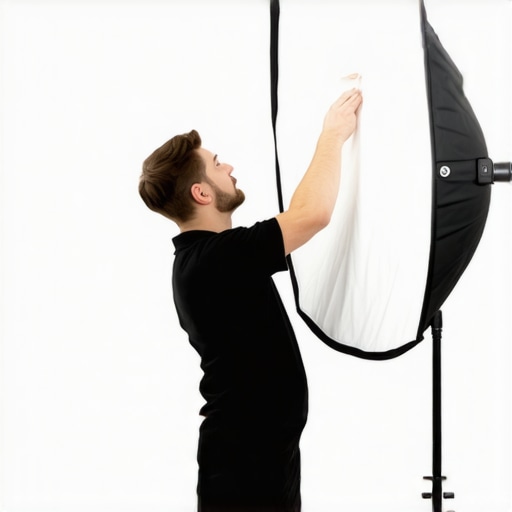
Always review your shots on a monitor and tweak your softbox’s position and angle accordingly. A quick adjustment in my studio, shifting my softbox slightly upward, transformed a flat-looking portrait into a vibrant, dimensional image. Use a mirror or your camera’s live view to check how light wraps around your subject’s face before finalizing your shot.
Leverage Technology for Better Control
Advanced LED panels and RGB tube lights can complement softboxes by adding subtle color accents or fill light variations. For example, I used an RGB tube light to add a slight hue to the background, making the subject pop more. Explore the RGB tube light tips for creative effects that enhance your portrait lighting setup.
< >
>
Many photographers believe that simply having high-end lighting gear guarantees professional results. However, the real secret lies in understanding the nuanced interplay of light placement, modifiers, and advanced techniques. A common myth is that brighter lights always produce better portraits, but in reality, overexposure can flatten features and reduce detail, especially when not balanced with proper fill and diffusion. For instance, using a powerful LED panel without considering its angle or diffusion can create harsh shadows and unflattering skin tones. Instead, I recommend exploring latest LED panel innovations to achieve softer, more controlled light that mimics natural conditions.
Many enthusiasts also fall into the trap of relying solely on softboxes, assuming they are foolproof. While softboxes are excellent for creating gentle, wrapping light, their effectiveness depends heavily on how they are positioned and modified. A softbox placed directly in front of the subject can lead to flat, unflattering images, especially if the goal is to add dimension. Instead, angle your softbox at about 45 degrees and experiment with distance to find the perfect balance between softness and shape. For advanced setups, consider using RGB tube lights with softboxes to add subtle color accents and creative lighting effects, elevating your portraits beyond basic setups.
Another misconception is that you should always aim for the most diffuse light possible. While diffusion is crucial for flattering skin, over-diffusing can eliminate shadows necessary for depth. Shadows are not the enemy; they are tools to sculpt and define features. For example, a slight feathering of shadows with barn doors or grids can add a natural dimension to your subjects’ faces. As I highlight in softbox and RGB-tube light guides, mastering how to control shadow intensity is an advanced skill that separates amateur from professional lighting.
How can I improve my lighting setup for more natural results?
Focus on refining your light placement and modifiers, using real-time review tools like LCD monitors or live view to make micro-adjustments. Consider integrating fill lights or reflectors to balance shadows, and don’t be afraid to experiment with angles and distances. Remember, lighting is an art of subtle control, not just equipment. For deeper insights, check out comprehensive softbox and RGB lighting strategies. Have you ever fallen into this trap? Let me know in the comments.
Keeping your studio lighting setup reliable and top-notch requires more than just choosing the right gear; it involves regular maintenance, strategic tool use, and planning for future growth. In 2024, I’ve found that integrating specific equipment and routines can drastically extend the lifespan of your lights and ensure consistent, professional results.
How do I maintain my lighting gear over time?
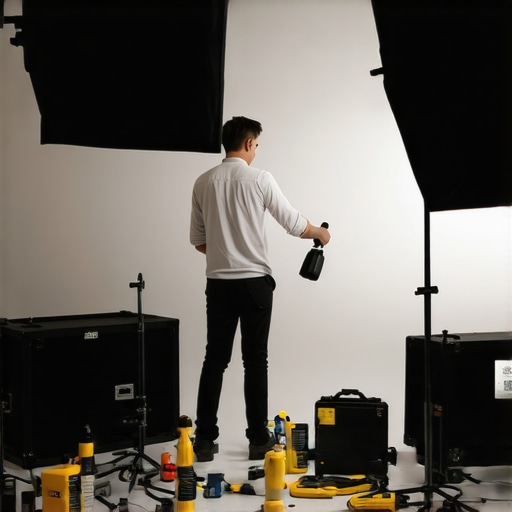
First, always keep your lights clean. Dust and debris can reduce output and cause overheating. Use a soft, lint-free cloth and avoid harsh chemicals that could damage sensitive components. Regularly inspect power cords and connectors for signs of wear or damage—replacing frayed cables immediately prevents short circuits and fire hazards. For softboxes and diffusers, gentle washing with mild soap keeps them translucent and effective. To prevent moisture buildup, store your gear in a dry, temperature-controlled environment, especially if you live in humid climates.
Tools I recommend for long-term success
Invest in a good softbox and RGB tube light maintenance kit that includes microfiber cloths, compressed air cans, and lens cleaning solutions. These tools help keep your diffusers spotless and your lights free of dust, ensuring uniform light quality. Additionally, a multimeter is invaluable for diagnosing electrical issues early, saving you from costly failures during critical shoots.
Consider using a power meter to monitor your light’s energy consumption and detect inefficiencies that might signal aging components. For software, I rely on lighting control apps that allow remote adjustments and troubleshooting, which is especially useful when managing multiple lights in complex setups.
Future-proof your setup
As technology advances, I predict that smart lighting systems with IoT connectivity will become standard. These will allow real-time diagnostics and automated maintenance alerts, reducing downtime. For now, stay ahead by choosing LED lights with modular components, so you can replace or upgrade parts instead of entire fixtures. Regular firmware updates from manufacturers also ensure your gear stays compatible with new tech and features.
Try incorporating a routine check every month, including cleaning, inspecting, and testing your gear with tools like a multimeter or power meter. This proactive approach will save you time and money, ensuring your studio remains a creative hub ready for any project.
< >
>
Many photographers spend a fortune on top-tier lighting gear but still struggle to achieve the natural, flattering portraits they envision. The secret often lies not in the equipment itself but in how you position and modify your lights. Over the years, I’ve learned that mastering the nuances of light placement and understanding the art of shaping light can elevate your studio portraits from good to stunning. Today, I want to share some insider insights that could transform your approach in 2024.
The Hidden Power of Light Angles and Placement
One of the most overlooked aspects in studio lighting is the angle at which your softbox or key light hits your subject. Placing your softbox at about 45 degrees and slightly above eye level creates a natural, pleasing light that mimics the sun’s most flattering position. I once used a softbox directly in front of my subject, which resulted in flat, uninteresting images. When I shifted to a 45-degree angle, the added depth and dimension made a world of difference. This simple tweak can add subtle shadows that sculpt facial features beautifully.
Refining Distance for Gentle Wraparound Light
Adjusting the distance of your softbox is equally crucial. Closer softboxes (within 3-5 feet) produce softer, more flattering light that gently wraps around the face, reducing harsh shadows and emphasizing skin texture. I found that moving my softbox from 6 feet to 3 feet enhanced the smoothness of skin tones and added natural catchlights, giving my portraits a professional glow. Remember, proximity is your tool for controlling softness and depth.
Using Modifiers and Reflectors to Shape Your Light
Modifiers like grids, barn doors, or flags are game-changers for controlling spill and focusing light precisely where you want it. Incorporating a grid can prevent unwanted background spill, drawing attention solely to your subject. During a recent session, adding a grid to my softbox kept the background dark and the face illuminated perfectly, elevating the image’s quality. Filling in shadows with reflectors or bounce cards can also add subtle light that enhances natural contours, making your portraits look more authentic and three-dimensional.
Balancing Shadows with Fill Lights
Introducing a fill light or reflector opposite your main source balances shadows without flattening the image. I often bounce light back onto the shadowed side of faces using a reflector, which creates a more natural, pleasing look. For more nuanced control, explore the fill light secrets. This technique prevents shadows from becoming distracting and keeps skin tones consistent.
Real-Time Tweaking and Advanced Techniques
Always review your shots on a monitor or live view to make micro-adjustments. Slight changes in the angle or height of your softbox can dramatically influence the final image. For more advanced control, consider integrating RGB tube lights or LED panels to add subtle color accents or background illumination. For creative experimentation, check out the RGB tube light tips. These tools can add a layer of depth and mood that standard softboxes can’t achieve alone.
Maintaining Your Lighting Arsenal for Long-Term Success
Proper care and maintenance of your lighting equipment are vital. Keep your softboxes and diffusers clean with gentle washing, and regularly inspect cords and connectors for wear. Use tools like microfiber cloths, compressed air, and multimeters to ensure consistent performance. Storing your gear in a dry, temperature-controlled environment prevents damage and prolongs lifespan. For in-depth maintenance routines, explore the softbox and RGB tube light care tips.
Thinking Ahead with Smarter Lighting Choices
As technology advances, consider investing in modular, upgradeable LED systems with IoT capabilities. These smart lights can provide real-time diagnostics and remote control, saving you time and effort. Regular firmware updates and choosing fixtures with replaceable parts will keep your setup current. Incorporate routine checks each month to ensure your lighting remains reliable and consistent, helping you produce professional portraits effortlessly.
Insider Wisdom for Lighting Success
- Light placement is everything: Even a small change in angle or height can dramatically improve your portraits.
- Modifiers are your secret weapon: Grids, flags, and bounce cards shape light and add depth with subtlety.
- Don’t neglect maintenance: Regular cleaning and inspections prevent costly repairs and ensure consistent results.
- Experiment and adapt: Use live view and monitors to refine your setup in real-time. Sometimes, the smallest adjustment makes the biggest difference.
- Embrace new tech cautiously: Modular, smart lighting systems are the future, but quality and compatibility matter. Invest wisely.
Gear Up for Your Next Step
If you’re ready to elevate your studio lighting, start by experimenting with placement and modifiers. Keep your equipment clean and check regularly to ensure reliability. For inspiration and deeper insights, browse the best softbox and LED panel tips or explore creative lighting effects with RGB tubes. Remember, mastery comes from practice and curiosity—don’t be afraid to try new angles and tools as you grow your skills.
Your Turn to Try
What’s the biggest lighting challenge you’ve faced in your studio work? Share your experience below—I’d love to hear how you plan to tweak your setup for better portraits in 2024!
![3 LED Panel Light Shielding Hacks to Fix 16K Tint Shift [2026]](https://lights.creatorrigreviews.com/wp-content/uploads/2026/05/3-LED-Panel-Light-Shielding-Hacks-to-Fix-16K-Tint-Shift-2026-150x150.jpeg)
4 responses to “Ultimate Softbox & Key Light Tips for Studio Lighting Success in 2024”
This post resonates so much with my own experience in refining studio lighting. I used to rely heavily on equipment, thinking that a powerful softbox or an expensive LED would automatically elevate my portraits. However, I learned the hard way that placement and technique are just as critical. I remember one shoot where I had my softbox directly in front of my subject, resulting in flat images with no depth. Moving it to a 45-degree angle really transformed the mood and dimension of my shots. I also started experimenting with different distances and modifiers, like grids, to control spill and focus. It’s fascinating how subtle adjustments can make such a difference. Does anyone have tips for balancing natural skin tones when using colored gels or background lighting? I find that combining natural-looking skin tones with creative color accents really elevates the overall aesthetic.
This article hits the nail on the head about the importance of positioning and modifiers in studio lighting. I’ve also experienced the flatness caused by placing softboxes directly in front of my subjects—once I started angling my key light at 45 degrees, the difference in depth and model dimension was remarkable. One thing I’ve found useful is experimenting with feathering the light slightly off-center to control highlights and shadows subtly. It’s fascinating how these small adjustments elevate the overall mood. Personally, I’ve been exploring the use of color gels along with natural skin tones, aiming to add a creative flair without compromising realism. Has anyone here experimented with mixing warm and cool gels to achieve specific skin tones, or found ways to balance color accents with natural lighting? I believe that understanding the interplay between light angles and color fixtures is key to producing compelling portraits in 2024.
This post really hits home for me, especially the part about softbox positioning. I used to place my softboxes directly in front of my subjects, thinking more light meant better results, but I noticed the images lacked depth and dimension. Adjusting the softbox to about 45 degrees and slightly above eye level instantly improved the quality of my portraits, adding that natural, sculpted look I’ve been striving for. I also started experimenting with different distances, with closer softboxes providing a more flattering, gentle wraparound light. One challenge I often face is maintaining consistent color balance when using gels or background lighting—does anyone have tips for keeping skin tones natural while experimenting with creative color accents? I’d love to hear more experiences or techniques on balancing these elements effectively in a busy studio setup.
This post really hits home, especially the emphasis on light positioning. I’ve spent years trying different softbox angles, and I agree—moving from straight-on to about 45 degrees made a significant difference in the depth and mood of my portraits. I also found that experimenting with the distance of the softbox can really soften skin tones or add more texture, depending on how close you get. One thing I’ve been curious about is how others balance ambient background lights or gels with your main softbox. Personally, I like adding subtle color accents to create more mood but keeping skin tones natural. Do any of you have tips on how to manage that balance, especially in busy studio settings? Sometimes, I think a slight color shift or a strategic reflector placement can make all the difference in getting that perfect, natural look while adding just a touch of creative flair.