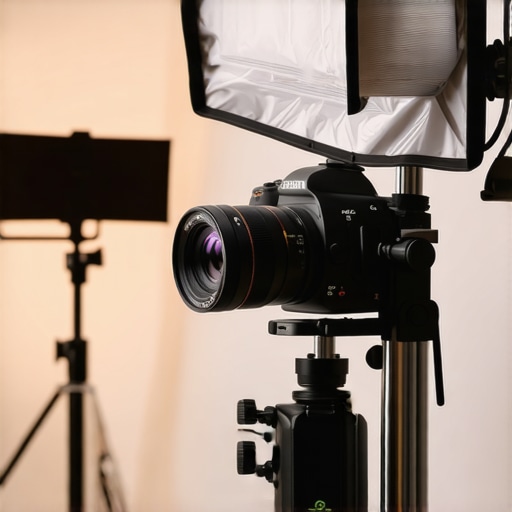
I remember the first time I set up a softbox in my studio, only to realize I had no idea how to control the light effectively. The result? Flat, dull images that made me want to toss my camera out the window. It was a frustrating moment, but it also sparked my journey into understanding how to use softboxes and RGB tube lights like a seasoned pro. If you’ve ever faced similar struggles—fighting with harsh shadows, uneven lighting, or simply feeling overwhelmed by all the options—you’re not alone. Trust me, I’ve been there, and I know what it’s like to feel lost in a sea of equipment. But here’s the good news: mastering these tools isn’t magic. It’s about knowing a few key tips that can transform your studio lighting from chaotic to cinematic.
Why Proper Lighting Setup Matters in Studio Photography
Lighting can make or break your photos. Even the most talented photographer can struggle without the right illumination. Softboxes and RGB tube lights are game-changers because they give you control and versatility—whether you’re shooting portraits, product shots, or creative concepts. But without the proper technique, they can easily turn into sources of frustration. I learned this the hard way early on when I used my softbox at full blast without diffusing the light properly. The result? Overexposed highlights and harsh shadows that no amount of editing could fix. That mistake taught me an invaluable lesson: understanding how to position, diffuse, and modulate your lights is crucial. And that’s exactly what I’ll share with you today—simple, practical tips to help you get professional results without the guesswork.
Is RGB Lighting Overhyped or Truly Worth It?
For a long time, I wondered if investing in RGB tube lights was just a flashy trend. I was skeptical because I thought, “Is all this color-changing stuff really necessary?” Turns out, RGB lights are incredibly versatile, especially for creative shoots and dynamic environments. Early in my journey, I made the mistake of ignoring their full potential, sticking with plain white lights and missing out on the vibrant effects they can produce. According to industry experts, RGB lighting can significantly enhance your creative options, providing mood and depth with just a flick of a switch. If you’re curious whether RGB tube lights are worth the hype, I’ll tell you right now—absolutely, but only when used correctly. Let’s dive into how you can do just that.
So, if you’ve ever felt overwhelmed trying to tame your studio lights, or wondered if those fancy RGB tubes are just a gimmick, keep reading. I’ll walk you through straightforward tips and tricks that will elevate your lighting game in 2024. From positioning to diffusion, to color control—these are the secrets that will turn your studio into a professional-grade setup. Ready to take the mystery out of lighting? Let’s go!
Positioning Your Lights for Flattering Results
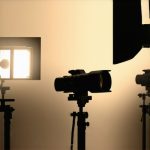
Start by placing your softbox around 45 degrees to your subject’s face, slightly above eye level. When I set up my softbox for a portrait shoot, I initially placed it directly in front, which flattened features. Moving it to an angle created natural shadows that added depth. Think of your softbox as a window; the angle it hits your subject determines how the light sculpts their face. Experiment by slightly adjusting the height and angle until shadows fall softly and naturally, avoiding harsh lines that can be unflattering.
Fine-Tuning with Distance and Intensity
Distance controls softness and strength. I once placed my softbox too close, causing overly bright highlights and soft shadows. Pulling it back a few feet softened the light and balanced exposure. Use your camera’s histogram to check for clipped highlights or lost shadows—aim for a balanced spread. If you’re using RGB tube lights, dimming or increasing brightness ensures your color effects aren’t overpowering. Remember, less is often more; subtle adjustments lead to professional-looking results.
Diffusing and Shaping Light Effectively
Diffusion is what turns harsh light into a gentle glow. I recommend always diffusing your softbox with a high-quality diffusion panel. I once tried to save a few bucks and used a thin fabric, which resulted in uneven light and hotspots. Upgrading to a proper diffusion material smoothed out the light evenly across my subject’s face. For RGB tube lights, consider attaching diffusion sleeves or bouncing the light off white surfaces. This softens the edges of the light and prevents color spill from becoming too intense, especially when experimenting with vibrant hues.
Using Flags and Barn Doors for Precision
Flags or barn doors help shape your light. I once used a piece of cardboard to block spill, which worked temporarily but was clunky. Investing in metal barn doors allowed me to control the spill precisely, highlighting the subject’s features while keeping backgrounds dark. For RGB tubes, flags can prevent unwanted color reflections on nearby surfaces. Think of flags as the curtains of your lighting stage—they control what’s illuminated and what stays in shadow.
Color Control and Dynamic Effects
RGB tube lights shine brightest when you harness their color-changing capabilities. I once spent an evening adjusting hues randomly, but I learned to pick colors that complement the scene. Use your app or control panel to set specific hues, then fine-tune brightness to achieve mood without overpowering the shot. For natural-looking skin tones, stay within the warmer or neutral spectrum, and use color gels sparingly to avoid unnatural tints. The key is to think of colors as tools to tell a story, not just eye candy.
Creating Depth with Multiple Colors
Adding a subtle colored rim light behind your subject adds depth. I once used a blue RGB tube behind a model, which contrasted beautifully with warm front lighting. Position your RGB tube to the side or slightly behind, angling it toward the subject’s back edge. This creates a rim or hair light that separates the subject from the background. When using multiple colors, ensure they don’t clash—test by dimming one light and observing how colors blend. Remember, the goal is harmony, not chaos.
Practicing and Adjusting for Flawless Shots
Never underestimate the power of trial and error. I spent an afternoon moving lights, adjusting angles, and tweaking colors until I found that perfect balance. Use a mirror or your camera’s live view to see real-time effects. Keep notes of what works and what doesn’t. With experience, you’ll develop an intuitive sense of how to position and modify your lights quickly. This practice ensures you don’t waste time during actual shoots and can focus on your subject’s expression and pose.
Many photographers and content creators fall into traps when mastering studio lighting, especially with tools like softboxes and RGB tube lights. Let’s dig deeper into what most people get wrong, so you can avoid these pitfalls and elevate your craft.
Why Bigger Isn’t Always Better in Lighting Setup
A widespread misconception is that larger softboxes or more powerful RGB tubes automatically produce better results. While size and wattage matter, the real secret lies in how you position and control the light. Overly large lights can cause unwanted spill and flat images if not managed carefully. The key is to leverage smaller, strategically placed lights with proper diffusion and flags for precision, rather than simply opting for the biggest or brightest equipment. Check out this guide to softbox and RGB lighting techniques that focus on control rather than size.
Beware the Color Spill Trap
One common mistake with RGB tube lights is neglecting the importance of shaping and flagging. Many beginners assume that simply changing colors or increasing brightness will improve the shot. But without proper flags or diffusers, you risk spilling unwanted hues onto backgrounds or reflective surfaces, ruining the mood or causing unnatural skin tones. Using flags or barn doors isn’t just for aesthetics; it’s essential for maintaining color integrity and avoiding distracting reflections. For advanced setups, consider these techniques to keep your colors controlled and sharp.
Mixing Lighting Types Can Lead to Color Inconsistencies
A hidden nuance many overlook is the challenge of balancing different light sources. Combining RGB tube lights with daylight or tungsten fixtures can create color mismatches that are difficult to fix in post-processing. The key is to match color temperatures beforehand or use RGB lights with adjustable Kelvin settings. For instance, RGB tubes that can tune from 3000K to 6000K allow seamless blending and help you maintain a natural look. Remember, consistency is king—so plan your lighting setup meticulously to avoid costly re-shoots or over-editing.
How Can You Achieve Depth Without Overcomplicating?
Many believe that adding more lights creates more depth, but this can backfire if not executed properly. Instead, focus on strategic placement of key, fill, and back lights, using contrast and shadows to add dimension. Subtle use of colored rim lights can also enhance separation from the background, making your subject pop. A balanced, layered setup results in professional depth that looks effortless and cinematic. For detailed techniques, consider this resource.
Have you ever fallen into this trap? Let me know in the comments. The more you understand these hidden nuances, the more your lighting will stand out as truly professional.
Keeping your studio lighting setup in top shape is vital for consistent, professional results over time. From equipment care to software updates, maintaining your tools ensures longevity and optimal performance. I personally rely on a few key practices and tools that have proven invaluable in my journey, and I highly recommend them to anyone serious about studio lighting.
Invest in Quality Power Solutions
First and foremost, stable power sources are the backbone of reliable lighting. I use a high-quality surge protector with built-in EMI filtering to safeguard my RGB tube lights and softboxes. Power fluctuations can cause flickering, color shifts, or even damage your gear. Regularly inspecting and replacing worn-out power strips prevents unexpected failures during critical shoots. As technology advances, future power solutions might incorporate smarter monitoring systems that alert you to voltage irregularities in real-time.
Routine Equipment Calibration and Cleaning
Maintaining the color accuracy of RGB lights involves periodic calibration. I use a colorimeter like the X-Rite i1Display Pro to verify that my lights output consistent hues. This ensures your creative effects stay true over months of use. Additionally, cleaning your equipment—diffusers, lenses, and vents—removes dust and debris that can degrade light quality. A gentle microfiber cloth and compressed air are my go-to tools for quick maintenance, helping your lights stay bright and color-accurate.
Software and Firmware Updates Matter
Many RGB tube lights and LED panels come with companion apps that receive firmware updates. I make it a habit to check these regularly via the manufacturer’s website or app store. Updates often fix bugs, improve stability, and add new features that can streamline your workflow. For example, newer firmware might offer smoother color transitions or more precise dimming controls, which are crucial for cinematic projects.
Develop a Troubleshooting Routine
If you notice flickering, color inconsistency, or connectivity issues, having a systematic troubleshooting routine saves time. I keep a dedicated toolkit with spare cables, connectors, and a portable multimeter. When problems arise, I check power supplies, reset devices, and verify firmware versions. This proactive approach minimizes downtime and keeps your setup running smoothly for long periods.
Scalability and Future-Proofing
As your studio grows, so will your equipment needs. Investing in modular lighting systems, like those compatible with standard DMX protocols, allows you to expand without replacing everything. I recommend choosing tools that support future upgrades, such as RGB tube lights with adjustable Kelvin settings or compatibility with upcoming control software. This flexibility ensures your setup stays relevant, reducing the need for costly overhauls.
Looking ahead, I believe the trend will lean towards more intelligent, self-maintaining lighting systems that monitor their own health and notify you of issues proactively. Technologies like IoT integration and AI-driven diagnostics could become standard, simplifying maintenance and ensuring your creative process remains uninterrupted.
How do I maintain my lighting tools over time?
Establish a regular maintenance schedule that includes cleaning, calibration, firmware updates, and equipment checks. Use reliable tools like power conditioners and colorimeters, and keep spare parts handy. This routine not only prolongs the lifespan of your gear but also guarantees consistent, high-quality results every time you shoot. Remember, investing in your tools’ longevity is just as important as mastering your creative techniques. Try setting a monthly maintenance check, and you’ll notice your studio lighting remains flawless for years to come.
When I first started experimenting with studio lighting, I often faced the frustration of flat images and harsh shadows, especially when using softboxes and RGB tube lights. Over time, I learned that the key to professional-looking photos isn’t just the equipment but how you use it. The real magic happens when you understand positioning, diffusion, and color control—turning basic tools into cinematic assets.
The Hidden Lessons Behind Great Lighting
- Less Is More: I once believed bigger softboxes meant better light. However, I discovered that strategic placement and proper diffusion are more important than size. Smaller, well-placed lights often yield more natural results.
- Color Isn’t Just Decoration: Playing with RGB tubes taught me that color can evoke emotion and depth. But without flags or diffusion, spill and unwanted hues ruin the shot. Your control over the light’s shape and color is what separates pros from amateurs.
- Practice Makes Perfect: Setting up lights repeatedly, taking notes, and adjusting angles helped me develop an intuitive sense for what works. Don’t be afraid to experiment—each shoot teaches you something new.
- Maintenance Matters: Regular calibration, cleaning, and firmware updates of your RGB lights ensure consistent color and performance, saving you time and stress during shoots.
Tools That Elevated My Lighting Game
- Key Light Techniques: A cornerstone for understanding how to position and diffuse your main light effectively.
- LED Panel Guides: Essential for learning how to balance multiple light sources seamlessly.
- RGB Tube Effects: Creative ideas for using color to add depth and mood to your scenes.
- Complete Lighting Masterclass: My go-to resource for comprehensive techniques and troubleshooting.
Your Next Step in Lighting Mastery
Lighting isn’t just about equipment; it’s about crafting mood, depth, and professionalism in every shot. As you experiment with softboxes and RGB tube lights, remember that small adjustments can lead to dramatic improvements. Keep practicing, stay curious, and don’t hesitate to refine your setup. The future of studio lighting is bright, and your creative journey has only just begun.
What’s the biggest challenge you’ve faced with studio lighting? Share your story below—I’d love to hear how you’re conquering it!
![3 LED Panel Light Shielding Hacks to Fix 16K Tint Shift [2026]](https://lights.creatorrigreviews.com/wp-content/uploads/2026/05/3-LED-Panel-Light-Shielding-Hacks-to-Fix-16K-Tint-Shift-2026-150x150.jpeg)

3 responses to “Top Tips for Using Softbox and RGB Tube Lights in Studio Photography 2024”
Reading through this post resonates with my own experience in mastering studio lighting. I vividly remember the initial frustration of uneven, flat images, especially when I overused my softbox at full power without enough diffusion. It’s incredible how small adjustments, like changing the angle or distance, can drastically improve the outcome. I’m a huge advocate for experimenting with RGB tube lights as well—once I learned to use flags and diffusion properly, the creative possibilities expanded exponentially. The challenge I often faced was balancing multiple light sources without causing color spill or inconsistency, especially when trying to create depth with color accents. I’ve found that setting a clear plan for color temperature matching and using quality flagging tools can help avoid these pitfalls. How do other photographers here approach balancing multiple colorful lights without losing control? I’d love to hear your strategies for maintaining harmony and vibrancy in complex setups.
This post really hits home for me, especially the part about controlling multiple light sources to avoid color spill and maintain harmony. I’ve found that using grid attachments or even DIY flags made from black foam core can be surprisingly effective for shaping RGB lights, especially when working on a budget. Also, I always calibrate my lights regularly to ensure color consistency across different sessions, which saves a lot of frustration during editing. One challenge I often face is adjusting multiple lights while keeping a natural-looking skin tone, especially when combining warm tungsten with RGB accents. Do you have any tips for balancing different color temperatures seamlessly in a shot? I’d love to hear how others manage this aspect effectively.
This post really resonated with me, especially the part about the trick of using softbox angles to create natural shadows. I remember the frustrations early in my career when I’d set up lighting without paying much attention to positioning, often resulting in flat images. Experimenting with angles and distances truly changed my game, and now I always spend time adjusting my softbox to find that perfect sculpted look. Regarding RGB tube lights, I’ve found that controlling spill is crucial—using flags or barn doors can help prevent unwanted reflections or color leakage, especially in tight setups. It’s fascinating how incremental tweaks in positioning can dramatically enhance the depth and mood of a shot. I’d be curious to know how others here balance multiple RGB lights to maintain color harmony without overwhelming the scene. Do you prefer using dedicated apps for fine control or manual adjustments? I look forward to hearing different workflows and tips from this community. It’s these small details that elevate our work from good to truly professional.