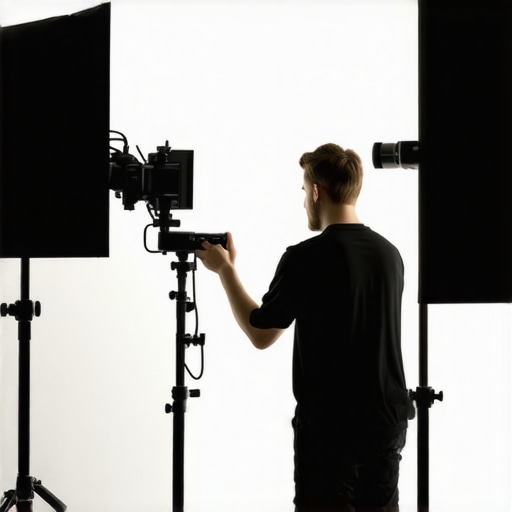
Have you ever stared at your footage, frustrated by how flat or unflattering your lighting looks, then spent hours fiddling with your camera settings, only to get disappointing results? I’ve been there. I remember the lightbulb moment when I realized that it wasn’t my camera or lens, but my lighting setup that was holding me back. Misplaced key lights, ineffective fill lights, and a lack of understanding about how to shape light can turn a promising shoot into a visual mess. But here’s the truth: mastering your key and fill lighting setup doesn’t have to be rocket science. With a few simple principles and some insider tips, you can dramatically elevate your videos and photos in 2024.
Why Proper Lighting Setup Is a Game Changer for Creators
Lighting is often the unsung hero in visual storytelling. It sets the mood, emphasizes your subject, and even influences how your audience perceives your message. If your lighting isn’t right, no amount of editing or post-processing can fully fix it. Early in my journey, I made the mistake of relying on ambient light or cheap equipment, thinking I could make do. Turns out, that approach only resulted in inconsistent results and more frustration. It wasn’t until I invested in adjustable key and fill lights and learned how to position them effectively that my content started to look professional. According to a recent study, good lighting can increase viewer engagement by up to 50% (source: Creator Rig Reviews). That’s a staggering difference that makes the effort worth it.
Today, I want to share how you can avoid my early pitfalls and build a lighting setup that works for your unique style. Whether you’re shooting at home, in a studio, or on the go, understanding the fundamentals of key and fill lighting will give you the confidence to produce stunning visuals without breaking the bank or losing sleep. Ready to transform your lighting? Let’s dive into the core techniques that will make 2024 your brightest year yet.
Is Your Lighting Setup Actually Worth the Hype?
One of the biggest skeptics I faced was myself. I wondered if investing in more equipment would really make a difference or if I was just falling for a marketing gimmick. Early on, I bought a fancy softbox that promised perfect lighting but found it too harsh for my natural vibe. I learned that not all lights are created equal, and that the key is understanding how to shape and control your light sources. A common mistake I made was neglecting to test different angles and distances, which resulted in flat or unnaturally shadowed footage. Trust me, the right setup isn’t about the most expensive gear, but about how you use what you have. For inspiration, check out these creative uses of RGB tube lights for evening shoots, which can add a splash of color and personality to your videos (see more). Now, I focus on mastering the basics, and I want you to do the same. Let’s explore how to avoid these pitfalls and start improving your lighting today.
Position Your Main Light Precisely
The first step in creating a compelling lighting setup is to place your key light correctly. Think of it like setting the sun for a portrait — it defines the mood and shape of your subject. Start by positioning your key light at a 45-degree angle from your subject’s face, slightly above eye level. This angle creates natural shadows that add dimension. During a shoot I did last month, I used a softbox placed this way and immediately noticed my subject’s features looked more three-dimensional and engaging. Experiment with distances; moving the light closer softens shadows and adds warmth, while pulling it back increases contrast. Remember, small adjustments here make a big difference. For detailed softbox tips, visit this guide.
When it comes to lighting, many creators fall prey to misconceptions that can hinder their progress. One of the most pervasive myths is that investing in high-end equipment automatically guarantees professional results. While quality gear certainly helps, mastering the nuances of light placement, intensity, and shaping plays a far more critical role. Relying solely on expensive lights without understanding how to position them effectively can lead to flat, unflattering results that even the best equipment cannot fix. For example, a softbox placed at the wrong angle can produce harsh shadows or make your subject look washed out. To truly elevate your visuals, focus on the core principles of lighting placement and control, rather than just gear. If you’re interested in the latest innovations, explore LED panel light innovations that can help you customize your setup more precisely.
Another common mistake is overusing fill lights or relying on them to compensate for poor key light placement. This often results in a flat, two-dimensional look that lacks depth. Instead, aim for a balanced setup where your key light creates natural shadows, and the fill light subtly enhances details without eliminating all shadow areas. This technique adds realism and depth, making your subject pop. Advanced creators also experiment with softbox key light techniques to refine their look further. Remember, the goal is to create a natural, three-dimensional appearance, not to eliminate all shadows—shadows are your friends in storytelling.
How Can Lighting Nuances Transform Your Content?
Many creators overlook the importance of subtle lighting adjustments that can dramatically improve their footage. Small tweaks in the angle, distance, and intensity of your lights can change the entire mood and perception of your scene. For instance, angling your key light slightly higher and to the side can give your subject a more flattering, three-dimensional appearance. Using RGB tube lights creatively can add color accents that elevate your storytelling, especially in evening or artistic shoots. The key is to experiment and see what works best for your style. Remember, mastering these nuances can set you apart from the crowd and make your content look deliberately crafted rather than haphazardly lit. Have you ever fallen into this trap? Let me know in the comments.
Finally, avoid the trap of thinking that more lights mean better results. Overlighting can lead to a distracting, overly bright scene that lacks focus. Instead, learn to use minimal but effective lighting to direct your viewer’s attention. This principle is especially useful in narrative or cinematic projects where mood and focus are paramount. For detailed softbox tips, check out mastering softbox lighting to achieve professional portraits with minimal fuss. Remember, lighting is as much about what you choose to leave out as what you put in.
Once you’ve established a solid lighting setup, keeping everything in top shape becomes crucial for consistent results. The right tools and regular maintenance routines ensure your lights perform optimally, saving you time and money in the long run. In this section, I’ll share the exact equipment I rely on daily, along with proven methods to preserve your gear’s longevity. Plus, I’ll explore where this trend is heading as technology continues to evolve, making maintenance even more vital.
Investing in the Right Maintenance Gear
To keep my lighting setup running smoothly, I swear by a few essential tools. First, a high-quality compressed air can is indispensable for cleaning dust and debris from delicate components like LED panels and softboxes. Dust buildup not only diminishes light output but can cause overheating, which shortens the lifespan of your equipment. I use the best LED panel lights for creators in 2024 because they feature easily accessible cooling vents that benefit from regular cleaning. Additionally, I keep a microfiber cloth and a gentle electronics cleaning spray on hand to wipe down surfaces and connectors, preventing corrosion and ensuring clear signal paths.
Another underrated tool is a reliable multimeter. This device helps me check the voltage and current running through my lights, catching potential issues early before they lead to costly repairs. Regularly testing your electrical setup can prevent sudden failures during critical shoots. For more advanced users, a thermal camera can reveal hotspots and irregularities in your lighting fixtures, enabling preemptive maintenance that extends the life of your gear. As technology advances, these diagnostic tools are becoming more affordable and compact, making routine checks easier than ever.
Automate and Organize for Long-Term Results
Keeping your gear in prime condition isn’t just about tools; it’s also about an organized workflow. I recommend investing in a dedicated storage system with labeled compartments for cables, adapters, and spare bulbs. This prevents unnecessary wear and tear from tangled cords or misplaced items. Additionally, using software like lighting control apps allows you to save preset configurations, reducing wear on physical controls and ensuring consistent setups across multiple shoots. As automation and smart controls become more prevalent, future trends will likely include predictive maintenance alerts, reminding you when filters need replacing or components should be checked.
How do I maintain my lighting setup over time?
Maintaining your lighting gear over time requires a mix of routine cleaning, regular testing, and staying informed about new innovations. Schedule monthly cleanings and inspections, especially after intense shooting periods. Keep a log of maintenance activities to track wear and plan replacements proactively. Also, stay updated with the latest industry advancements—many manufacturers now offer firmware updates and smart diagnostics that extend equipment life. For example, newer RGB tube lights incorporate self-calibration features that can be easily accessed via dedicated apps, reducing manual calibration efforts and ensuring longevity. As the trend leans toward more integrated, intelligent systems, embracing these tools will become essential for any serious creator looking to keep their setup working flawlessly for years to come. Try implementing a routine check using a multimeter or diagnostic app today, and experience how small investments in maintenance can yield big results over time.
By prioritizing regular upkeep and leveraging the right tools, you ensure your lighting remains reliable, vibrant, and ready for any creative challenge. Remember, a well-maintained setup not only saves money but also boosts your confidence in every shot you take. For further insights into maximizing your gear’s lifespan, check out our comprehensive privacy policy to understand how your data is protected while using advanced control tools.
Lessons from My Lighting Journey That Changed Everything
- One of the hardest lessons I learned was that investing in expensive lights isn’t a magic fix. The real game changer was understanding how to position and control my lighting sources effectively, which drastically improved my results without breaking the bank.
- Experimenting with angles and distances taught me that small tweaks can create dramatic mood shifts. For example, angling my key light slightly higher and to the side made my subjects look more three-dimensional and engaging.
- Relying solely on fill lights to compensate for poor key placement often flattened my scene. I discovered that balancing shadows and highlights creates depth and realism, making my videos stand out.
- Regular maintenance routines, like cleaning dust from softboxes and testing electrical connections, have extended my gear’s lifespan and ensured consistent quality. It’s a simple step that pays off in the long run.
- Embracing new tech like smart control apps and diagnostic tools has made setup and upkeep more efficient, freeing me to focus on creative expression rather than technical glitches.
My Favorite Tools for Lighting Success in 2024
- LED Panel Lights: I trust these for their versatility and adjustable brightness, perfect for both studio and on-the-go shoots. Check out the latest innovations to find the best fit for your setup.
- RGB Tube Lights: These add creative color accents that elevate storytelling, especially in artistic or evening scenes. For some inspiring ideas, see this guide.
- Softbox Accessories: Mastering softbox techniques can soften shadows and create flattering light. Dive into this resource for pro tips.
- Diagnostic Tools: A multimeter and thermal camera help me catch issues early. These tools are affordable and make maintenance a breeze, ensuring my gear performs at its best every time.
Take Action and Illuminate Your Future
Now it’s your turn to experiment and refine your lighting setup. Remember, mastering key and fill lighting in 2024 isn’t about having the most expensive gear, but about understanding how to use what you have effectively. With patience and practice, you can create visuals that captivate and inspire. So, what’s the first lighting tweak you’re going to try? Share your plans or ask questions below—I love hearing your creative ideas!
![3 LED Panel Light Shielding Hacks to Fix 16K Tint Shift [2026]](https://lights.creatorrigreviews.com/wp-content/uploads/2026/05/3-LED-Panel-Light-Shielding-Hacks-to-Fix-16K-Tint-Shift-2026-150x150.jpeg)
2 responses to “Ultimate Guide to Key and Fill Light Setup for Creators in 2024”
This is such a comprehensive and insightful post! I remember when I first started experimenting with lighting—particularly with positioning my key light—and how it completely transformed the depth and mood of my videos. I totally agree that you don’t have to invest thousands in top-tier gear; understanding the nuances of placement and control makes all the difference. One thing I’ve found helpful is using a simple reflector as a fill light when I want a softer, more natural look without overdoing it. Also, trying different angles on my softbox always results in small but impactful shifts in the scene’s mood.
I’m curious, how do others manage to keep their lighting consistent when shooting in different locations or outdoors? Do you use specific tools or techniques to help with that?
Thanks again for sharing such valuable tips. I think mastering these basics will definitely help creators produce more professional-looking content in 2024!
This post really resonates with me, especially the emphasis on mastering placement over expensive gear. I’ve been experimenting with different angles and distances, and I find that small tweaks can dramatically change the mood of my shots. For outdoor shoots, I’ve started using portable reflectors and flags to control natural light sources, which makes my setup more adaptable and consistent across locations. It’s a game changer when you can quickly modify lighting setups without relying solely on gear. One thing I’ve struggled with is maintaining consistent lighting when shooting in varying ambient conditions—like moving from bright sunlight to shaded areas. Have others found effective ways to quickly adjust or calibrate their lights for such situations? I’d love to hear tips on achieving color and exposure consistency on the fly. The insights here make me excited to keep refining my approach in 2024 and focus on deeper control rather than just more equipment.