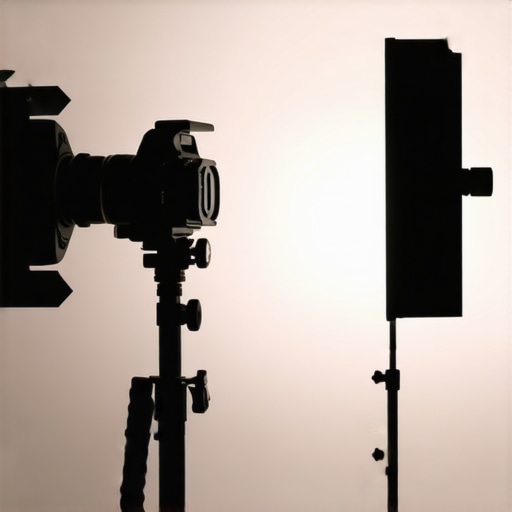
There was a moment early in my video journey when I finally realized that my footage looked flat, dull, and uninviting—despite having decent camera gear. It hit me like a punch to the gut. I had been missing one crucial piece of the puzzle: effective lighting. That epiphany led me down a rabbit hole of trial and error, and trust me, I learned the hard way that even the most expensive camera can’t save poorly lit shots. But here’s the good news: once I cracked the code on softbox and fill light strategies, my videos transformed overnight. Today, I want to share those secrets with you so you can avoid my early mistakes and achieve professional-looking results in 2024.
Why Lighting Is the Heartbeat of Great Video
Let’s be honest—no matter how fancy your camera or editing skills are, if the lighting isn’t right, your footage won’t pop. Good lighting sets the mood, guides the viewer’s eye, and adds depth to your scenes. In 2024, the game has changed with innovative softbox and fill light options that are more affordable and versatile than ever. Properly using these tools can turn a drab setup into a cinematic masterpiece. But with so many options flooding the market, it’s easy to get overwhelmed or fall into common traps. That’s why mastering effective softbox & fill light techniques is more crucial than ever. And no, it doesn’t require a Hollywood budget — just some practical know-how and a bit of patience.
Is It Really Worth All the Hype?
Early on, I made the mistake of thinking that fancy RGB tubes or the latest LED panels could replace good old-fashioned softboxes. Spoiler: they can’t. I wasted hours tweaking those fancy lights, only to find that softboxes offer a softer, more natural look that simply can’t be beaten for most creative projects. Studies show that well-lit videos are more engaging and retain viewers longer (source: CreatorRigReviews). So, yes—investing in the right softbox and fill light setup is definitely worth it. But only if you know how to use them properly. Let me walk you through some of the most common mistakes I made early on and how you can avoid them.
Are you tired of spending hours trying to fix poorly lit videos in post? Or maybe you’ve been skeptical that better lighting could really make that much difference? If so, you’re not alone. Many creators overlook the power of effective lighting, thinking it’s just a minor detail. But trust me, it’s the secret sauce that elevates your entire video quality. I’ll show you quick wins that will dramatically improve your shots, whether you’re recording at dawn, in a studio, or during golden hour. Ready to light up your 2024 content? Let’s dive into the practical steps that will make your videos look professional and polished, every single time.
},
Set Up Your Softbox for Flawless Lighting
Start by positioning your softbox at a 45-degree angle to your subject, about 3 to 5 feet away. This creates a natural, flattering light that mimics window sunlight. Remember, the goal is soft, even illumination without harsh shadows. I remember the first time I did this; I placed my softbox too close, causing overexposure on my subject’s face. After adjusting the distance and angle, the difference was night and day. For best results, use a light stand with adjustable height and ensure the softbox is level with your subject’s eye line. If you’re shooting at dawn or in natural light, check out these softbox tips for dawn to fine-tune your setup.
Diffuse and Control Your Fill Light
The fill light balances shadows created by your key softbox, adding depth without flattening your image. Use a smaller softbox or an umbrella to diffuse the light further, or bounce it off a reflector or wall for a softer effect. My favorite trick is to use a white foam board as a makeshift reflector; it’s cheap and effective. When I first experimented with fill lighting, I underestimated its importance—overly bright fill flattened my subject, making the shot look unnatural. Now, I keep the fill light about half as bright as my key, aiming for a natural look. For creative effects, try these fill light techniques with RGB tube lights. They can add a pop of color or mood-specific glow when used correctly.
Experiment with Different Angles and Distances
While the classic 45-degree angle works for most situations, don’t hesitate to experiment with other positions. Moving your softbox closer or farther changes the softness and intensity of the light. For example, I once placed my softbox directly in front of my subject, creating a flat, uninteresting look. By moving it slightly to the side and raising it higher, I gained more dimension, highlighting cheekbones and jawlines. Use a light meter or your camera’s histogram to monitor exposure levels. Remember, lighting is about shaping the scene; subtle shifts can make a huge difference. To see how versatile softbox setups can be, check this comprehensive guide.
Incorporate Creative RGB Tube Effects
Once your basic softbox and fill lighting are dialed in, add a creative twist with RGB tube lights. These versatile lights can be used to add mood, color, or even simulate different environments. For instance, during evening shoots, I used RGB tubes to mimic sunset hues behind my subject, creating a warm, cinematic backdrop. Adjust the hue and saturation to match your scene’s mood, but avoid overdoing it—subtlety is key. When I first tried this, I over-saturated the scene, making it look fake. Now, I blend natural and colored lighting for a more authentic feel. If you’re interested in exploring these effects, review effective RGB tube light strategies.
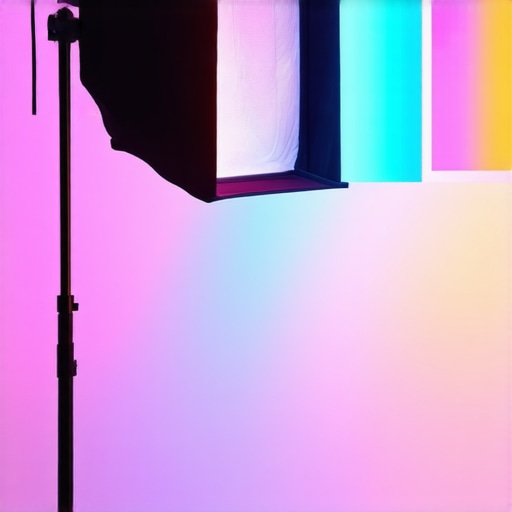
By mastering these concrete steps—proper placement, diffusion, experimentation, and creative layering—you’ll elevate your videos from amateur to professional quality. Keep testing different configurations until you find what best complements your style and scene. Remember, lighting is an art as much as a science, so stay curious and don’t be afraid to push boundaries.
Many creators believe that simply owning a high-end softbox or RGB tube light guarantees professional results. However, this is a common misconception. The real secret lies in understanding the subtle nuances of light placement, diffusion, and color temperature—details that often get overlooked even by seasoned videographers. For instance, a softbox placed at the wrong angle or distance can create flat, unflattering light instead of the desired cinematic glow. It’s tempting to think that brighter equals better, but without proper control and diffusion, oversaturation can wash out your subject and ruin the shot. In fact, studies show that the quality of light—its softness, direction, and color—has a more significant impact on perceived professionalism than the mere intensity (source: CreatorRigReviews).
What most people get wrong about softbox and fill light setup
One of the biggest pitfalls is misjudging the importance of diffusion and angle. Many creators assume that a softbox’s size alone determines softness, but in reality, the distance from the subject, the angle of illumination, and whether the light is diffused properly are critical. For example, a large softbox placed too close can cause harsh shadows, while a smaller one positioned correctly at a distance can produce an incredibly natural look. Additionally, the misconception that RGB tube lights can replace softboxes entirely often leads to over-saturation and unnatural color casts. These lights are best used as accents or mood lighting rather than primary sources. Proper layering and balancing are key, which is why advanced techniques like using bounce surfaces or mixing multiple light types can elevate your work.
Another trap to avoid is neglecting the color temperature consistency between your key and fill lights. Mismatched colors can result in unnatural skin tones and a distracting look. Instead, invest time in matching your lights’ Kelvin ratings and experimenting with color gels or adjustable RGB settings for seamless integration. For advanced users, tools like light meters or histograms can help fine-tune exposure and color balance, ensuring a polished final product.
Have you ever fallen into this trap? Let me know in the comments.
Keeping your lighting setup in top shape over time is crucial for maintaining professional-quality videos. The right tools and routine maintenance not only extend the lifespan of your equipment but also ensure consistent results that keep your content looking sharp and polished. In this article, I’ll share the specific tools I use daily, maintenance habits I swear by, and how you can future-proof your lighting gear for continued success.
How do I maintain my lighting gear for long-term use?
Regular cleaning is the foundation of good maintenance. Dust and dirt can accumulate on softboxes and LED panels, reducing their efficiency and lifespan. I recommend using a microfiber cloth for wiping the surfaces gently, avoiding harsh chemicals that could damage the diffusers or LED coatings. For softboxes, periodically check the fabric for tears or sagging, and replace them if needed. For LED panels, keep the vents free of dust to prevent overheating. A compressed air canister is great for cleaning internal components without disassembly.
Another key habit is verifying the electrical connections. Loose plugs or damaged cords can cause flickering or inconsistent brightness. I always inspect my power cables and connectors once a month and replace any worn-out parts. Having a set of spare cables and adapters is essential, especially when working on tight schedules. This proactive approach prevents unexpected failures during shoots.
Tools I rely on for ongoing maintenance and setup
One of my favorite tools is a digital light meter, such as the Sekonic C-700, which helps me measure light intensity and ensure my softbox and fill lights are calibrated correctly. Consistent lighting levels are critical for maintaining visual continuity across different shoots and scenes. Using a light meter allows me to make precise adjustments and avoid overexposure or underexposure issues.
For cleaning, I use a microfiber cloth paired with a gentle, non-abrasive cleaner designed for electronics. This keeps my LED panels free of smudges and dust, preserving color accuracy and brightness. Additionally, I keep a set of Allen wrenches and screwdrivers on hand for minor adjustments or repairs, such as tightening mounting brackets or replacing diffusers.
Future trends in lighting tools and maintenance
Looking ahead, I predict that smart maintenance tools, like IoT-connected LED panels, will become more mainstream. These devices can monitor their own health, alert you when a component is failing, and even suggest optimal calibration settings remotely. Investing in modular, easily serviceable equipment now will save you time and money as these innovations become more affordable and accessible.
If you want to streamline your setup, I highly recommend exploring comprehensive guides on softbox and RGB tube maintenance. Regular upkeep, combined with the right tools, guarantees your lighting will perform flawlessly for years to come. So, try implementing a monthly cleaning routine with a microfiber cloth and keep a light meter in your kit—it’s a small investment that pays off big in the long run.
Maintaining your gear isn’t just about fixing problems; it’s about proactively ensuring consistent quality. Make these habits a part of your workflow, and your videos will shine with professional polish every time.
Lessons that Changed My Approach to Lighting
- The Hardest Lesson I Learned About Softbox Placement: I once placed my softbox too close, causing harsh overexposure. It taught me that distance and angle matter more than size alone.
- Why Diffusion Is a Game-Changer: Skipping diffusion made my shots look flat. Adding a proper diffuser transformed my lighting into a soft, natural glow—an eye-opening revelation.
- Color Matching Is Essential: Mismatched color temperatures between key and fill lights ruined my scene’s realism. Now, I always verify Kelvin ratings before shooting.
- Creative RGB Layers Elevate the Mood: Overusing RGB tubes can look fake. When blended subtly, they add cinematic depth, especially during evening shoots.
- Consistent Maintenance Preserves Quality: Regular cleaning and checking connections have extended my gear’s lifespan and kept my lighting consistent.
My Go-To Tools for Effective Lighting
- Sekonic C-700 Light Meter: Precise measurements help me achieve balanced exposure and maintain consistency across shoots.
- Microfiber Cloth and Gentle Cleaners: Essential for keeping diffusers and panels dust-free, ensuring optimal performance.
- Modular Softboxes and Adjustable Stands: Flexibility in positioning allows me to experiment and find the perfect light placement.
- Smart Lighting with IoT Capabilities: Future-proof my setup with intelligent lights that monitor their own health and suggest adjustments.
Embrace the Art of Lighting and Elevate Your Content
Lighting isn’t just a technical skill—it’s an artistic tool that, when mastered, transforms your videos into cinematic experiences. Start experimenting today, stay curious, and remember that every subtle shift can make a massive difference. Your journey to professional-quality videos begins now—don’t hesitate to light up your 2024 content with confidence.
What’s the biggest lighting challenge you’ve faced? Share your story below and let’s learn together!
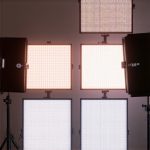
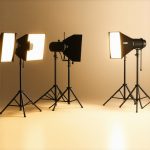
![3 LED Panel Light Shielding Hacks to Fix 16K Tint Shift [2026]](https://lights.creatorrigreviews.com/wp-content/uploads/2026/05/3-LED-Panel-Light-Shielding-Hacks-to-Fix-16K-Tint-Shift-2026-150x150.jpeg)
6 responses to “Effective Softbox & Fill Light Strategies for Stunning Video in 2024”