My Journey into Perfect Lighting: From Amateur to Enthusiast
When I first started creating videos and photos, I often struggled with lighting. I remember spending hours trying to get the perfect shot, only to realize that my lighting setup was lacking. That’s when I decided to dive deep into the world of professional lighting techniques, especially focusing on effective key and fill lights using LED panels and RGB tube lights. It’s been a game-changer for my content quality.
Understanding the Role of Key and Fill Lights in My Creative Workflow
In my experience, the key light is the primary source that shapes the subject, while the fill light softens shadows and adds dimension. Using high-quality LED panel lights as my key light allowed me to control intensity and color temperature precisely. For fill, I prefer softboxes or RGB tube lights that can be adjusted to match natural light conditions, especially during evening shoots. This combination creates a natural, balanced look that truly elevates my videos.
Why RGB Tube Lights Are My Secret Weapon in 2024
One of the most exciting innovations I’ve embraced this year is RGB tube lights. They’re incredibly versatile, allowing me to add creative effects or subtle color accents. I love experimenting with different hues to match the mood of my scene or to produce eye-catching visuals. RGB tube lights also work great as secondary or accent lights, giving depth and vibrancy to my setup.
Is It Possible to Achieve Natural Looking Lighting with RGB Tubes?
How can I make RGB tube lights blend seamlessly with natural light?
This is a question I often get from fellow creators. My advice is to use the adjustable color temperature settings on RGB tube lights and match them to natural ambient light. For example, during early evening shoots, I set my RGB tubes to warm tones similar to sunset lighting. I also pay attention to the placement—placing the lights at appropriate angles can help achieve a seamless blend, making the scene look naturally lit. For more tips on soft and natural lighting, check out softbox key light techniques.
If you’re like me, you’ll find that combining LED panel key lights with RGB tube fill lights opens up endless creative possibilities. I recommend experimenting with different setups to discover what works best for your style. Don’t forget to share your experiences or ask questions in the comments below—I love hearing how others are elevating their lighting game!
For more insights, I regularly follow authoritative sources like creator rig reviews to stay updated on the latest innovations in lighting technology.
Elevating Your Lighting Skills: The Nuances of RGB Tube Lights
As a seasoned creator, I can attest that RGB tube lights are more than just colorful accents—they’re transformative tools for achieving professional-grade lighting. Their adjustable hue, brightness, and temperature settings provide a dynamic range that can mimic natural light or create vibrant artistic effects. To truly harness their potential, understanding how to manipulate these parameters is essential. For instance, blending warm tones with cooler hues can replicate sunset or dawn lighting, adding depth and realism to your scenes. For those eager to refine their technique, exploring advanced settings like flicker-free modes or programmable effects can elevate your creative output. Dive deeper into lighting mastery with comprehensive LED panel guides for a holistic approach.
Strategic Placement and Color Matching for Natural Integration
One of the most challenging aspects of using RGB tube lights is achieving a seamless blend with existing natural light. The key lies in precise placement and meticulous color matching. I recommend positioning RGB tubes at angles that mimic natural light sources—like windows or ambient lamps—and adjusting their color temperature to match the ambient hue. During golden hour or sunset, setting your RGB tubes to warm, amber tones creates a harmonious scene that feels authentic. Additionally, using light meters or smartphone apps can help calibrate your lights accurately. For practical tips on soft and natural lighting, check out softbox lighting techniques tailored for various scenarios.
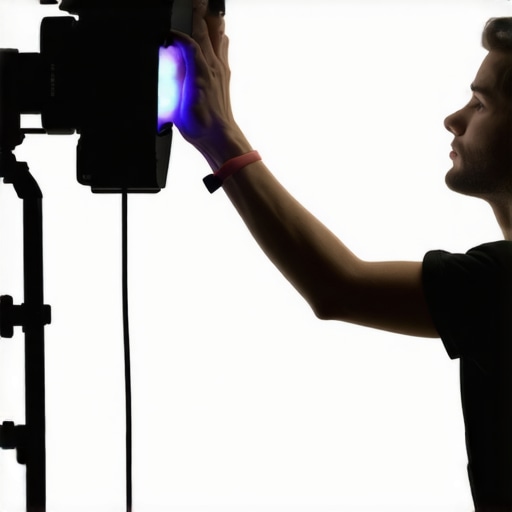
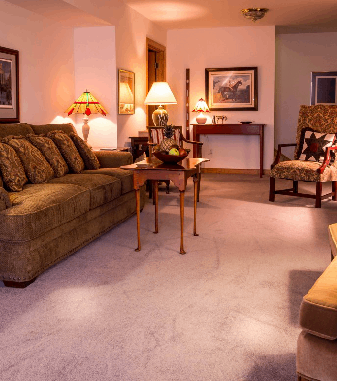
Image illustrating RGB tube light placement and color matching in a natural setting, emphasizing angles and temperature adjustments for seamless integration.
What Are the Practical Challenges and Solutions in Achieving Perfect Natural-Looking RGB Lighting?
One common hurdle is maintaining consistency in color temperature, especially when shooting in changing natural light conditions. Fluctuations in ambient light can cause your RGB tubes to appear mismatched, breaking the scene’s realism. To combat this, I use adjustable RGB tubes with preset modes that can be quickly toggled during shoots. Incorporating dimmers and remote controls allows for real-time adjustments, ensuring continuity. Furthermore, considering the environment’s reflective surfaces can influence light bounce and color perception. Experimenting with diffusers and reflectors can help soften the light and improve blending. For more insights into softbox strategies, visit softbox key light techniques.
If you’re interested in expanding your lighting toolkit, exploring the latest RGB tube lights and their innovative features is highly recommended. Share your setup stories or ask questions—collaborative learning is the best way to grow your skills!
Remember, staying updated with authoritative sources like creator rig reviews ensures you’re always ahead in adopting the most effective lighting solutions for your creative projects.
How Do I Tackle Color Temperature Fluctuations for Seamless Natural Lighting?
One of the most intricate challenges I’ve faced with RGB tube lights is maintaining consistent color temperature amidst changing ambient light conditions. During outdoor shoots or in rooms with variable natural light, I noticed that my RGB tubes could quickly fall out of sync, disrupting the scene’s harmony. To address this, I started utilizing advanced preset modes on my RGB tubes, which allow for quick toggling between various temperature settings. Incorporating remote controls or smartphone apps gave me real-time control, enabling swift adjustments without interrupting the shoot. Additionally, I learned to leverage reflectors and diffusers strategically to soften the light bounce, making the blend more natural and less prone to harsh color shifts. This approach requires patience and practice but ultimately leads to a more authentic look that matches the natural environment—something I highly recommend exploring further through detailed guides like comprehensive RGB tube light tutorials.
The Personal Journey of Experimentation: From Basic to Sophisticated Lighting
When I first introduced RGB tube lights into my setup, I was captivated by their vibrant color options and versatility. Initially, I used them mainly for accent lighting or dramatic effects, often neglecting the importance of subtlety and integration with natural light. Over time, however, I started experimenting with their advanced features—flicker-free modes, programmable effects, and precise hue controls—to create more nuanced scenes. This journey was driven by a desire to emulate the softness of natural light and to add depth without overwhelming the shot. I found that the key to success was understanding how to manipulate these parameters thoughtfully—matching warmth for sunset scenes or cool hues for a modern, sleek aesthetic. The process involved a lot of trial and error, but it deepened my appreciation for the craftsmanship behind professional lighting. For those eager to elevate their skills, exploring this detailed guide on RGB lighting has been invaluable.
Reflecting on the Artistic Potential of RGB Tube Lights
Beyond the technicalities, using RGB tube lights has profoundly influenced my creative expression. Their ability to mimic natural lighting conditions or produce bold, artistic effects expands the visual language I can communicate through my videos and photos. For example, during evening shoots, I often set my RGB tubes to warm amber tones to evoke the feeling of sunset, then subtly shift to cooler blues or purples for a nighttime scene. This flexibility allows me to craft moods and atmospheres that resonate emotionally with viewers. It’s a dance between science and art—balancing precise adjustments with intuitive creativity. If you’re interested in exploring more inventive uses, I suggest browsing creative effects for evening shoots, which showcases how to push the boundaries of standard lighting setups and truly make your visual storytelling stand out.
Inviting You to Share Your Journey
As I continue to refine my techniques, I find immense value in sharing experiences and learning from fellow creators. If you’ve experimented with RGB tube lights or faced similar challenges, I’d love to hear your stories—what works, what surprises you, and what keeps you curious. Feel free to leave a comment or reach out through our contact page. Remember, mastering lighting is an ongoing journey, and every experiment brings new insights that enrich our craft. Keep pushing your boundaries and exploring the fascinating world of advanced lighting techniques!
Mastering Dynamic Color Transitions for Seamless Scene Integration
One of the most nuanced aspects of working with RGB tube lights is their capacity for dynamic color transitions, which can elevate storytelling by adding emotional depth to scenes. To achieve smooth shifts between hues, I utilize programmable effects and preset modes that allow for gradual color fades or pulsating patterns. These transitions, when timed correctly, can simulate natural phenomena like sunset or stormy skies, thereby enhancing realism or mood. For instance, during a reflective scene, slowly transitioning from warm amber to cool blue can evoke a sense of melancholy or serenity. This technique requires not only an understanding of the RGB controls but also a keen sense of pacing, akin to editing a visual rhythm. Check out comprehensive RGB lighting guides to deepen your mastery of these effects.
The Art of Balancing Artificial and Natural Light in Complex Environments
Blending RGB tube lights seamlessly with natural lighting becomes increasingly challenging in environments with variable ambient conditions, such as outdoor shoots or rooms with large windows. I’ve found that the key to maintaining harmony lies in meticulous placement and real-time adjustments. Using light meters and smartphone apps, I calibrate my RGB tubes to match the ambient temperature and intensity, often setting them to warmer tones during golden hour and cooler hues for overcast conditions. Additionally, employing reflectors and diffusers can soften the artificial light, reducing harsh shadows and preventing color spill from disrupting the scene’s authenticity. For those interested in refining their soft and natural lighting skills, I recommend exploring softbox techniques that complement RGB setups for a holistic approach.

Image illustrating RGB tube light placement with natural light sources, demonstrating the interplay of angles and color adjustments for seamless blending.
What Advanced Strategies Can Minimize Color Shift During Long Outdoor Shoots?
Color stability over extended periods is a persistent challenge, especially when natural light fluctuates unpredictably. To counteract this, I rely on RGB tube lights with preset modes and remote controls, enabling quick toggling between color temperatures without interrupting the flow of shooting. Incorporating neutral density filters or diffusers helps mitigate harsh reflections and bounce, further stabilizing the scene’s tone. Additionally, I keep backup batteries and multiple light sources to adapt swiftly to changing conditions. For comprehensive insights, I recommend exploring advanced RGB lighting techniques to ensure consistent, professional results.
Refining Artistic Expression through Sophisticated RGB Light Manipulation
Beyond technical precision, I see RGB tube lights as instruments of artistic storytelling. Their vibrant palettes and adjustable parameters empower me to craft moods that resonate emotionally. During a recent project, I experimented with shifting from warm sunset tones to icy blues, symbolizing transition and introspection. Such subtle manipulations demand an intuitive grasp of color theory and scene context, pushing me to explore programmable effects and soft transitions more deeply. This journey has enriched my visual language, allowing me to communicate complex narratives visually. For further inspiration, I suggest exploring creative effects and storytelling techniques that leverage RGB versatility.
Engagement: Share Your Experiences and Elevate Your Craft
As I continue to experiment and evolve my lighting approach, I invite fellow creators to share their insights and adventures. Whether you’re mastering color transitions or blending natural and artificial light in challenging environments, your stories can inspire and inform others. Feel free to leave comments or reach out through our contact page. Remember, the journey towards lighting mastery is ongoing, and every nuanced adjustment brings new creative possibilities. Let’s push the boundaries together and redefine what’s achievable with RGB technology.
Things I Wish I Knew Earlier (or You Might Find Surprising)
Embrace the Imperfections
One of the most eye-opening lessons I learned was that perfect lighting isn’t always about flawless execution. Sometimes, embracing slight imperfections or subtle inconsistencies with RGB tube lights can add a more natural and authentic feel to your scenes. I used to obsess over perfect color matches, but now I realize that slight variations can evoke mood and emotion more effectively.
Less Is More
Initially, I thought that stacking multiple RGB tubes would create more vibrant scenes, but I found that strategic placement and moderation often produce cleaner, more professional results. Sometimes, a single well-placed RGB tube with the right color setting can do more than a complex setup.
Color Temperature Matching Takes Practice
Matching RGB tube light colors to natural ambient light isn’t as straightforward as setting a hue. It requires patience, calibration, and sometimes the use of apps or light meters. My tip is to spend time experimenting in different lighting conditions to develop an intuitive sense for what works best.
Battery Life Is Crucial
Working outdoors or in mobile setups, I underestimated how quickly RGB tube lights drain batteries. Investing in high-capacity batteries and having backup power sources has saved me many frustrating moments. Always check your equipment’s battery life before critical shoots.
Software Control Is a Game-Changer
Controlling RGB tubes via smartphone apps has transformed my workflow. Being able to adjust color, brightness, and effects on the fly allows for dynamic shot adjustments and creative experimentation. If you haven’t explored this feature yet, it’s worth diving into your light’s software options.
Resources I’ve Come to Trust Over Time
- Creative Lighting Techniques by Neil van Niekerk – This resource helped me understand the fundamentals of lighting and how to adapt them with modern RGB tools. It’s like having a mentor guiding your creative process.
- Lighting for Film and Video by Blain Brown – A comprehensive guide that deepened my understanding of how light shapes storytelling, especially with versatile RGB options.
- Philips Hue’s Official App and Tutorials – For those using smart RGB tubes, their app and tutorials have been invaluable for mastering precise control and effects.
- Reddit’s r/Filmmakers and r/Lighting – Community-driven insights and real-world tips that keep me inspired and informed about the latest trends and solutions.
Parting Thoughts from My Perspective
My journey into RGB tube lights has been nothing short of transformative. They’re more than just colorful accents; they’re powerful tools that, when used thoughtfully, elevate the storytelling potential of any project. I’ve found that patience, experimentation, and leveraging the right resources are key to mastering their use. Whether you’re just starting or looking to refine your skills, don’t be afraid to push boundaries and try new effects. If this resonated with you, I’d love to hear your thoughts—feel free to share your experiences or ask questions in the comments. Remember, the magic of lighting lies in your creativity and willingness to explore.”,
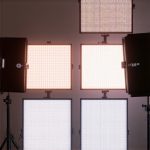
![3 LED Panel Light Shielding Hacks to Fix 16K Tint Shift [2026]](https://lights.creatorrigreviews.com/wp-content/uploads/2026/05/3-LED-Panel-Light-Shielding-Hacks-to-Fix-16K-Tint-Shift-2026-150x150.jpeg)
4 responses to “Effective Key & Fill Light Techniques with LED Panel & RGB Tube Lights 2024”