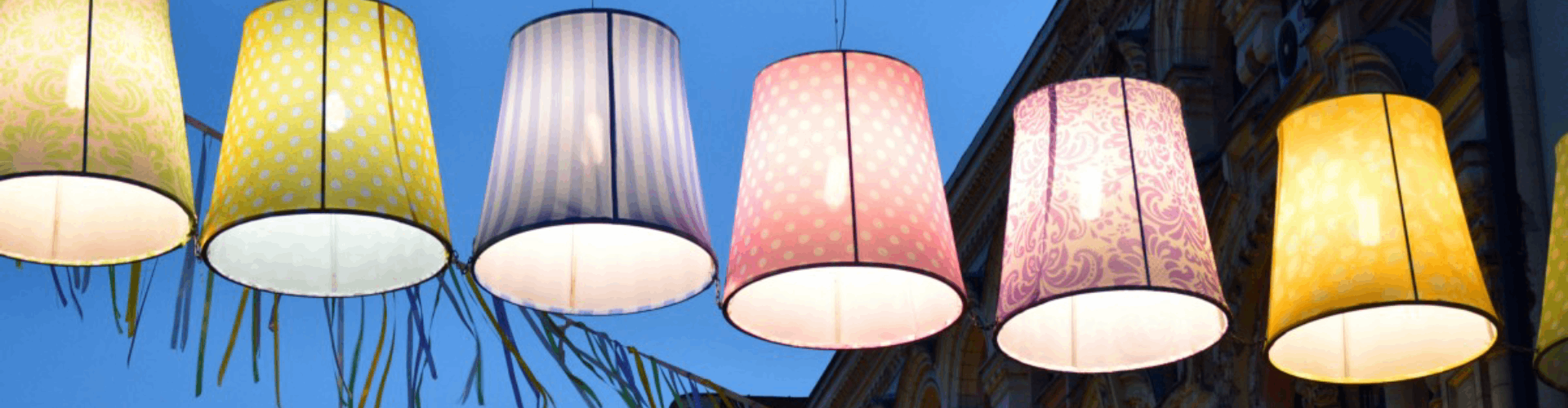
![5 RGB Tube Light Layering Tactics for Pro 3D Depth [2026]](https://lights.creatorrigreviews.com/wp-content/uploads/2026/04/5-RGB-Tube-Light-Layering-Tactics-for-Pro-3D-Depth-2026.jpeg)
Many times, I’ve stood in my studio, frustrated, staring at a shot that just wouldn’t come alive—despite having the latest LED panels and professional softboxes. The lighting felt flat, lifeless, and frankly, kind of cheap-looking. It was then I had my lightbulb moment: getting pro 3D depth isn’t just about the quality of your lights, but how you layer them. I realized that even the most sophisticated tools, like RGB tube lights, require a nuanced approach. Early on, I made the mistake of relying on a single-layer setup, which left my scenes looking flat and uninspired. Since then, I’ve experimented with multiple layering strategies, and trust me, the result is a dramatic increase in depth and realism. Today, I want to share those insights with you, so you can elevate your 2026 productions without burning out or wasting your budget.
Why Proper Light Layering Transforms Your 3D Scene
In my experience, building depth in 3D is about more than just positioning lights—it’s about creating a sense of dimension that draws viewers into the scene. Proper layering of RGB tube lights, complemented by softboxes, key lights, and fill lights, allows you to sculpt your scene cinematically. This isn’t just a gimmick; studies show that strategic lighting increases viewer engagement and emotional impact (Source: CreatorRigReviews). It’s like painting with light—you have to build the layers thoughtfully to achieve that rich 3D effect. Today, I’ll guide you through five effective layering tactics specifically suited for the versatile and dynamic use of RGB tube lights in 2026 studios. But, before diving into the tactics, I want to ask—have you ever faced that frustrating flatness in your videos or photos that just wouldn’t go away, no matter your equipment? If so, stick around. These strategies will reframe how you think about light, and the results will speak for themselves.
Overcoming the Doubts: Is Layering Really Worth the Extra Effort?
Initially, I hesitated—thinking layering might overcomplicate my setup or slow down my shoot schedule. Early mistakes included placing lights without considering their interaction, leading to unwanted shadows or flicker, especially with RGB tube lights that need specific frequency settings to avoid flickering (see this guide). But once I understood the importance of deliberate layering, everything changed. Now, my scenes have depth, dimension, and a professional polish that makes all the difference. The payoff? Faster shoots, better results, and a lot more confidence in my lighting design. If you’re skeptical, I get it—lighting can seem complicated. But trust me, with the right approach, layering isn’t just worth it; it’s essential for pro-level 3D depth in 2026.
Start with a Solid Base: Position Your Key Light
Place your key light at a 45-degree angle to your subject, mimicking natural sunlight. Use a softbox to diffuse the light, creating a gentle, wrapping glow that defines the jawline and cheekbones. Remember, the key light sets the mood—so adjust intensity carefully to avoid harsh shadows. During a recent shoot, I initially used a bare LED panel, which created unflattering stark shadows. Swapping it for a softbox transformed the look, enhancing depth without increasing power. For more on diffusion techniques, check out these softbox tips.
Build Depth with Fill Lights and Shadows
Use Fill Lights to Reduce Flatness
Position a fill light opposite your key, at about halving the key’s intensity. A small LED panel or an RGB tube light with adjustable color tints works well here. The goal is to soften shadows without eliminating contrast. I once placed a fill light too close, over-lightening the scene and flattening the image. When I increased distance to about 2 meters, the shadows remained soft but added dimension. For natural-looking fills, experiment with different distances and power ratios, like the 1:2 or 1:3 ratios discussed in fill light secrets.
Darken with Negative Fill for Contrast
In some cases, I use flags or black foam boards to block light from spilling into unwanted areas, creating deeper shadows that enhance 3D perception. For instance, blocking light from illuminating the sides of the nose in close-up shots prevents a flat look. This technique is like sculpting with shadow, adding visual depth that guides the viewer’s eye. Implementing flags during a recent product shoot sharply contrasted the subject from the background, making the object stand out vividly.
Layer with Additional RGB Tube Light Spots
Place small RGB tube lights behind or to the side to create subtle accents and separation. These light spots mimic reflections or rim lighting, giving a sense of depth and space. I often use hidden mounting tricks to position these lights precisely without cluttering the scene. During one shoot, a strategic RGB water reflection created with these lights made the scene appear more immersive—perfect for cinematic effects.
Incorporate Background Lighting for Context
Add a gentle background or accent light, such as an RGB tube set to a complementary color, to separate the subject from the scenery. Position it strategically to highlight textures or contours without overpowering the main lighting. On a recent setup, I used a distant RGB tube light with a soft diffusion to lend depth to the backdrop, making the scene pop visually. This layering technique ensures the subject occupies a tangible space within the scene, not just a floating figure against a flat background.
Fine-Tune Your Layers for Naturalism
Adjust each light’s intensity, color, and position methodically. Small tweaks can dramatically enhance the sense of space. During a shoot in a cramped studio, I balanced a dimmer on my LED panels with the RGB tube lights to prevent overexposure and maintain natural skin tones. Use tools like spectral analyzers or light meters if available to ensure consistent color temperature and luminance across layers.
By meticulously building up these layers—starting from the key, adding fills, accentuating with RGB spots, and background lighting—you craft a scene rich in depth and dimension. The key is to think of your lighting setup as a painter’s palette, blending multiple tones and shadows to create a lifelike, engaging visual experience. Practice, patience, and precise positioning are your best allies, turning flat scenes into cinematic masterworks.Many filmmakers and content creators assume that purchasing high-quality lighting equipment guarantees professional results. However, even seasoned professionals often overlook the nuanced behaviors of tools like softboxes, RGB tube lights, and LED panels. A common misconception is that these lights are plug-and-play solutions suited for all scenarios. In reality, each has its unique characteristics and requires specific handling to achieve optimal results.
For instance, many believe that softboxes inherently produce soft, flattering light without attention to diffusion quality or distance from the subject. But in my experience, the type of diffusion material and the placement relative to your subject dramatically impact the light’s softness and spread. Using cheap or worn-out diffusion can introduce harsh shadows or unwanted hotspots, which complicate post-production efforts. I recommend exploring advanced diffusion techniques and experimenting with distance adjustments, as detailed in this resource.
Similarly, there’s a myth that RGB tube lights are mainly for creative color effects. While they excel at dynamic hues, their true power lies in nuanced layering and temperature adjustments. Overreliance on their color-changing capabilities without understanding their spectral output can result in skewed skin tones or unnatural color casts. To avoid this, I advise balancing RGB effects with accurate white lighting and calibrating your settings carefully. Discover more about advanced RGB techniques in this article.
LED panels are often perceived as bright, energy-efficient workhorses that require minimal attention. However, many overlook their tendency to flicker at certain frequencies, especially when dimmed or used with incompatible dimmers. This flickering can cause headaches or banding in your footage, undermining your professionalism. Always verify your LED panel’s flicker-free mode or manually check the frequency settings with your camera’s flicker detection tools. For comprehensive guidance, see this troubleshooting guide.
Why is Light Placement More Critical Than You Think?
One advanced mistake involves neglecting the impact of subtle placement adjustments. Even a slight change in height, angle, or distance can dramatically alter the quality and character of the light, affecting shadows, contrast, and overall realism. For example, a key light positioned too high can flatten features, while too close can create unflattering hotspots. Integrate this understanding into your workflow by meticulously experimenting with angles, as outlined in key light positioning strategies. Remember, mastering light directionality is as crucial as selecting the right equipment.
Have you ever fallen into this trap? Let me know in the comments.
A crucial aspect of professional lighting is ensuring your equipment remains reliable and performs optimally over time. High-quality softboxes, RGB tube lights, LED panels, key lights, and fill lights all require scheduled maintenance to prevent unexpected failures and preserve their lifespan. Regularly inspecting power cords and connectors is essential—look for signs of wear or loose connections that might cause flickering or inconsistent brightness. For instance, I personally replace worn-out power adapters every 12 months, even if they seem functional, to avoid sudden outages during critical shoots. Keeping your diffusion materials like softbox baffles and diffusion fabrics clean and free of dust ensures consistent light quality—dust accumulation can soften or distort light, reducing your control over shadows and highlights. Using a gentle brush or compressed air can effectively maintain these components without damaging them.
Optimize Tools to Maximize Output and Longevity
Investing in smart tools can streamline your maintenance routines and improve your setup’s overall efficiency. For example, using a multimeter helps verify voltage levels and identify electrical issues early, preventing costly repairs. I also rely on software calibration tools compatible with LED panels to regularly check color temperature stability, avoiding shifts that could compromise color accuracy across shoots. Additionally, employing portable power banks or backup batteries ensures you won’t lose power unexpectedly, especially during outdoor or location shoots. Consider setting up a routine audit schedule—checking and calibrating every three to six months depending on usage intensity—to keep everything in prime condition. This proactive approach saves time in the long run and guarantees tube lights and panels deliver predictable results every session.
Envisioning Future Trends in Lighting Maintenance
As technology advances, smart lighting systems with integrated diagnostics are on the horizon—able to alert you via mobile apps about bulb lifespan, voltage irregularities, or filament burnout. Embracing IoT-enabled lights will simplify maintenance further, enabling remote troubleshooting and real-time health monitoring. I predict that in the coming years, our studios will benefit from self-correcting hardware that minimizes downtime and ensures consistent performance.
How do I keep my gear performing during long-term use?
Implementing a daily check for dust, corrosion, and loose connections is fundamental. Creating a maintenance log helps track usage patterns and identifies when components are due for replacement or recalibration. Also, avoid exposing equipment to extreme temperatures or humidity—climates that can degrade materials and electronics faster. Finally, establish a trusted service relationship with manufacturers or authorized repair centers; quick access to expert repairs ensures longevity and optimal functionality. To learn more about extending your gear’s lifespan, visit this contact page for tailored advice and support. Don’t overlook the importance of routine upkeep—try scheduling a monthly maintenance session with a detailed checklist to keep your lighting setup shining bright for years to come.
The Hardest Lesson I Learned About Softbox, RGB Tube Light, and LED Panel Mastery
One of my biggest realizations was that equipment alone doesn’t guarantee cinematic quality—it’s how you wield it. Relying solely on high-end gear like RGB tube lights without understanding their nuanced behaviors led me to flat images. Discovering that deliberate layering and precise positioning turn basic tools into magic makers was a game-changer. This lesson taught me patience and experimentation are vital ingredients for professional lighting.
What No One Tells You About the Art of Light Placement
Many beginners underestimate the power of subtle adjustments. Moving a key light just a few inches can dramatically reshape shadows and highlights, influencing the scene’s depth. I learned that intentional placement—like angling a fill light to soften specific shadows—can elevate the image from decent to stunning. This insight pushed me to approach lighting as a sculptor, shaping light to evoke emotion and dimension.
My Go-To Resources for Perfecting Studio Lighting
- Mastering Softbox Lighting Tips: This guide deepened my understanding of diffusion and positioning, helping me create natural, flattering light.
- How to Fix Flicker and Color Skew in RGB Tube Lights: A must-read to ensure your color accuracy remains flawless during shoots.
- Softbox Diffusion Tweaks for High-Contrast Content: Learning to fine-tune diffusion materials has saved me countless retakes and post-production hours.
- Creative Uses of RGB Tube Lights for Depth: Exploring effects like water reflections has opened new artistic avenues I hadn’t considered before.
Embrace Your Lighting Journey and Make Every Shot Count
Remember, mastering light layering isn’t about instant perfection—it’s about discovering what works for your unique space and style. The more you experiment with your softbox, RGB tube lights, LED panels, key, and fill lights, the more natural and cinematic your scenes will become. Take pride in each step of your learning process, knowing that these insights are building your confidence and artistry. The future of studio lighting is in your hands—so get inspired, keep experimenting, and watch your visuals come alive with depth and emotion.
What has been your biggest challenge in mastering lighting layering? Share your story below and let’s grow together!
,
![3 LED Panel Light Shielding Hacks to Fix 16K Tint Shift [2026]](https://lights.creatorrigreviews.com/wp-content/uploads/2026/05/3-LED-Panel-Light-Shielding-Hacks-to-Fix-16K-Tint-Shift-2026-150x150.jpeg)

One response to “5 RGB Tube Light Layering Tactics for Pro 3D Depth [2026]”